 FIELD
FIELD The acid test: identifying carbonate minerals
A single drop of dilute acid on a stone that suddenly fizzes and foams is one of the oldest and most satisfying tricks in field geology — and it names a whole family of minerals on the spot.
The acid test is a simple chemical check that separates the carbonate minerals — calcite, dolomite, aragonite and their relatives — from everything else on the ground. Put a drop of dilute hydrochloric acid on a carbonate and it fizzes, releasing carbon dioxide as a froth of tiny bubbles; put the same drop on quartz, feldspar or most silicates and nothing happens at all. Because that reaction is chemical rather than visual, it does not care about colour, weathering or luster, which makes it one of the most decisive tests a rockhound can carry, and the difference between a brisk fizz and a stubborn silence often settles an identification in seconds.
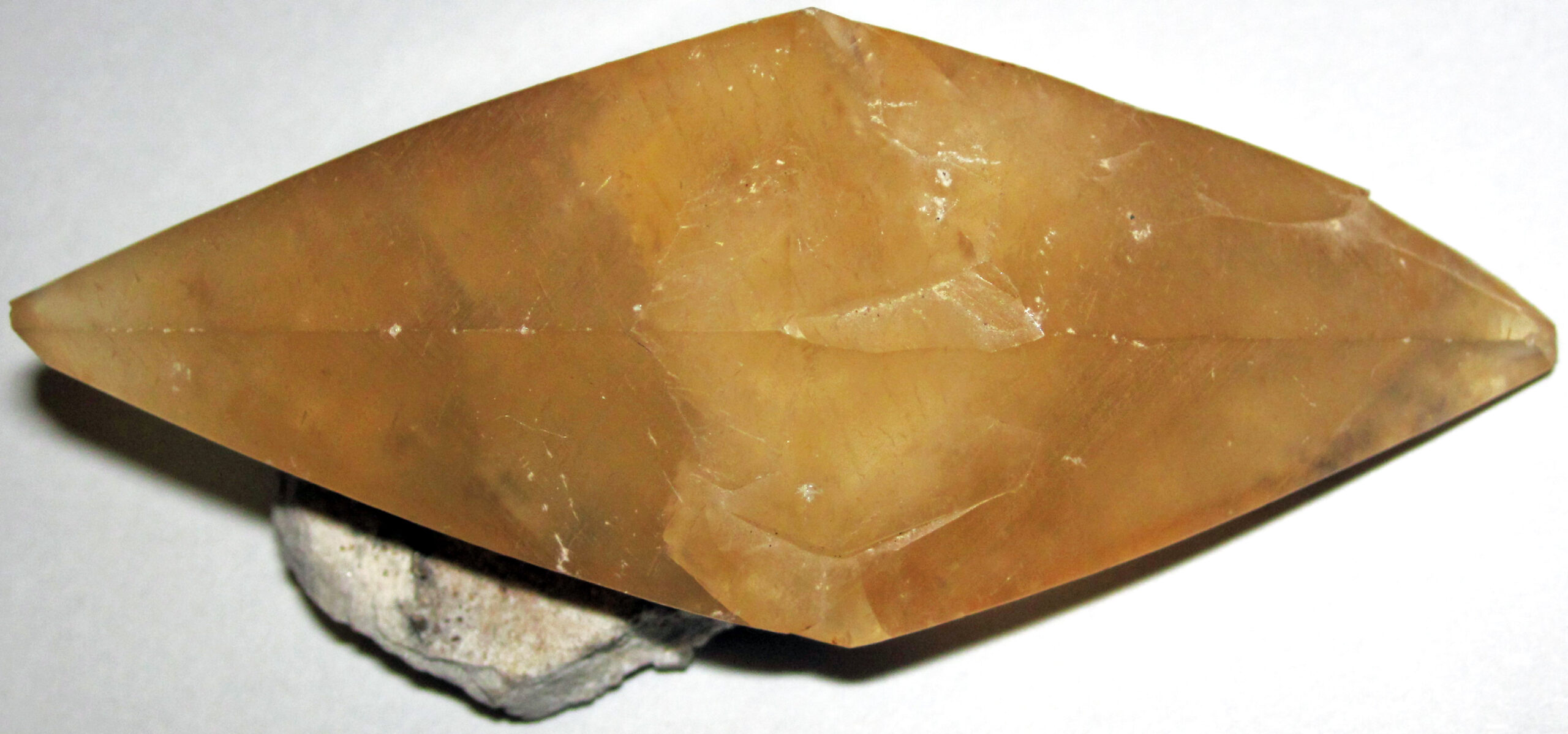
Why carbonates fizz
The reaction behind the test is straightforward chemistry. Carbonate minerals contain the carbonate ion, and when acid meets them the acid frees that ion as carbon dioxide gas — the bubbles you see are that gas escaping. In calcite the reaction is calcium carbonate plus hydrochloric acid giving calcium chloride, water and carbon dioxide, and the froth is vigorous and immediate. The same chemistry drives limestone caves, the etching of marble by acid rain and the effervescence in your test drop; it is simply happening fast and in miniature. Minerals with no carbonate ion — the silicates that make up most of the Earth’s crust, along with oxides and sulfides — have nothing for the acid to react with, so they sit inert. That clean split between fizz and no fizz is exactly what makes the test so useful.
What fizzes, and how strongly
Not every carbonate reacts the same way, and the differences are themselves diagnostic. Calcite is the star: a drop of cold dilute acid on solid calcite fizzes hard and at once. Dolomite, its close cousin, is far more reluctant — a solid piece barely reacts, but scratch it to a powder first and the fresh surface fizzes slowly. That single difference is the classic way to tell limestone from dolostone in the field.
- Calcite — fizzes vigorously on a solid surface with cold dilute acid.
- Aragonite — same composition as calcite and fizzes just as readily.
- Limestone — a calcite rock, so it effervesces strongly all over.
- Marble — metamorphosed limestone, also a brisk fizzer.
- Dolomite — reacts only weakly, and mainly when powdered or scratched.
- Magnesite and siderite — very slow, often needing warm acid or a scratched surface.
- Malachite — a copper carbonate that fizzes and is worth knowing about.
Fizzes readily
- Calcite — brisk, instant
- Aragonite — brisk
- Limestone and marble
- Chalk — vigorous
Weak, slow or no reaction
- Dolomite — only when powdered
- Magnesite, siderite — sluggish
- Quartz, feldspar — none
- Most silicates — none
How to run the acid test safely
You need very little: a small dropper bottle of dilute hydrochloric acid, usually about ten percent, which geologists carry as standard. Put a single drop on a clean, fresh surface of the specimen and watch closely — a strong fizz is obvious, but a weak one shows only as a few slow bubbles, so a hand lens helps. If nothing happens on a solid face, scratch a little powder with a knife and drop acid on that: this is what coaxes a reaction out of dolomite and confirms a slow carbonate. Safety matters even with dilute acid: wear eye protection, keep it off skin and clothing, and store the bottle upright and well sealed. Test on an inconspicuous spot, because acid etches and dulls a polished or display surface permanently, and rinse the specimen with clean water afterward so no acid is left to keep working. Household white vinegar is a gentler, safer stand-in that will still fizz on calcite, though more slowly, and it is a fine option for testing at home or with younger rockhounds. Give a dirty specimen a quick clean first, since a mud coating can mask the reaction.
Calcite versus dolomite: the test that matters most
The single most valuable job the acid test does is telling limestone from dolostone, two rocks that can look identical in the field. Both are pale, fine-grained carbonate rocks, but limestone is built of calcite and dolostone of dolomite, and only the acid drop reliably tells them apart: limestone fizzes at once on a solid face, while dolostone stays quiet until you scratch it to powder, when it fizzes slowly. Geologists lean on this constantly, because the two rocks weather differently and host different landscapes and ore deposits. The same logic separates a calcite vein from a quartz vein — both can be white and glassy, but only the calcite reacts — and it is often the quickest way to confirm that a soft, pale, rhombohedral crystal really is calcite rather than a look-alike. Knowing whether you hold a single mineral or a rock made of several helps here too, a distinction set out in our guide to rock versus mineral.
Where the acid test fits with the other field tests
Like every good field test, the acid drop is strongest as part of a routine rather than on its own. Calcite is soft — only 3 on the Mohs hardness scale — so a mineral that a copper coin scratches and that fizzes in acid is calcite with near-certainty. Combine the acid test with a look at cleavage, where calcite’s perfect rhombohedral cleavage is a giveaway, a check of the streak, and a sense of specific gravity, and the carbonates fall into place quickly. It even pairs with the magnet test when you are sorting a mixed handful of grains — the magnetic ones lift out, the carbonates fizz, and the inert silicates are left behind.
Cautions and common mistakes
A few things trip people up. The biggest is expecting dolomite to behave like calcite: when a carbonate refuses to fizz on a solid face, do not rule out a carbonate until you have tried powdered material. Weathered surfaces can be coated in clay or a reaction rind that smothers the fizz, so always test a fresh break. Be careful with valuable or polished specimens, because even a single drop leaves a dull etched pit; test somewhere hidden or not at all. Do not confuse the froth of a genuine reaction with air bubbles trapped in a porous rock when you wet it — a real fizz keeps producing gas and hisses faintly, while trapped air simply sits. And treat even dilute acid with respect: keep it away from eyes and skin, and never store it near metal tools. Handled sensibly, the acid test is quick, cheap and decisive, and for anyone new to the hobby it belongs in the core kit described in how to start rockhounding.
Frequently asked questions
What is the acid test in geology?
The acid test is placing a drop of dilute hydrochloric acid on a mineral or rock to see whether it fizzes. Carbonate minerals such as calcite release carbon dioxide and effervesce, while silicates and most other minerals do not react, so the test quickly identifies carbonates.
Why does calcite fizz in acid?
Calcite is calcium carbonate, and acid frees its carbonate ion as carbon dioxide gas. The bubbles you see are that gas escaping. The full reaction produces calcium chloride, water and carbon dioxide, and on solid calcite it is fast and vigorous.
How do you tell calcite from dolomite?
Use the acid test. Calcite fizzes briskly on a solid surface with cold dilute acid, while dolomite barely reacts until it is scratched to a powder, when it fizzes slowly. That difference is the standard field method for separating limestone from dolostone.
What acid is used for the acid test?
Geologists use dilute hydrochloric acid, typically around ten percent, carried in a small dropper bottle. Household vinegar, a weak acetic acid, is a gentler alternative that still fizzes on calcite, though more slowly, and is safer for home use.
Is the acid test safe to do at home?
With sensible care, yes. Dilute acid should be kept off skin and eyes, used with eye protection, and rinsed off the specimen afterward. For a low-risk version, use white vinegar instead of hydrochloric acid — it is much milder and still reveals calcite.
Will the acid test damage my specimen?
It can. Acid etches and dulls carbonate surfaces, so a drop leaves a permanent pit on a polished or display piece. Always test an inconspicuous spot or a spare fragment, and rinse the specimen with water immediately afterward to stop the reaction.
Want calcite and carbonate specimens to test?
Sponsored — partner shop · Minerals Kingdom
The acid test works best alongside the rest of the field-test toolkit — the Mohs hardness scale, the streak test, mineral luster, cleavage and fracture, specific gravity and the magnet test. New to the hobby? Start with how to start rockhounding.
For more chemical clues beyond the fizz, see identifying minerals by flame colour and the role of taste and smell in the field.
Written by The Field & Stone Editors · Published by KEVALEX Group.