 FIELD
FIELD Rockhounding in Oregon
Thunder eggs, gem sunstone you can dig for free, mountains of obsidian and miles of agate beach — Oregon is, by common consent, one of the best rockhounding states in America, with an unusual number of sites open to the public.
Oregon is volcanic from end to end, and that’s the secret to its rockhounding. Ancient rhyolite ash beds grew agate-filled thunder eggs; basalt flows seeded gem sunstone; obsidian poured out by the hillside; and rivers and the Pacific spread agate, jasper and petrified wood far and wide. Best of all, a lot of it sits on BLM and fee-dig ground anyone can visit.
The geology behind the finds
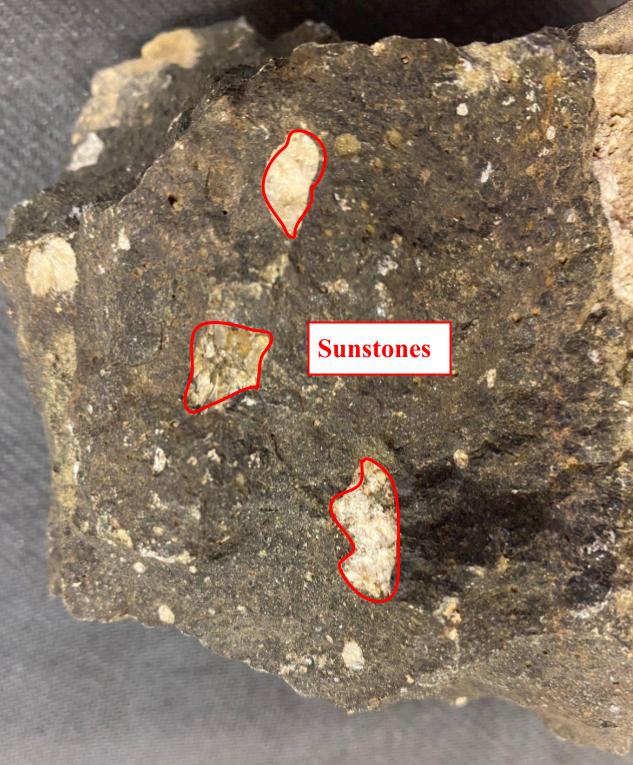
Two volcanic settings do most of the work. In the High Lava Plains and central Oregon, gas cavities in rhyolite filled with silica to form thunder eggs — drab nodules that open to reveal agate, jasper or opal. In the basalt country of Lake County, slow-cooling lava grew large feldspar crystals that weather out as gem sunstone, some carrying microscopic copper that gives the famous schiller shimmer. Add obsidian flows, fossil forests and an agate-rich coast, and Oregon offers something for every kind of collector.
What you’ll find
Classic Oregon material
- Thunder eggs — agate/jasper-filled nodules (state rock)
- Sunstone — gem feldspar, often copper-schiller
- Obsidian — black, mahogany, rainbow, snowflake
- Agate, jasper & petrified wood — coast & high desert
- Fire opal — Opal Butte
Before you go
- The BLM sunstone area near Plush has a free public collecting zone.
- Many famous beds (e.g. Richardson’s) are fee digs on private ranches.
- Coastal agate: collect on public beach, personal use.
- Read ethics & law first.
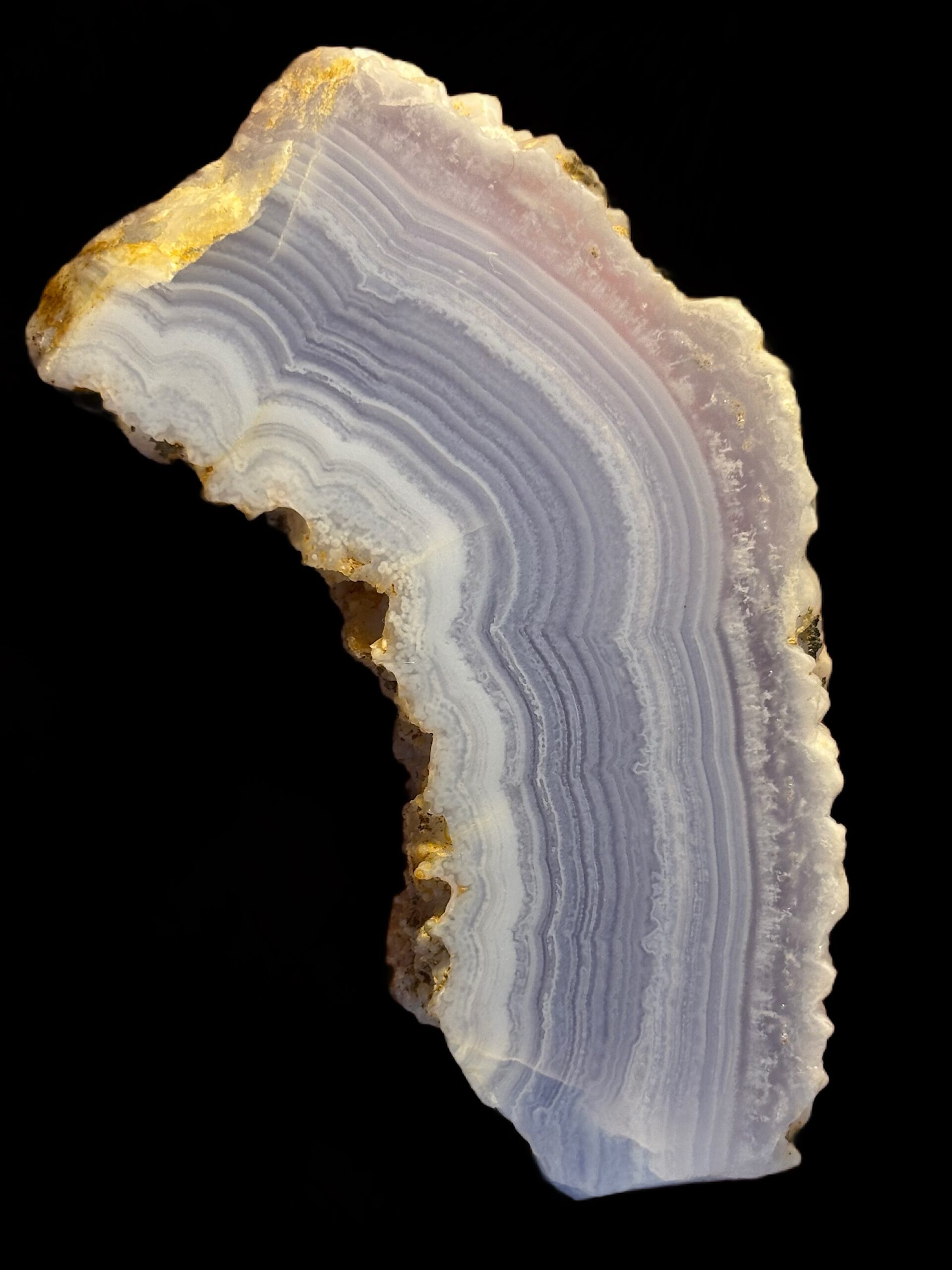
Thunder eggs are the quintessential Oregon find — you crack or saw them to reveal the agate inside, and no two are alike. Sunstone ranges from water-clear through champagne and salmon to deep red and green, with the coppery schiller stones the most prized. Obsidian comes in a remarkable range, from glassy black to banded “rainbow” and “snowflake,” and the coast quietly delivers agate, jasper and the occasional fossil after every winter storm.
Where to go, region by region
Central Oregon high desert
The Madras / Prineville area is the heart of thunder-egg and agate country, with several long-running fee-dig ranches and public BLM ground nearby. Glass Butte is a renowned obsidian collecting area where you can pick rainbow and mahogany glass right off the ground.
Sunstone country (Lake County)
The public BLM sunstone area near Plush lets anyone dig gem sunstone for free within personal-use limits — see our field card on the Plush sunstone public collecting area. Adjacent private mines (fee dig) offer richer ground and the best red and schiller material.
The coast
Beaches around Newport and the central coast yield agate and jasper, best in winter after storms and on low tides — a relaxed, no-tools hunt.
Eastern Oregon
The east holds petrified wood across the high desert and, at Opal Butte, fire and contra-luz opal from a private fee operation.
When to go
Most of Oregon’s high-desert and mountain sites are April to October affairs — winter brings snow and impassable roads to places like Glass Butte and Plush. The coast is the exception: agate hunting there peaks in winter, when storms churn fresh gravel onto the beaches and the lowest tides expose the most ground.
Gear & field tips
- For thunder eggs and geode beds: a rock pick, shovel and screen.
- For sunstone: a screen and a shovel for the dig piles, plus a keen eye for flash on the surface in low-angle light.
- For the coast: just a bag and good timing on a falling tide.
- The high desert is remote — carry water, fuel and a spare tire.
Rules & access
Oregon is generous to rockhounds: large areas of BLM land allow reasonable personal-use collecting, and the Plush sunstone area is explicitly set aside for the public. But many of the best-known beds are private fee digs, and national-park and monument land is off-limits. Always confirm the status of your specific site and read our guide to collecting ethics & the law.
Clubs & shows
Oregon’s club scene is strong, and many clubs run public rock & gem shows each year. A club field trip is the easiest way to access the best private ground — browse our clubs directory to find one near your route.
Skip the dig — start with finished thunder-egg agate.
Sponsored — partner shop · Minerals KingdomFrequently asked questions
Can I really dig Oregon sunstone for free?
Yes — the BLM maintains a free public collecting area near Plush, where you can surface-hunt or dig and keep gem sunstone within personal-use limits. Nearby private mines offer richer ground for a fee.
What is a thunder egg?
An unassuming volcanic nodule that, when cut, reveals agate, jasper or opal inside. Oregon made it the state rock; central Oregon’s fee-dig ranches are the classic place to collect them.
When is the best time to hunt the coast?
Winter. Storms expose fresh agate gravel and the season’s lowest tides uncover the most beach.
Informational only — confirm access and the law with the managing agency before collecting. Written by The Field & Stone Editors · Published by KEVALEX Group.