 FIELD
FIELD Taste and smell tests in mineral identification
A few minerals give themselves away the moment you taste or smell them — salt is salty, clay smells of rain, and a struck sulphide reeks of rotten eggs. Used with care, your nose and tongue are legitimate field instruments.
Most mineral tests rely on sight and touch, but two of the oldest — taste and smell — use senses geologists have quietly trusted for centuries. A handful of minerals have such distinctive flavours or odours that a single, careful test can separate look-alikes that no amount of staring will resolve: salty halite from bitter sylvite, or plain limestone from a fetid “stinkstone.” These tests are narrow and demand real caution — some minerals are toxic and must never be tasted — but where they apply they are fast and decisive. This guide covers what taste and smell can tell you, exactly which minerals respond, and how to use both senses safely alongside hardness, streak and the acid test.
The taste test: a narrow but powerful tool
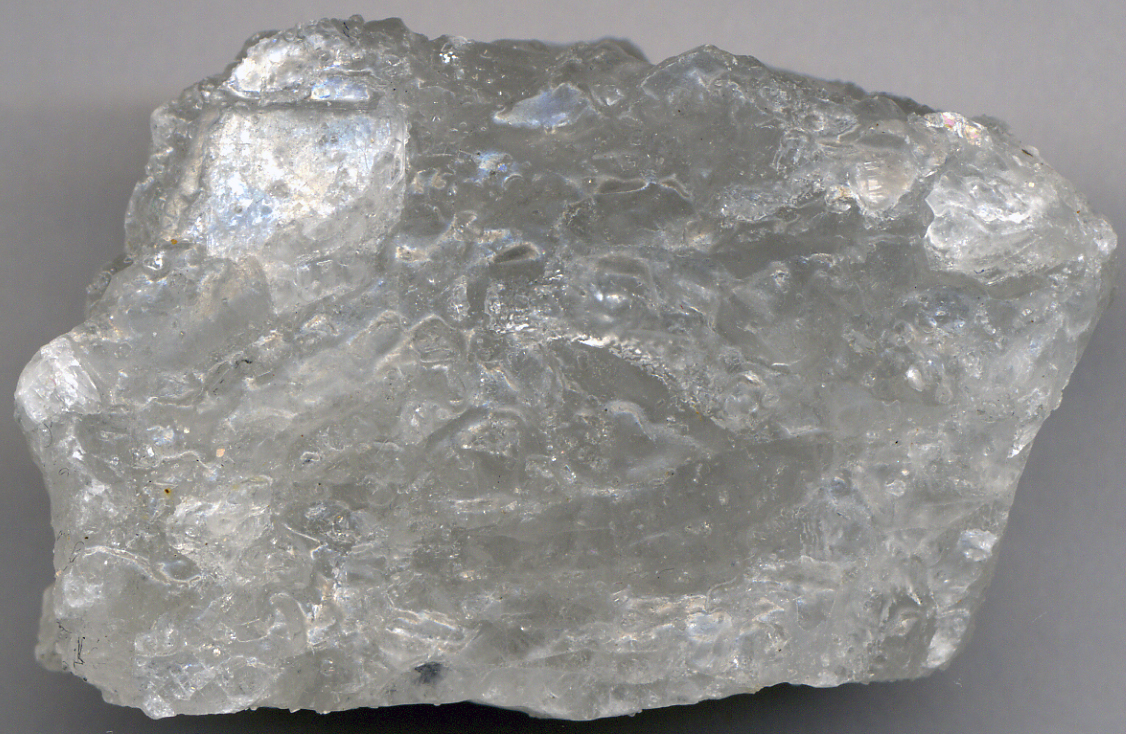
Taste works only for minerals that are water-soluble enough to dissolve on a moist tongue, which is a small group — mostly the salts. Within that group it is remarkably good, because the human tongue distinguishes salty, bitter and sour with real sensitivity. The textbook case is telling halite (sodium chloride) from sylvite (potassium chloride): both are soft, cubic, glassy and can look identical, but halite is cleanly salty while sylvite is sharper and distinctly bitter. A few other evaporite and sulphate minerals have their own flavours — some borates taste faintly sweetish or alkaline, and epsomite (a magnesium sulphate) is bitter — but salt versus bitter-salt is the test you will actually use.
The safe way to do it is never to lick a specimen. Instead, touch a clean, wet fingertip to a fresh, clean surface, then touch your finger to the tip of your tongue. That gives you the flavour without dragging your mouth across a dirty, possibly contaminated rock, and it keeps the specimen intact.
The smell test: odour on a fresh or struck surface
Smell is safer than taste and applies to a slightly wider set of minerals and rocks, though the odour usually appears only when a surface is fresh, wetted, struck or warmed — a mineral sitting quietly on a shelf rarely smells of anything. Three odours are worth learning because each points somewhere useful.
Odours to know
- Earthy / “rain” → clay minerals (kaolinite, shale) when breathed on
- Rotten eggs (H₂S) → some sulphides and “fetid” limestone when struck
- Garlic → arsenic minerals such as arsenopyrite when struck or heated
- Burnt matches (SO₂) → sulphur and sulphides when heated
How to release it
- Breathe on it — warm, damp breath brings out the clay smell
- Wet it — a drop of water on clay gives the same earthy note
- Strike or rub — friction frees H₂S or the garlic arsenic odour
- Waft, don’t inhale — fan the smell toward you gently
The argillaceous (earthy) odour is the friendly one: breathe on a lump of dry clay or shale, or add a drop of water, and it releases the familiar smell of rain on dry ground. It is a quick way to confirm a rock is clay-rich rather than a fine-grained silicate that merely looks similar. The rotten-egg smell of hydrogen sulphide comes from certain sulphides and from “stinkstone,” a bituminous limestone that reeks when freshly broken. And the garlic odour of arsenic minerals such as arsenopyrite, released when they are struck or heated, is a long-standing warning sign as much as an identification clue.
Why these tests still matter
They matter because they read chemistry your eyes cannot. Halite and sylvite are a genuine field problem — same softness, same cubic habit, same glassy look — and taste resolves them instantly where sight fails. A limestone that smells fetid when hammered is telling you about trapped organic matter and sulphur that no photograph would reveal. And an unexpected garlic smell while trimming a specimen is a real-time safety cue that you may be handling arsenic. Like every other single test, they belong in a chain of evidence rather than standing alone, but they add information the visual clues simply do not carry.
Cautions and good practice
Treat both senses as careful, deliberate tests, not habits. For taste, the rule is simple: known harmless salts only, via a wet fingertip, never a lick, and never an unknown. For smell, remember that several of the diagnostic odours — hydrogen sulphide, sulphur dioxide, arsenic fumes — mark toxic gases, so waft a little of the air toward you rather than putting your nose to the rock and inhaling. Wash your hands after handling specimens, especially before eating, because many minerals carry metals you do not want to ingest. And as always, confirm whatever taste or smell suggests with the physical tests: hardness, streak, colour and habit, plus the acid test for carbonates.
Frequently asked questions
Is it safe to taste minerals?
Only minerals you are already confident are harmless salts, such as halite or sylvite, and even then by touching a wet fingertip to a fresh surface and then to your tongue — never by licking the rock. Many minerals contain toxic metals like lead, copper or arsenic and must never be tasted, so identify unknowns by other means.
How do you tell halite from sylvite?
Taste is the classic test. Both are soft, cubic and glassy and can look identical, but halite (sodium chloride) tastes cleanly salty while sylvite (potassium chloride) tastes sharper and distinctly bitter. Use a clean, wet fingertip rather than licking the specimen.
Why does clay smell earthy when you breathe on it?
Warm, damp breath on clay minerals such as kaolinite releases the familiar “rain on dry ground” smell, an odour known as argillaceous. Wetting the clay with a drop of water does the same. It is a quick way to confirm a rock is clay-rich rather than a look-alike silicate.
What mineral smells like rotten eggs?
The rotten-egg smell is hydrogen sulphide, released by some sulphide minerals and by “stinkstone,” a bituminous limestone that reeks when freshly broken. Because the gas is toxic in quantity, waft the smell gently toward you rather than inhaling deeply.
What does a garlic smell from a rock mean?
A garlic odour when a mineral is struck or heated points to arsenic, typically from arsenopyrite. It is both an identification clue and a safety warning: arsenic fumes are poisonous, so handle the specimen carefully and avoid breathing the smoke.
Can taste and smell identify a mineral by themselves?
Rarely. They apply only to a small set of minerals and are best used to separate specific look-alikes or flag chemistry. Combine any result with hardness, streak, colour, crystal habit and the acid test to reach a confident identification.
Want safe, labelled specimens to learn on?
Sponsored — partner shop · Minerals Kingdom
Taste and smell are two clues among many — lean on the rest to confirm. Separate soft salts from harder look-alikes with hardness, check a powder’s colour with the streak test, and confirm a carbonate with the acid test. A hand lens helps you read the surface you are about to test.
Written by The Field & Stone Editors · Published by KEVALEX Group.