 FIELD
FIELD Pseudomorphs: when one mineral takes the shape of another
Some specimens are geological forgeries. The outward form says one mineral; the substance inside is something else entirely. Learning to read these « false forms » turns a confusing specimen into a story you can tell.
Pseudomorphs are minerals that keep the outward crystal shape of a different mineral that came before them. The name means « false form », and that is exactly what you are holding: a cube, a prism or a fibre with the geometry of one species but the chemistry of another. It happens because a mineral can be replaced, altered or cast while its original outline is preserved, so the shell survives long after the substance has changed. Recognising a pseudomorph matters because the shape will lie to you — a « pyrite cube » that is soft and brown is not pyrite at all — and because the false form records a real chemical history. This guide explains how pseudomorphs form, the classic examples to know, and how to catch one in the field.
What a pseudomorph is
A pseudomorph is written « mineral A after mineral B » — for example, goethite after pyrite or malachite after azurite. Mineral B set the shape; mineral A is what the specimen is made of now. Crucially, only the external form is inherited: the internal atomic structure belongs entirely to the new mineral, so a pseudomorph often has the wrong hardness, the wrong cleavage and the wrong luster for the shape it wears. This is the opposite situation to twinning, where the shape and the substance agree; here the shape is a relic and the substance has moved on. Because the outline is genuinely that of the earlier mineral, a well-formed pseudomorph is one of the most instructive things a collector can own.
The main ways pseudomorphs form
Several distinct processes produce a false form, and the mechanism often shows in the detail.
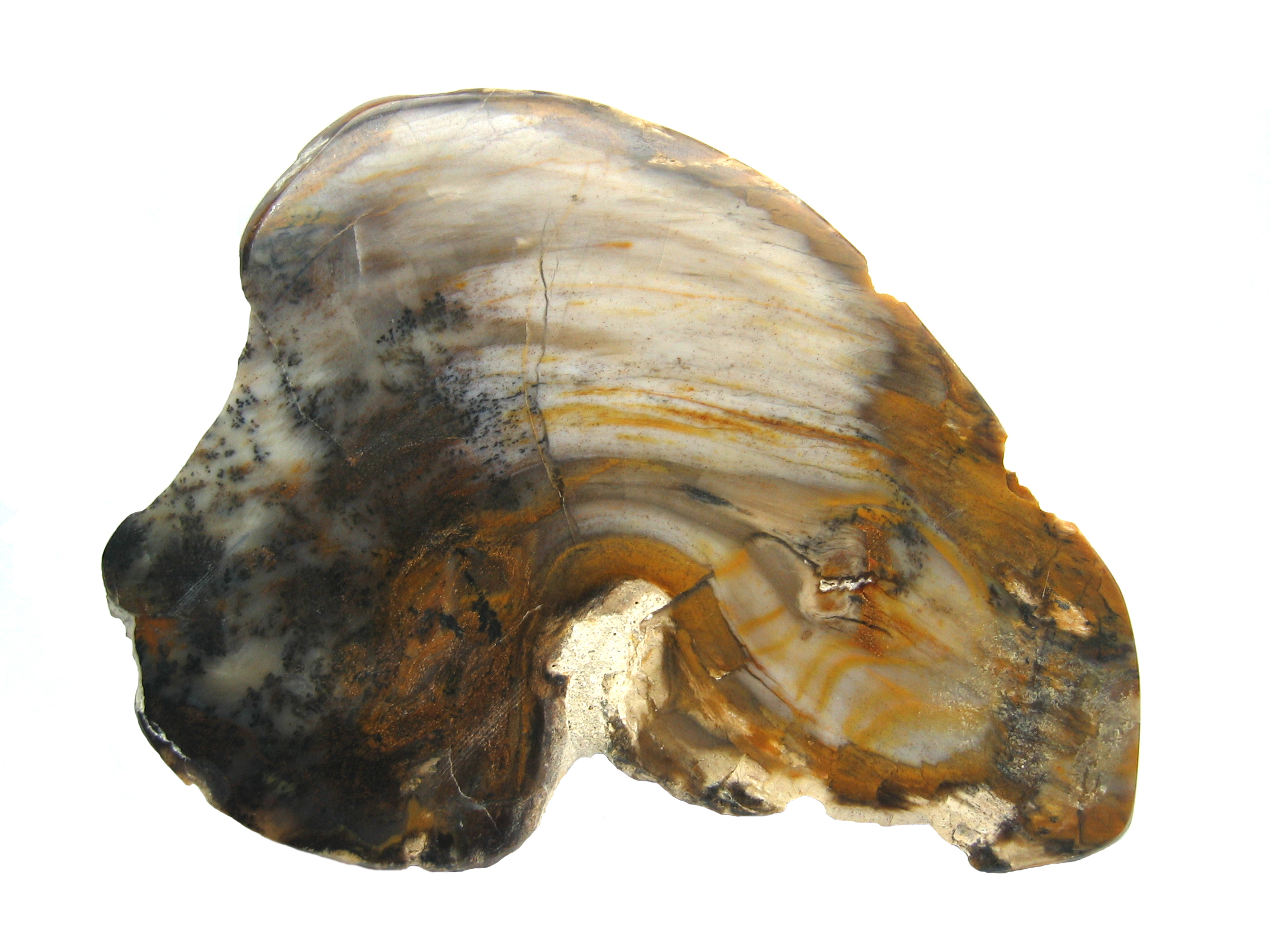
- Replacement (substitution) — the original is dissolved away and a new mineral is deposited in its place, atom for atom, keeping the outline. Silica replacing wood to make petrified wood is the textbook case.
- Alteration (chemical change) — the original mineral reacts and partly recrystallises into a related one without losing its shape, as when azurite alters to malachite or anhydrite takes up water to become gypsum.
- Encrustation — a second mineral coats the first as a crust; the original later dissolves, leaving a hollow shell with the earlier crystal’s shape on its inner surface.
- Infilling and casts — the original crystal dissolves and leaves a mould in the rock, which is then filled by a different mineral, producing a solid cast in the borrowed shape.
Classic pseudomorphs
- Petrified wood — silica after wood
- Tiger’s eye — quartz after crocidolite
- Goethite / limonite after pyrite
- Malachite after azurite
- Chalcedony after coral or shell
How they form
- Replacement — silica after wood
- Alteration — azurite to malachite
- Encrustation — hollow crystal shells
- Cast & mould — infilled cavities
- Paramorph — same chemistry, new structure
How to recognise a pseudomorph in the field
The trick is to notice when the shape and the properties disagree. Test the specimen the way you would any mineral: check hardness, look at luster, try the streak. If you have a « cube » with the shining brassy shape of pyrite but it is soft, dull and leaves a yellow-brown streak, you are holding limonite after pyrite, not pyrite. Look, too, for a shape that a given mineral simply cannot make on its own — quartz does not grow in the fibrous, silky bands of tiger’s eye, so that form is inherited from asbestos crocidolite. Preserved organic texture is another giveaway: grain, growth rings and cell walls in petrified wood, or coral structure in agatised coral, betray a replacement. A hollow shell with crystal faces on the inside points to encrustation. When shape and substance argue, trust the substance and suspect a pseudomorph.
Why pseudomorphs matter
Pseudomorphs are more than curiosities. For the collector they are a caution: shape alone is never proof of identity, which is why the field tests exist. For the geologist they are a record of changing conditions — a malachite-after-azurite specimen documents a shift in the water chemistry of an oxidising copper deposit, and petrified wood captures a moment when silica-rich water soaked a buried log. Some of the most prized lapidary materials are pseudomorphs: chalcedony after coral, the chatoyant bands of tiger’s eye, and much petrified wood. Understanding them also sharpens your reading of crystal habit, because it forces you to ask not just what shape a crystal has, but whether that shape truly belongs to the mineral in front of you.
Cautions and common mistakes
The first mistake is to trust the shape. A great many misidentifications come from naming a specimen by its outline — « it’s a pyrite cube » — without testing it. Always confirm with hardness, streak and luster. A second pitfall is confusing a pseudomorph with a paramorph: a paramorph keeps the same chemistry but changes internal structure (aragonite converting to calcite, both calcium carbonate), whereas a true pseudomorph changes the substance itself. Do not confuse either with a mineral cast in a fossil sense, though the ideas overlap. Beware also of partial pseudomorphs, where replacement is incomplete and the specimen is a mixture — the reading can be genuinely ambiguous, and that is fine to say. Finally, remember that a coating is not a pseudomorph: a thin film of one mineral on another is just a coating unless the original shape has actually been taken over. When the shape and the tests conflict, slow down and let the tests win.
Frequently asked questions
What is a pseudomorph?
A pseudomorph is a mineral that keeps the external crystal shape of a different mineral that formed earlier. The name means « false form ». It is written « mineral A after mineral B », where B set the shape and A is what the specimen is made of now.
Is petrified wood a pseudomorph?
Yes. Petrified wood is a replacement pseudomorph in which silica (usually chalcedony or opal) gradually takes the place of the original wood while preserving its grain, rings and cell structure, so the form is that of wood but the substance is quartz.
How do pseudomorphs form?
By four main routes: replacement, where a new mineral is deposited as the old one dissolves; alteration, where the original chemically changes into a related mineral; encrustation, where a crust preserves the shape after the core dissolves; and infilling of a mould left by a dissolved crystal.
What is the difference between a pseudomorph and a paramorph?
A pseudomorph changes the substance while keeping the shape, so the chemistry differs from the original. A paramorph keeps the same chemistry but changes its internal crystal structure, such as aragonite converting to calcite; both are calcium carbonate.
How can I tell if a specimen is a pseudomorph?
Test it. If the hardness, luster, streak or cleavage disagree with the mineral the shape suggests, or if the shape is one that mineral cannot make, you probably have a pseudomorph. Preserved organic texture or a hollow crystal shell are further clues.
Is tiger’s eye a pseudomorph?
Yes. Tiger’s eye is quartz after crocidolite: silica replaces fibrous blue asbestos while preserving the parallel fibre structure, which is what produces its silky, chatoyant band of light.
Want a pseudomorph for your collection?
Sponsored — partner shop · Minerals Kingdom
Pseudomorphs are one more reason to test rather than trust the shape — like crystal habit, twinning and the seven crystal systems, they are about reading form correctly. You can pick up replacement pseudomorphs yourself as petrified wood. New to the hobby? Start with how to start rockhounding.
Written by The Field & Stone Editors · Published by KEVALEX Group.