 FIELD
Just west of Ely in White Pine County, Garnet Hill Recreation Area is one of Nevada’s most accessible free rockhounding sites. On BLM land managed by the Ely District, anyone can hunt small, dark-red almandine garnets that weathered out of the hill’s rhyolite — no fee, no permit for hobby collecting. The garnets are modest in size, but the setting is easy to reach and genuinely productive if you know how to look.
The geology behind the garnets
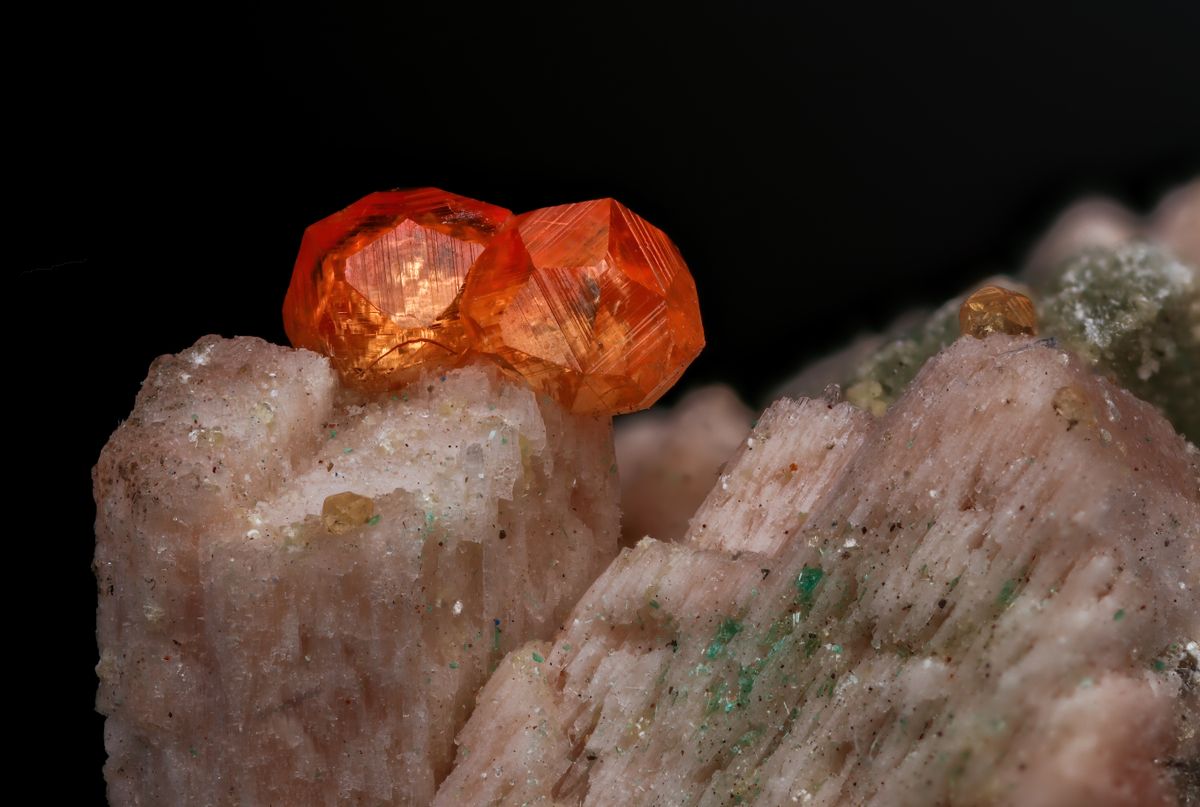
Garnet Hill is the eroded remnant of an ancient volcanic center that was active roughly 30–40 million years ago. As the rhyolite — a fine-grained volcanic equivalent of granite — cooled, gas escaping from the magma left small cavities, and almandine garnets crystallized in and around those pockets. Almandine is the iron-rich garnet (see how to identify garnet), which gives these crystals their deep red to brownish-red and orange-red color. As the soft rhyolite weathers, the tougher garnets are freed and wash downslope.
What you’ll find
The garnets
- Almandine — iron-rich, deep red to reddish-brown
- Typically small: grains up to about ¼ inch
- Loose in the soil and washes, or set in rhyolite float
- Best as natural specimens; most are too small or fractured to facet
Access & the law
- BLM public land — free collecting for personal use.
- The only designated rockhounding area in the BLM Ely District.
- Observe reasonable hobby limits; no commercial digging or claims.
- Rules and limits can change — verify current BLM regulations before you go.
How to collect
There are two productive approaches. The easier one is to surface-hunt the washes and gullies, where loose garnets collect in the fine gravel; many are visible on the ground and need no digging at all. The second is to break weathered rhyolite float with a rock hammer to free crystals still locked in the matrix. A shovel, rock hammer, gloves, and a screen or sieve help you work the drainages efficiently. Collectors often single out the southwest side of the hill as a rewarding area, but garnets turn up across the site — patience and a low, careful scan of the ground matter more than any one spot.
Be realistic about what you’ll get
Garnet Hill is a fun, family-friendly hunt rather than a gem-mining bonanza. Most finds are small — grain- to pea-sized — and many are fractured or included, so they make good natural specimens and pocket keepsakes rather than cut stones. Bring the mindset of a treasure hunt: the reward is spotting the dark-red flash in the gravel and filling a small vial or box, not leaving with faceting rough. That honest expectation is what makes the trip satisfying.
Come prepared
Garnet Hill sits at high elevation in cold-winter, hot-summer desert country, reached by a graded dirt road off the highway west of Ely. The road is usually passable but can be rough or muddy after weather, so a high-clearance vehicle is advisable and essential if conditions turn. There are no services on site — bring your own water, food, sun protection, and fuel, and carry a spare and basic recovery gear. Cell coverage is unreliable; tell someone your plan. There is a developed picnic and recreation area nearby, which makes it a comfortable base for a day trip.
Getting there
The site is roughly 6 miles west of Ely, reached from US Highway 50 and a signed BLM turnoff onto a maintained dirt road. Ely is the last real town for fuel, water and supplies, so top up before you head out. Exact directions and road conditions are worth confirming with the BLM Ely District before the drive.
When to go
Spring and fall are ideal, with mild temperatures and better odds that recent rain or snowmelt has exposed fresh garnets in the washes. Summer brings intense high-desert heat and winter can bring snow and mud to the access road. Go early, carry plenty of water, and avoid the dirt road right after storms.
Plan your trip
Pair this with the wider Nevada rockhounding guide and the state’s famous Virgin Valley opal mines, and read collecting ethics & the law before you go.
Frequently asked questions
Is collecting at Garnet Hill free?
Yes — Garnet Hill is on BLM public land and is open at no charge for hobby collecting of garnets for personal use. There is no commercial digging. Because agency rules and limits can change, confirm the current regulations with the BLM Ely District before your visit.
What kind of garnets are they?
They are almandine, the iron-rich red garnet that weathered out of the hill’s rhyolite. Colors run deep red to reddish-brown and orange-red.
How big are the garnets?
Small. Most range from tiny grains up to about a quarter-inch, and many are fractured, so they are best kept as natural specimens rather than cut as gems.
How do I actually find them?
Search the low spots, gullies and drainages where the heavier garnets collect — many sit loose on the surface — or break weathered rhyolite float to free crystals from the rock. Looking after rain or snowmelt improves your odds.
Do I need a special vehicle?
The access road is graded dirt and usually passable, but a high-clearance vehicle is advisable and important if it is wet or rough. There are no services, so prepare as for a remote desert outing.
Prefer to buy a garnet specimen?
Sponsored — partner shop · Minerals Kingdom
Written by The Field & Stone Editors. Informational only — confirm public-land rules, limits and road conditions with the BLM before collecting. Published by KEVALEX Group.