 FIELD
FIELD Rockhounding in Nevada
Black fire opal you can dig yourself, classic Western turquoise, obsidian and variscite — Nevada’s high desert is one of the most rewarding (and underrated) rockhounding states in the country.
Nevada is the Great Basin — range after range of faulted, volcanic desert — and that geology made it a treasure house. Ancient hot springs and volcanic ash beds grew spectacular opal; copper and hydrothermal systems left turquoise and variscite; and rhyolite flows produced obsidian. Best of all, several of the great opal localities are fee digs where you keep what you find.
The geology behind the finds
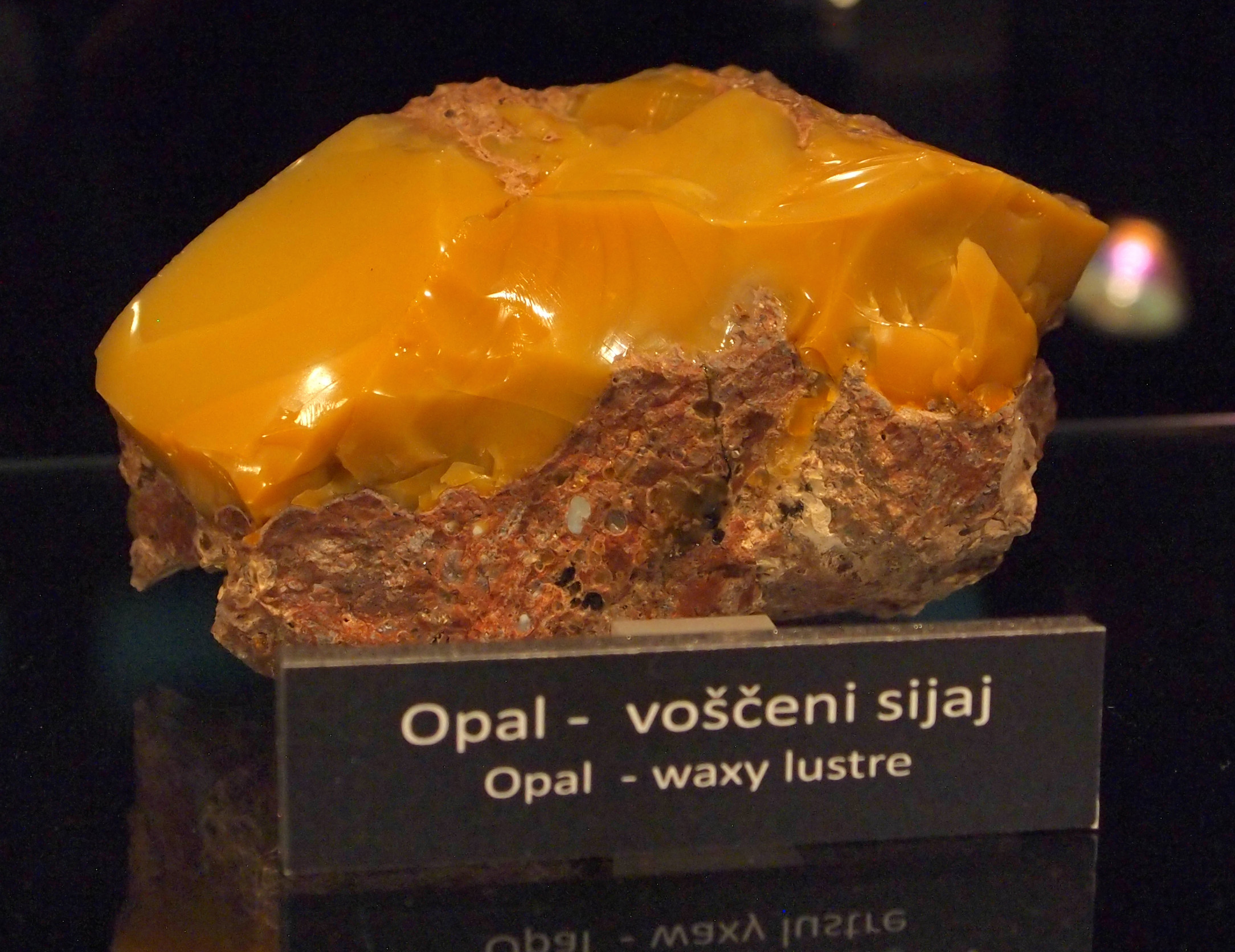
In the far north, the Virgin Valley sits on volcanic ash beds where silica-rich water replaced buried wood and filled cavities to create some of the world’s most prized black and fire opal. Across central Nevada, copper and hydrothermal alteration produced the blue-green turquoise and variscite that made “Nevada turquoise” a name, while rhyolite eruptions left obsidian and “Apache tears.” The state’s Mesozoic seas even left marine reptiles — the ichthyosaur is the state fossil.
What you’ll find
Classic Nevada material
- Black & fire opal — Virgin Valley (fee dig)
- Turquoise & variscite
- Obsidian & Apache tears
- Agate, jasper, petrified wood
Before you go
- Virgin Valley has fee-dig opal mines (e.g. Royal Peacock, Rainbow Ridge, Bonanza).
- Opal can craze (crack) as it dries — store it in water and ask the mine about stability.
- Much BLM ground allows personal-use collecting; know claim status.
- Read ethics & law first.
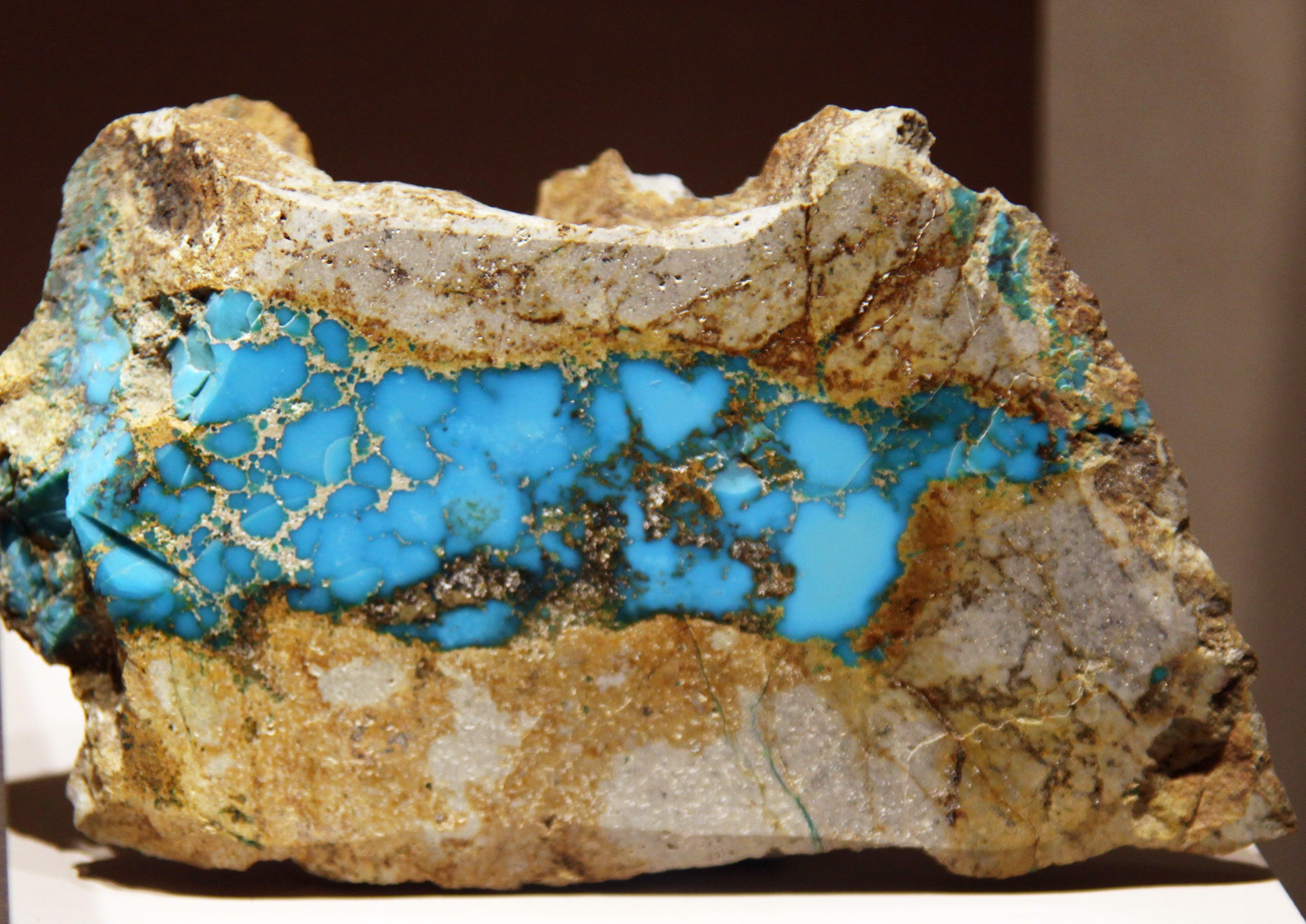
Virgin Valley opal is the headline: fire opal that flashes red and green, and the rare, coveted black opal — some of it replacing entire pieces of wood. Turquoise from Nevada’s many small mines ranges from sky blue to spiderweb-matrixed green, and obsidian (including “Apache tears”) is scattered across the volcanic country for easy surface collecting.
Where to go, region by region
Virgin Valley (far north)
The opal mines of Virgin Valley — Royal Peacock, Rainbow Ridge, Bonanza and others — are the headline destination. These are fee digs where you screen tailings or dig fresh ground and keep everything you find, including rare black opal.
Turquoise & obsidian country
Central Nevada has historic turquoise districts and broad obsidian flows; many sites are on BLM land open to personal-use collecting, though active turquoise mines are private. Specific localities to detail in future updates.
When to go
Nevada’s deserts are best in spring and fall — summer heat in the basins is severe and winter brings snow and mud to the high north. Virgin Valley mines generally run a defined season, so check opening dates before making the long drive.
Gear & field tips
- For opal: screens, spray bottle, and containers of water to store finds and prevent crazing.
- For obsidian and surface agate: just a bag and a sharp eye on the volcanic float.
- Nevada is empty country — carry water, fuel, recovery gear and a land-ownership map.
Rules & access
Most of Nevada is BLM land open to reasonable personal-use collecting — but turquoise and opal mines are typically private claims, so collect those only at fee operations or with permission. The state’s parks (and the ichthyosaur site at Berlin) prohibit collecting. Always confirm claim status and read our guide to collecting ethics & the law.
Clubs & shows
Nevada clubs run desert trips in the cooler months and the state hosts several gem shows. A club is the simplest way to learn the legal sites; browse our clubs directory.
Want Nevada opal or turquoise the easy way?
Sponsored — partner shop · Minerals KingdomFrequently asked questions
Can I really keep the opal I dig in Virgin Valley?
Yes — the Virgin Valley mines are fee digs where you keep what you find, including rare black opal. Just store it in water, because some Virgin Valley opal crazes as it dries.
Where can I find Nevada turquoise?
Active turquoise mines are private, so buy or arrange access there; some BLM ground yields variscite and lower-grade turquoise for personal use. Always check claim status.
Is obsidian easy to find?
Yes — it’s scattered across Nevada’s volcanic country and is one of the easiest surface finds for a beginner.
Informational only — confirm access and the law with the managing agency before collecting. Written by The Field & Stone Editors · Published by KEVALEX Group.