 FIELD
FIELD High in the Pioneer Mountains of southwest Montana, Crystal Park is a Forest Service recreation area set aside for one purpose: letting the public dig their own quartz crystals. Across roughly 220 acres of decomposed granite, anyone who pays a modest day-use fee can screen the loose, sandy soil for clear, smoky and amethyst quartz — including prized scepter crystals — and keep what they find for personal use. It sits between Wise River and Polaris on the Pioneer Mountains National Scenic Byway, in the Beaverhead–Deerlodge National Forest.
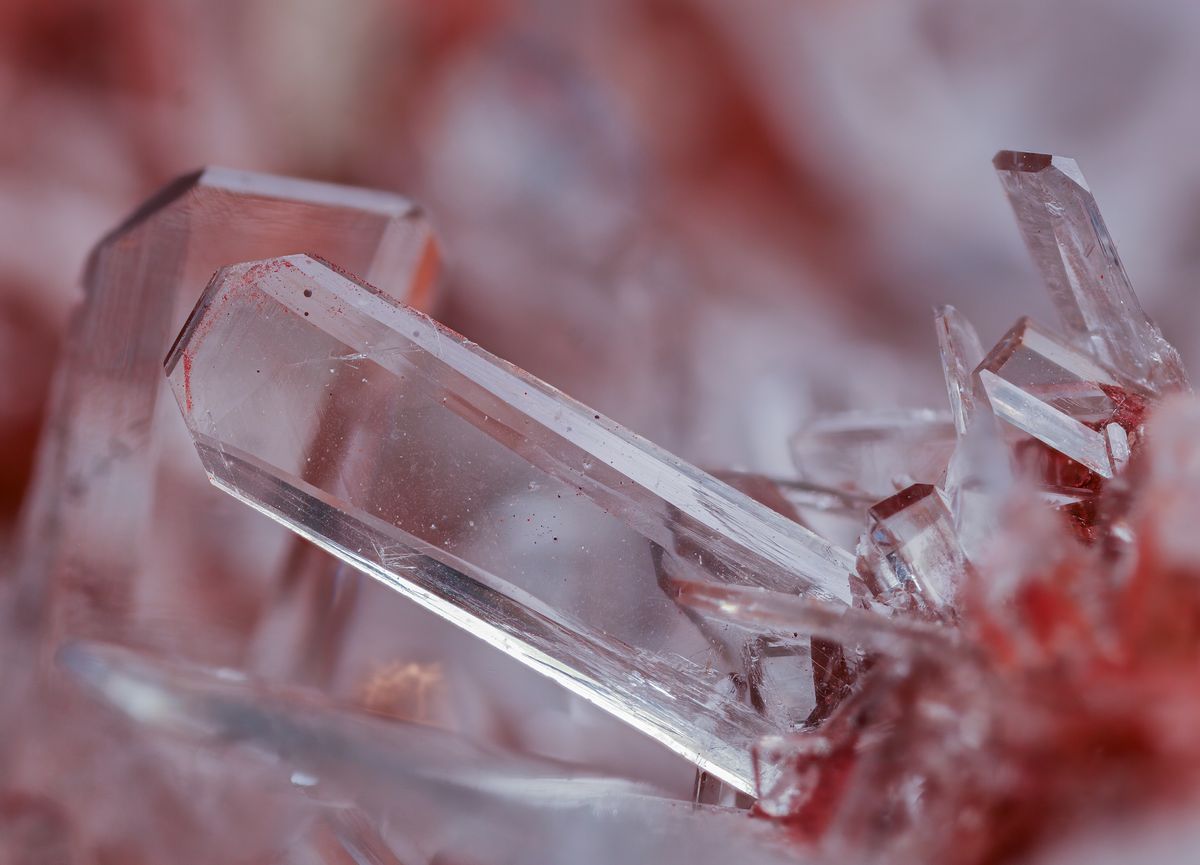
The geology behind the crystals
The crystals grew in an intrusion of granite — part of the same batholithic rock that cores the Pioneer Mountains. As the granite slowly weathered, the feldspar and mica broke down into a soft, crumbly decomposed granite (“grus”), freeing the far tougher quartz crystals that had crystallised in pockets and veins. Those loose crystals now lie scattered through the sandy soil, which is why digging here means screening and sifting rather than hammering hard rock. Iron and trace elements, plus natural irradiation, give some crystals their smoky or amethyst tint, and some grew as scepters, where a larger crystal head caps a slimmer stem.
What you’ll find
In the diggings
- Clear quartz points and clusters
- Amethyst — pale to purple-tinted quartz
- Smoky quartz, grey to brown
- Occasional scepter crystals
Access & the law
- USFS recreation area — a modest day-use fee applies (check the current rate).
- Hand tools only; dig for personal use and keep what you find.
- Fill in your holes and leave the ground as you found it.
How to dig the park
Bring a garden trowel or small hand rake, a screen or sieve, a spray bottle or jug of water, gloves and a container for your finds. Only hand tools are permitted — no motorised or powered equipment — so this is patient, hands-and-knees work rather than heavy excavation. Dig into the soft granitic soil, screen out the fines, and pick through what’s left; a rinse makes the crystals easy to spot. Please refill every hole before you leave: it keeps the site safe and open for the next visitor, and it’s part of the deal for digging here.
A high-country site — come prepared
Crystal Park sits at roughly 7,800 feet, and the elevation shapes everything about a visit. Even in summer, mornings are cold and afternoon thunderstorms build quickly; sun and UV are intense, and the thin air tires you faster than you expect. Carry layers, rain protection, sun protection, and plenty of water and food. Because the park is high and remote, it is strongly seasonal — typically open from around late May into mid-October, and snowbound the rest of the year. Those dates shift with snowpack and road conditions, so verify the current season and road status with the Beaverhead–Deerlodge National Forest before you drive up.
The Pioneer Mountains setting
The park lies along the Pioneer Mountains National Scenic Byway, the paved-and-gravel route that threads between Wise River to the north and Polaris to the south. Nearby Elkhorn Hot Springs and Forest Service campgrounds make it easy to turn a dig into a weekend, and the drive itself is a highlight, climbing through lodgepole forest and open granite high country. It is genuine mountain terrain, beautiful and exposed, so treat the trip as a backcountry outing rather than a roadside stop.
Getting there
The usual approach is from Dillon or the Big Hole valley onto the Pioneer Mountains Scenic Byway; the park is signed along the byway between Wise River and Polaris, roughly an hour from the nearest towns. The last stretch is mountain road that can be rough, dusty or muddy depending on weather. Fill your tank, carry supplies, and don’t rely on cell coverage once you’re in the mountains.
When to go
Plan for summer. The site is generally accessible only once the high-country snow clears — roughly late May through mid-October in a normal year — and is closed and snowbound outside that window. Midsummer offers the most reliable weather, but be off exposed ground before afternoon storms roll through. Always confirm current opening dates and road conditions with the managing forest before setting out.
Plan your trip
Pair this with the wider Montana rockhounding guide and the state’s Montana sapphire fee-dig areas, and read collecting ethics & the law before you go.
Frequently asked questions
Is digging at Crystal Park free?
Digging your own crystals is open to the public, but the Forest Service charges a modest day-use fee to help maintain the site. Fees can change, so check the current rate with the Beaverhead–Deerlodge National Forest before you go.
What crystals will I find?
Mainly quartz — clear, smoky and amethyst — weathered out of decomposed granite, sometimes as scepter crystals. Sizes vary from small points to occasional larger clusters; patience and screening pay off.
Can I use a shovel or power tools?
Only hand tools are allowed, and finds are for personal use. Motorised or powered digging equipment is not permitted. Always fill in your holes before leaving.
When is Crystal Park open?
It is a seasonal, high-elevation site — roughly late May to mid-October, snow permitting — and closed in winter. Because the park sits near 7,800 feet, verify current opening dates and road status before your trip.
Do I need to prepare for the altitude?
Yes. At about 7,800 feet the weather is cool and changeable, storms build fast, and the sun is strong. Bring layers, rain and sun protection, and ample water and food, and pace yourself in the thin air.
Prefer to buy your quartz?
Sponsored — partner shop · Minerals Kingdom
Written by The Field & Stone Editors. Informational only — confirm the current fee, digging rules, opening season and road conditions with the Beaverhead–Deerlodge National Forest before collecting. Published by KEVALEX Group.