 FIELD
FIELD Rockhounding in Montana
Cornflower-blue Yogo sapphire, dendritic moss agate from the Yellowstone River, and garnet-rich gravels — Montana is one of very few U.S. states with true gem sapphire, and you can screen for it yourself.
Montana is one of the few places in North America to produce gem-quality sapphire, and it made both sapphire and agate its state gems. The sapphires weathered out of igneous rocks and concentrated in gravels you can pay to screen; the agate tumbled down the Yellowstone River from volcanic country upstream. It’s a warm-season state, but a generous one.

The geology behind the finds
Montana’s sapphires come from two settings: the famous Yogo dike, where cornflower-blue stones sit in an igneous rock, and the alluvial deposits (Rock Creek, the Missouri River bars, Dry Cottonwood) where sapphires of every colour weathered out and collected in gravel. Meanwhile, volcanic ash and silica carried by the Yellowstone River formed the dendritic Montana moss agate, scattering it along the river’s gravel bars for hundreds of miles.
What you’ll find
Classic Montana material
- Sapphire — Rock Creek (Gem Mountain), Missouri River bars, Yogo
- Montana moss agate — Yellowstone River gravels
- Garnet
- Quartz & fossils
Before you go
- Gem Mountain (Rock Creek) offers fee-dig sapphire gravel.
- River-bar agate: collect at public access points, personal use.
- Yogo sapphires are largely from private/commercial ground.
- Read ethics & law first.
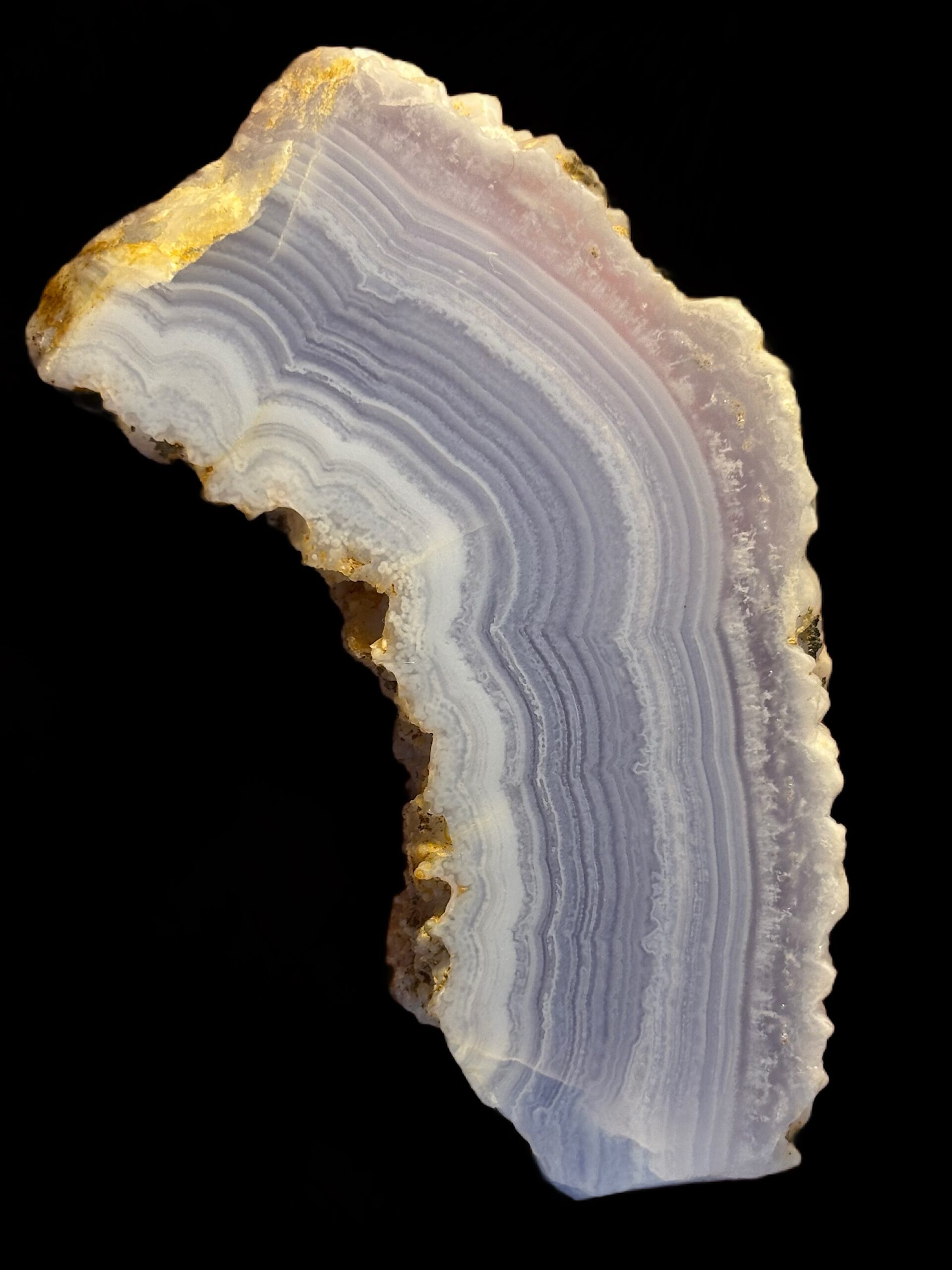
The fee-dig sapphire experience is the heart of Montana rockhounding: you buy buckets of pre-dug gravel, wash and screen them, and pick out the heavy, glassy sapphire crystals in greens, blues, pinks and yellows. Montana moss agate — clear chalcedony filled with black, tree-like dendrites — is the other prize, hunted on the Yellowstone’s gravel bars.
Where to go, region by region
Sapphire country (western Montana)
The Rock Creek / Gem Mountain area near Philipsburg is the classic public sapphire experience — buy gravel, screen it, keep your stones. The Missouri River bars near Helena also yield sapphire to those who dig and screen the gravel.
The Yellowstone River
Gravel bars along the Yellowstone, especially in eastern Montana, are the source of dendritic moss agate — work legal public access points and respect private riverfront.
When to go
Montana rockhounding is a June-to-September activity. Mountain sapphire sites are snowbound much of the year, and the Yellowstone’s gravel bars are best at low summer water, when more bar is exposed.
Gear & field tips
- For sapphire: screens and a jig or tweezers; learn the heft and glassy lustre that set sapphire apart from quartz.
- For agate: walk the gravel bars and wet stones to spot the dendrites inside clear chalcedony.
- Watch river levels and access; never trespass on private riverfront.
Rules & access
The fee-dig sapphire operations are the easy legal entry point. River-bar agate can be collected at public access points within personal-use limits, but much riverfront is private — and the Yogo sapphires come almost entirely from commercial ground. Confirm access and read our guide to collecting ethics & the law.
Clubs & shows
Montana clubs run summer field trips to the sapphire areas and the agate bars. They’re the best way to find legal access and learn to screen efficiently — see our clubs directory.
Want Montana moss agate or sapphire the easy way?
Sponsored — partner shop · Minerals KingdomFrequently asked questions
Can I really find sapphires in Montana?
Yes — fee-dig operations like Gem Mountain near Philipsburg sell sapphire-bearing gravel that you screen yourself and keep what you find, in a rainbow of colours.
What is Montana moss agate?
A clear chalcedony filled with black, tree-like mineral dendrites, found along the Yellowstone River gravels and prized by cutters worldwide.
Are Yogo sapphires collectable by the public?
Mostly no — Yogo sapphires come from private, commercially worked ground. For a hands-on sapphire hunt, head to the alluvial fee-dig sites instead.
Informational only — confirm access and the law with the managing agency before collecting. Written by The Field & Stone Editors · Published by KEVALEX Group.