Montana’s state gem is the sapphire, and unlike most gem states, Montana lets you go find your own. At Gem Mountain near Philipsburg and the historic Missouri River bars near Helena, you buy a bag of sapphire-bearing gravel, wash it, and keep the pastel stones you pick out — no mining experience required.
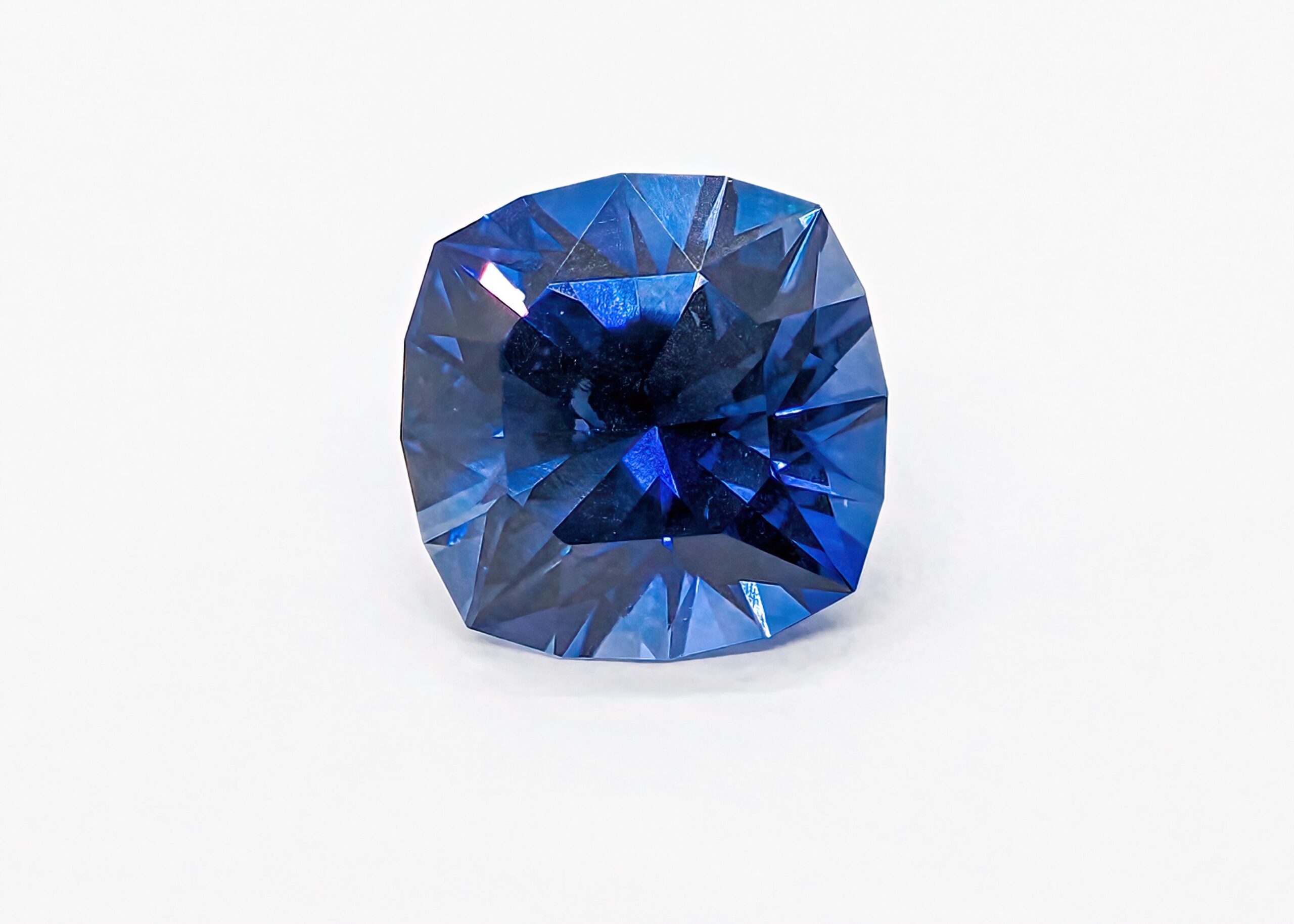
The geology behind the sapphires
Montana’s sapphires are corundum weathered out of ancient volcanic rock and concentrated by rivers into gem gravels. The Rock Creek district near Philipsburg is the classic alluvial source, famous for a rainbow of pastel stones — pale blue, green, teal, pink and yellow. Because the ground did the sorting for you, collecting is a matter of washing gravel rather than breaking rock.
Gem Mountain & Spokane Bar
Two operations make it easy. Gem Mountain (Rock Creek) sells buckets of pre-screened concentrate that you wash and sort under cover. Near Helena, Spokane Bar and neighboring Missouri River bars offer fee digs and, in places, public recreational panning. A note on color: many Montana sapphires start out pale and are later heat-treated to deepen the blue — a normal, disclosed practice in the trade.
What you’ll find
The stones
- Sapphire — pale blue, green, teal, pink, yellow
- Occasional ruby (red corundum)
- Garnet & other heavy minerals
- Some stones show a star when cut
Access & the law
- Fee-dig concentrate — pay per bag, keep what you find.
- Some Missouri River bars allow public recreational panning under Forest Service/BLM rules.
- The famous Yogo sapphires are on private commercial ground — not a public dig.
How it works
You buy one or more bags of gravel or concentrate, wash the dirt through a screen in a water trough, then sort the heavy leftovers by eye and tweezers. It’s a shaded, seated activity that suits all ages, and staff will help you spot and identify sapphires among the garnet and other heavies.
Yogo & the famous blue
Montana’s most storied sapphires are the deep cornflower-blue Yogo stones from Yogo Gulch — prized because they are a rich blue without heat treatment. Yogo, however, lies on private commercial claims and is not open to public digging; the public experience is the pastel gravel at Rock Creek and the river bars.
Getting there
Gem Mountain is southwest of Philipsburg in western Montana; the Missouri River bars (Spokane, Eldorado) lie east of Helena. Both areas have signed operations with parking and washing pavilions.
When to go
Digs run spring through fall and are busiest in summer. Confirm each operation’s dates and rates before you travel, and check current rules for any public river-bar panning.
Plan your trip
Pair this with the wider Montana rockhounding guide, and read collecting ethics & the law before you go.
Frequently asked questions
Can I really find sapphires in Montana?
Yes — at fee-dig operations like Gem Mountain and the Missouri River bars you wash sapphire gravel and keep the stones. Some river bars also allow public recreational panning.
Why are many Montana sapphires pale?
Rock Creek stones are naturally pastel; the trade often heat-treats them to deepen the blue, a normal and disclosed practice.
What are Yogo sapphires?
Rich cornflower-blue sapphires from Yogo Gulch, valued for needing no heat treatment — but they’re on private commercial claims, not open to public digging.
How do I recognize rough sapphire?
Look for smooth, waterworn, frosty pebbles with a faint glassy sheen. They’re heavy and sink to the bottom of the screen.
Do I need tools or experience?
No — the operations provide screens and washing troughs, and staff help you sort. It suits all ages.
Want a cut Montana sapphire?
Sponsored — partner shop · Minerals Kingdom
Written by The Field & Stone Editors. Informational only — confirm access, fees and public-panning rules before collecting. Published by KEVALEX Group.
 FIELD & STONE
Field & Stone is the American rockhounding field guide — where to find rocks, minerals and fossils across all fifty states. Real localities, the best seasons, collecting law and the rock & gem clubs that keep the craft alive, from the Olympic Peninsula agate beaches to the diamond fields of Arkansas.