 FIELD
Diamond Hill Mine — quartz & amethyst
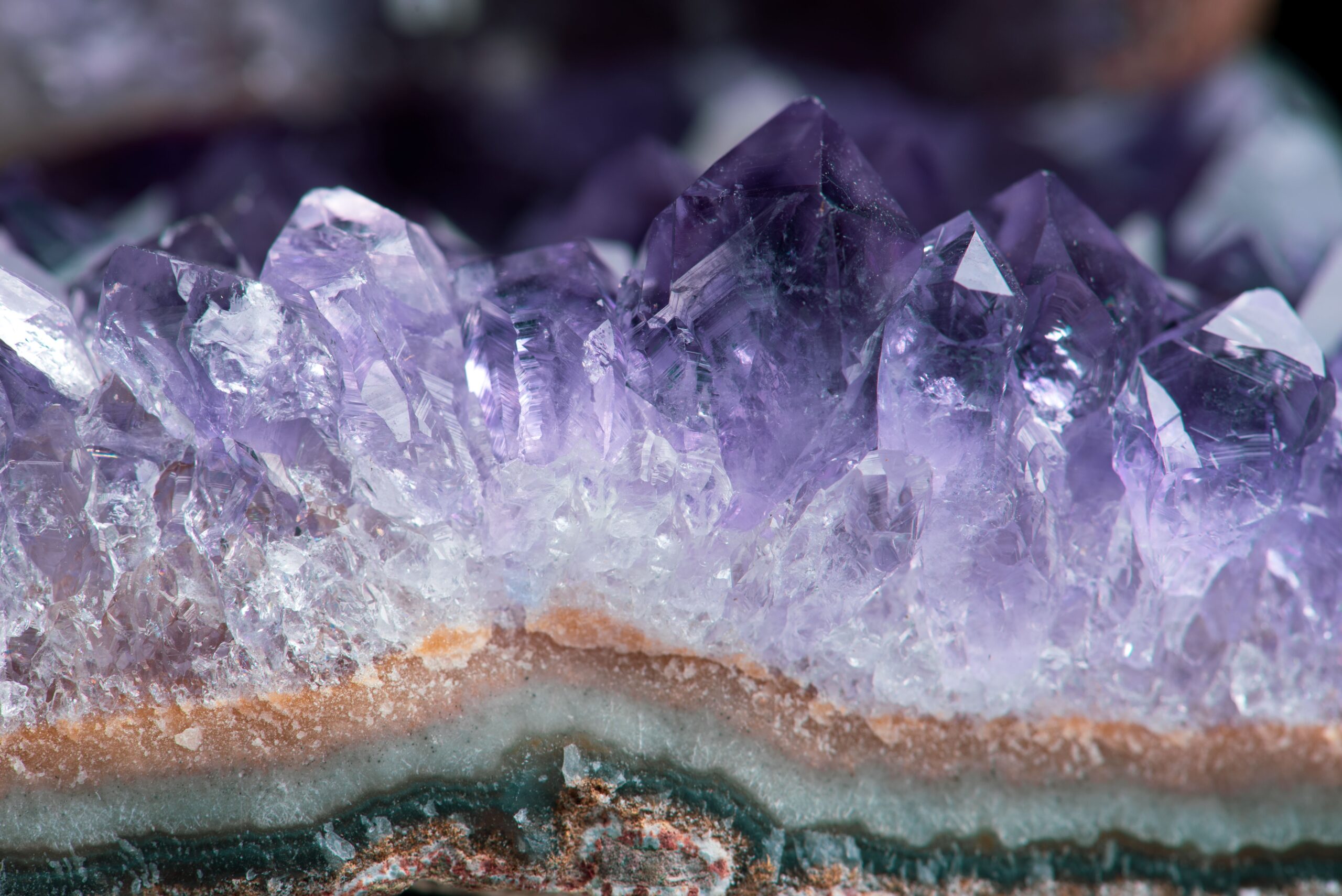
Diamond Hill Mine near Abbeville, South Carolina, is a long-standing self-dig quartz locality where a modest day fee buys you the run of the hill. Despite the name it produces quartz, not diamonds — but what quartz: clear and smoky crystals, purple amethyst, dramatic skeletal (“elestial”) quartz and amethyst scepters, along with sparkling pyrite.
The geology behind the crystals
Diamond Hill is threaded with quartz veins cutting the region’s metamorphic rock. Where those veins widen into clay-filled pockets, quartz had room to grow well-formed crystals. Slow, complex growth produced the site’s signature skeletal quartz — crystals with etched, stepped, “window” faces — and scepters, where a fresh crystal caps an older stem. Iron in the system tints some quartz to smoky and amethyst.
A self-dig hill open to all
What makes Diamond Hill special is how simply it works: it is a privately owned collecting hill that welcomes the public to dig for a small per-person fee, with no experience required. There is no guided tour and no salted dirt — you get access to the worked veins and old dig faces and keep everything you turn up. That open, informal setup has made it a favorite weekend destination for Southeastern crystal collectors and a friendly place for first-timers to learn to read a quartz vein.
What you’ll find
The stones
- Clear & smoky quartz crystals
- Amethyst, including scepters
- Skeletal / elestial quartz
- Pyrite and quartz clusters
Access & the law
- Private, self-dig — pay the per-person day fee.
- Keep what you dig; bring your own hand tools.
- Confirm current hours and fees before you travel.
How it works
This is genuine dig-your-own collecting: pay at the entrance, pick a spot along the worked veins, and dig. A mattock or heavy pick, a screen, gloves and water buckets for washing clay all help. Newcomers often do well simply working the loose material other diggers have turned over, checking each clay clod for crystal points. Keep a padded box for the delicate scepters and windowed crystals, which are the finds worth carrying carefully home.
Skeletal quartz & scepters
Diamond Hill’s reputation rests on two showy growth habits. Skeletal (elestial) quartz forms crystals whose faces are etched into stacked, hollowed “windows,” so a single point looks like a cluster of stepped terraces — dramatic and very collectible. Scepters happen when a later crystal caps an earlier thin stem, sometimes with a purple amethyst head on a clear stalk. Add ordinary clear, smoky and amethyst quartz plus flashes of pyrite, and a good day here can yield display pieces you would otherwise pay a shop for.
Getting there
The mine is a short drive from Abbeville in western South Carolina, reached by paved roads that give way to a gravel entrance and parking on the hill. Abbeville and nearby Greenwood are the places to fuel up and grab food and water before you head out. There are no services at the dig itself, so come self-sufficient.
When to go
Cooler months — fall through spring — are most comfortable for digging on the open hill; summer is hot and humid with little shade. Wet conditions make the clay heavy but can rinse crystals into view, so a dig a day or two after rain often pays off. Confirm the mine’s open days before visiting, as hours are seasonal.
Plan your trip
Pair this with the wider South Carolina rockhounding guide, and read collecting ethics & the law before you go.
Frequently asked questions
Are there really diamonds at Diamond Hill?
No — the name is historic. The site produces quartz, including amethyst and striking skeletal and scepter crystals, but no diamonds.
What is skeletal quartz?
Quartz with etched, stepped, “window”-like faces formed by complex growth and etching. Diamond Hill is well known for these elestial-style crystals.
Do I have to dig?
It’s a self-dig site, so digging into the clay veins gives the best crystals. Beginners can also rework loosened material and surface float for easy finds.
What tools should I bring?
A pick or mattock, screen, gloves, buckets and water for washing clay, plus sturdy shoes. Wrap fragile crystals to protect their edges.
When is the best time?
Fall through spring, to avoid summer heat and humidity. Check the mine’s current open days and fees before you travel.
Want a cut amethyst?
Sponsored — partner shop · Minerals Kingdom
Written by The Field & Stone Editors. Informational only — confirm access, fees and current rules before collecting. Published by KEVALEX Group.