 FIELD
FIELD Rockhounding in South Carolina
Deep-purple amethyst from the Piedmont and giant fossil shark teeth from the rivers — South Carolina offers gem digging and Megalodon hunting in one state.
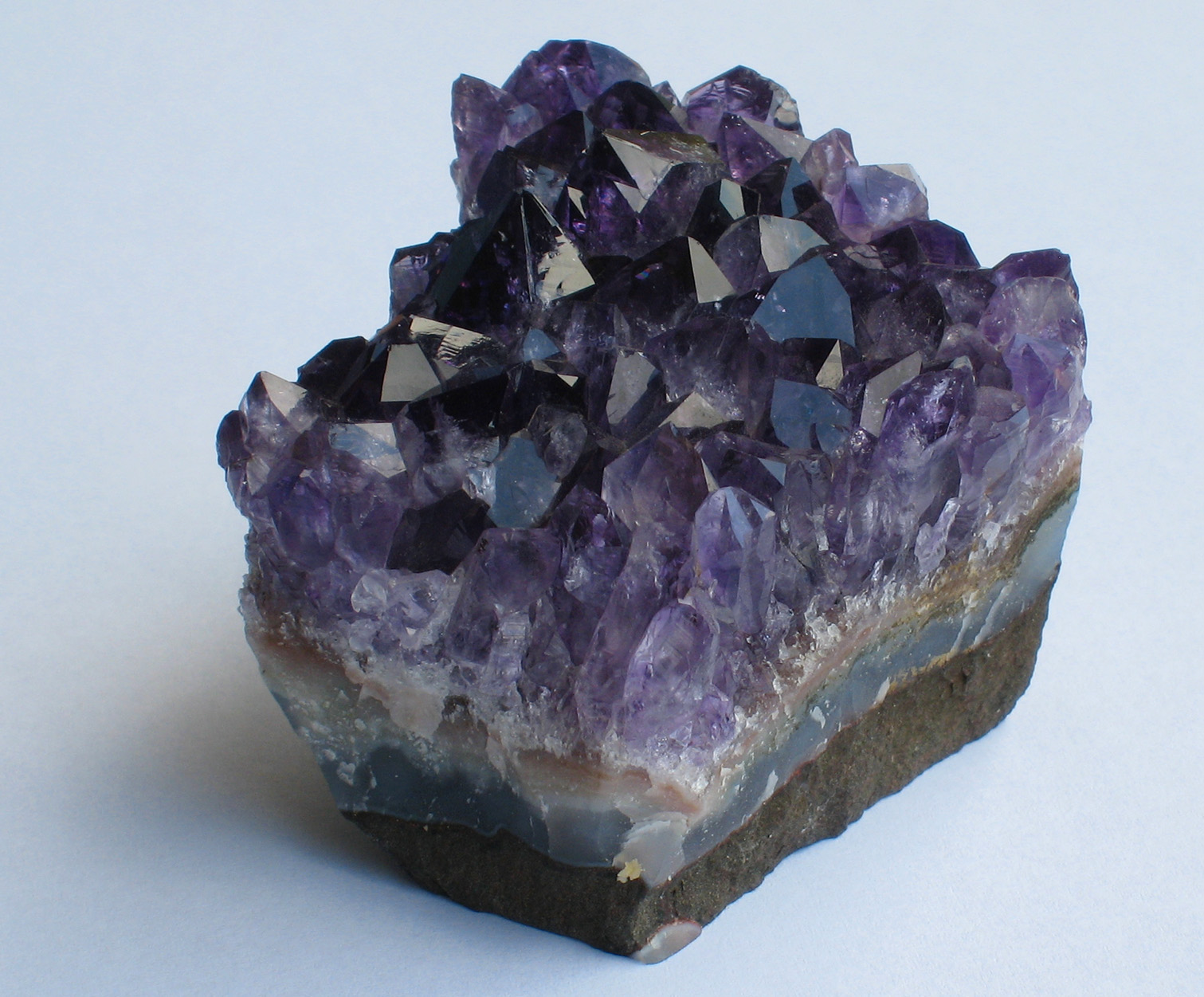
South Carolina pairs two very different hunts. In the Piedmont, gem amethyst — the state gem — comes from fee-dig mines that have produced museum-quality crystals. In the Lowcountry, the rivers and coast are famous for fossil shark teeth, including the colossal teeth of Megalodon.
The geology behind the finds
The metamorphic and igneous rocks of the Piedmont grew quartz veins and pockets that crystallised fine amethyst (Diamond Hill, Due West) along with smoky quartz, kyanite and beryl. The coastal plain, by contrast, is young marine sediment that entombed the teeth of ancient sharks — now concentrated in riverbeds and along the shore, where divers and beachcombers recover them.
What you’ll find
Classic South Carolina material
- Amethyst — Diamond Hill / Due West (fee dig)
- Megalodon & shark teeth — rivers/coast
- Smoky quartz, kyanite, beryl
Before you go
- Diamond Hill Mine offers fee-dig amethyst & smoky quartz.
- River fossil diving needs the right permits & safety; a state hobby license may apply.
- Read ethics & law first.
South Carolina amethyst ranges to a rich, saturated purple and forms showy crystal plates — the Diamond Hill mine is the classic fee-dig destination. The Lowcountry shark teeth are the other prize, from small black teeth on the beach to hand-sized Megalodon teeth pulled from the rivers.
Where to go, region by region
The Piedmont — amethyst country
The Diamond Hill mine near Abbeville and the Due West area are the go-to fee-dig sites for amethyst and smoky quartz — you dig the pockets and keep what you find.
The Lowcountry — fossil rivers & coast
Rivers such as the Cooper and the Edisto, and the beaches of the coast, yield fossil shark teeth. Diving the rivers requires a state fossil/artifact hobby license and serious safety precautions.
When to go
South Carolina collecting is best in spring and fall, avoiding the humid summer. Beach shark-tooth hunting is good year-round, especially after storms that rework the sand.
Gear & field tips
- For amethyst: a mattock and screen for the pockets; the mine advises on the day’s method.
- For beach teeth: search the waterline at low tide; a scoop and screen help in shell gravel.
- For river diving: get the proper license and dive only with experience and a buddy.
Rules & access
The cleanest collecting is at the fee-dig amethyst mines and on public beaches for teeth. River fossil collecting in South Carolina requires a state hobby license — confirm current rules. Read our guide to collecting ethics & the law.
Clubs & shows
Southeast Federation clubs are active in South Carolina and run amethyst and fossil trips. Browse our clubs directory.
Want South Carolina amethyst or a Megalodon tooth?
Sponsored — partner shop · Minerals KingdomFrequently asked questions
Where can I dig amethyst in South Carolina?
The Diamond Hill mine near Abbeville and the Due West area are fee-dig sites where you dig the pockets and keep the amethyst and smoky quartz you find.
Do I need a license to find shark teeth?
Beach collecting of loose teeth is generally fine, but collecting fossils from South Carolina’s rivers and submerged lands requires a state hobby license — check the current rules.
Can I really find Megalodon teeth here?
Yes — the Lowcountry rivers and coast are among the best places in the U.S. to find fossil shark teeth, including large Megalodon teeth.