 FIELD
On the salt flats of the Salt Plains National Wildlife Refuge near Cherokee, Oklahoma, there is a designated public area where anyone can dig their own selenite crystals and keep them — for free. This is the only place on Earth where the crystals form with a brown “hourglass” of sand sealed inside. The dig is easy and family-friendly, but the flat is harsh: no shade, fierce heat, and a seasonal window set by the refuge. Check the current dates and rules before you go.
The geology behind the crystals
The Great Salt Plains is a flat, salt-crusted lakebed left by an ancient sea. Just below the surface, brine saturated with dissolved gypsum soaks the reddish sand. As that brine slowly evaporates and concentrates, it crystallises into selenite — a clear, bladed variety of gypsum. Because the crystals grow through the wet, iron-stained sand, they trap grains in a distinctive brown pattern. Single crystals, penetration twins and clusters all form, and many carry the hourglass shape of included sand that is unique to this locality.
What you’ll find
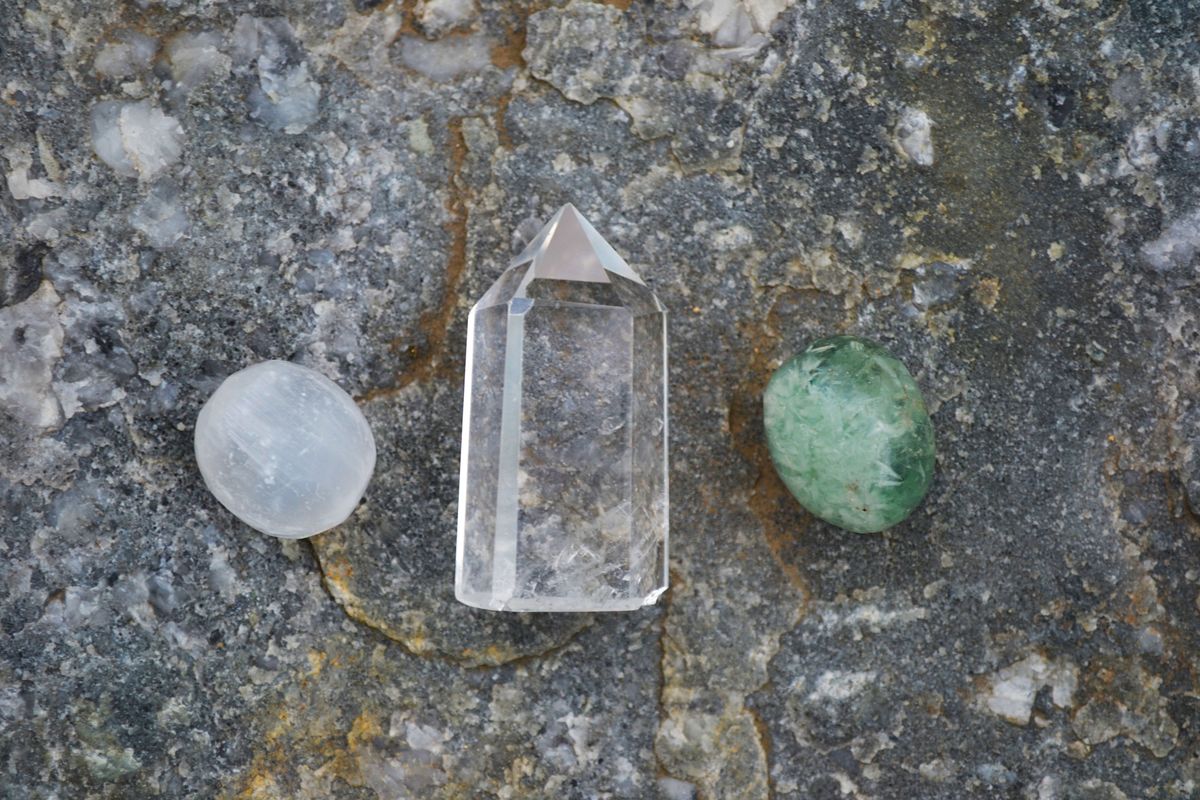
Salt Plains selenite
- Hourglass selenite — sand sealed inside as a brown hourglass
- Clear single blades and points
- Penetration twins and rosette-like clusters
- Amber to brown tints from the iron-rich sand
Access & the law
- Free digging in a marked public area for personal use.
- Open only in a seasonal window — verify current dates with the refuge.
- Daily quantity limits apply and selling is not allowed — confirm current rules.
- Much of the refuge is closed for wildlife; stay in the designated dig area.
How the dig works
The method is simple and part of the fun. You choose a spot in the open flat, dig down with a shovel or trowel, and flood the hole with water so the crystals separate from the sticky red mud. Work the walls of your hole and sift the loosened material by hand. Selenite is only about 2 on the Mohs scale — softer than a fingernail is hard — so it scratches and snaps easily; rinse each crystal, wrap the good ones, and carry them out padded rather than loose in a bucket.
Come prepared for the flat
The salt plain offers no shade, no shelter and no water. Summer days are brutally hot and the white surface reflects the sun back at you. Bring far more drinking water than you think you need, plus extra water for rinsing crystals and washing off the mud, which is thick and clinging. Pack a shovel or trowel, a bucket, sun protection, a hat and closed shoes, and go early in the day. There is no reliable services on the flat, so treat it as a self-reliant outing.
Curing your crystals
Selenite dug from the flat is wet and fragile, and it can crack or cloud as it dries too fast. Rinse the sand off gently, then let the crystals air-dry slowly out of direct sun and heat over several days. Handle them lightly — the thin blades chip — and store the hourglass pieces where they won’t rub against each other. With care, a well-cured Salt Plains crystal keeps its glassy clarity and its sand hourglass for years.
A refuge first, a dig second
The digging area sits inside the Salt Plains National Wildlife Refuge, a major stop for migrating birds — including whooping cranes — and large parts of the refuge are closed to the public to protect nesting and resting wildlife. Collecting is allowed only in the marked selenite area and only during the posted season; the refuge sets and can change these dates, and closes the flat the rest of the year. Always check the refuge’s current information before you travel.
Getting there
The dig area is reached from Cherokee, in Alfalfa County in northwest Oklahoma, with the adjoining Great Salt Plains State Park nearby for camping and facilities. Signs direct you from the refuge entrance to the crystal area, which is marked in the field. Confirm the access road and gate hours before you set out, as they follow the seasonal schedule.
When to go
The dig typically opens in spring and runs into fall — often roughly April 1 to October 15, but the refuge sets the exact dates each year, so verify the current window. Within the season, go in the cooler hours of the morning; midsummer afternoons on the flat are dangerously hot and offer no relief from the sun.
Plan your trip
Pair this with the wider Oklahoma rockhounding guide, and read collecting ethics & the law before you go.
Frequently asked questions
Is digging selenite at the Great Salt Plains free?
Yes — the refuge maintains a marked public digging area where you can dig and keep selenite crystals for personal use at no charge, during the posted seasonal dates. Confirm the current season and rules first.
What is hourglass selenite?
A selenite (gypsum) crystal that grew through the wet, iron-stained sand of the flat and trapped a brown hourglass of sand inside it. This hourglass form is found only at the Great Salt Plains.
How do I actually find the crystals?
Dig a hole a foot or two deep, then pour water into it. The water washes mud off the buried crystals and floats the sand away, revealing selenite in the walls of the pit. Lift them gently — they are soft.
When is the digging area open?
It runs on a seasonal window — often about April 1 to October 15 — but the refuge sets the dates and closes the area otherwise. Check the refuge’s current information before travelling.
What should I bring?
Plenty of drinking water plus water for rinsing, a shovel or trowel, a bucket, sun protection and a hat. There is no shade or water on the flat, and the heat is intense.
Want selenite specimens?
Sponsored — partner shop · Minerals Kingdom
Written by The Field & Stone Editors. Informational only — confirm the refuge’s current season, digging area and daily limits before collecting. Published by KEVALEX Group.