 FIELD
FIELD Rockhounding in Oklahoma
Barite “rose rocks” and the dig-your-own hourglass selenite of the Salt Plains — Oklahoma has two of America’s most distinctive public collecting experiences, plus agate and fossils across the state.
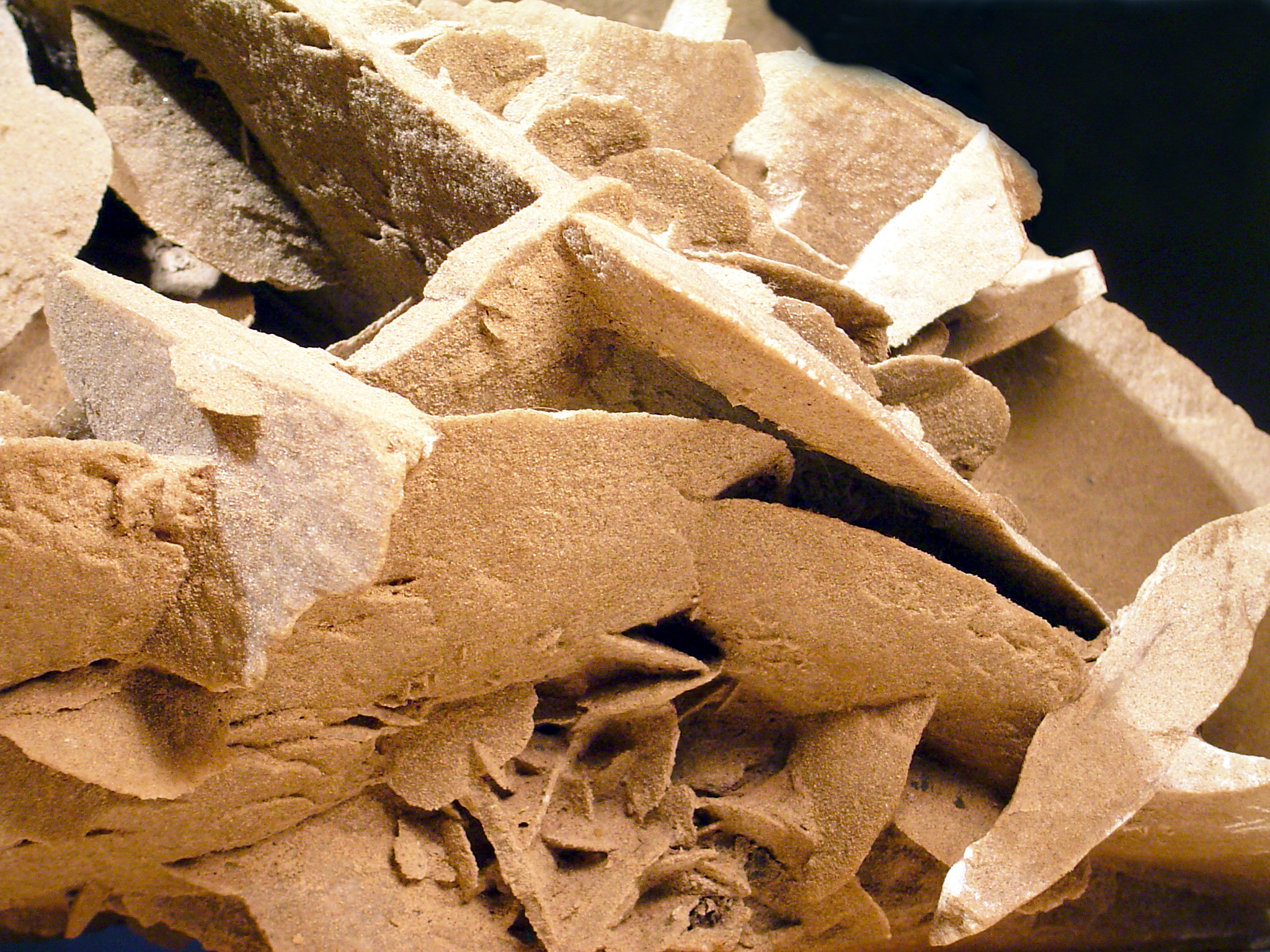
Oklahoma gives rockhounds two things found almost nowhere else, and both are open to the public. The red sandstone of central Oklahoma grows flower-shaped barite “rose rocks,” the state rock, and at the Great Salt Plains you can dig your own hourglass selenite — gypsum crystals with a sand “hourglass” sealed inside.
The geology behind the finds
Oklahoma’s rose rocks formed when barite crystallised in the iron-rich Permian sandstone, growing in clusters that look like petals or full roses. At the Great Salt Plains in the northwest, gypsum-saturated brine crystallises just below the salt flat into selenite crystals that trap a brown hourglass of sand as they grow — a combination unique to this place. The state’s gravels and uplands add agate, jasper and fossils.
What you’ll find
Classic Oklahoma material
- Barite rose rocks — Cleveland / Noble County area
- Hourglass selenite — Great Salt Plains
- Agate, jasper, chert
- Fossils
Before you go
- The Great Salt Plains has a designated public digging area, open seasonally — check current dates.
- Rose-rock ground is often private — ask permission.
- Read ethics & law first.
A good rose rock is a natural sculpture — reddish barite “petals” in a rosette. The Salt Plains selenite is just as remarkable: dig down a foot or two into the wet flat, and clear gypsum crystals with their signature sand hourglass come out of the ground. Both are family-friendly hunts.
Where to go, region by region
The Great Salt Plains (northwest)
A federal wildlife refuge maintains a public selenite digging area that opens seasonally (typically spring to early fall). You scoop into the salt flat and keep the hourglass crystals you find — confirm the year’s dates before travelling.
Rose-rock country (central Oklahoma)
The Cleveland and Noble County area around the town of Noble is the home of the barite rose. Much ground is private, so seek permission; rose rocks are also sold locally.
When to go
Oklahoma collecting is best in spring and fall — summers are hot and the Salt Plains digging area runs on a defined seasonal schedule. Plan around the refuge’s published open dates.
Gear & field tips
- For selenite: a small shovel and water; rinse crystals gently and let them dry slowly so they don’t crack.
- For rose rocks: surface-hunt the red-dirt outcrops; a small pick frees clusters from soft sandstone.
- Bring sun protection and water — both areas are exposed.
Rules & access
The Salt Plains digging area is public but seasonal — collecting outside the posted dates or area is not allowed. Rose-rock ground is largely private, so get permission. Read our guide to collecting ethics & the law before you go.
Clubs & shows
South Central Federation clubs are active in Oklahoma and run trips to the Salt Plains and rose-rock country. Browse our clubs directory.
Want an Oklahoma rose rock or hourglass selenite?
Sponsored — partner shop · Minerals KingdomFrequently asked questions
Can I dig selenite at the Great Salt Plains?
Yes — a public digging area at the wildlife refuge lets you dig and keep hourglass selenite crystals during the posted seasonal dates. Always check current opening times first.
What is an Oklahoma rose rock?
A cluster of barite crystals that grew in red Permian sandstone, forming a rose- or flower-like shape. It’s the official state rock, found mainly around Noble.
Why does Salt Plains selenite have an hourglass?
The crystals trap reddish-brown sand in an hourglass pattern as they grow in the wet, sandy flat — a feature unique to this locality.