 FIELD
FIELD How to tumble rocks
A rock tumbler turns rough field finds into glossy, display-ready stones — but it takes the right grit, the right rocks and, above all, patience.
Rock tumbling is the simplest way to finish your finds. A machine does the grinding while you wait, using progressively finer abrasive grit to reproduce, in a few weeks, the smoothing that a river takes centuries to achieve. The results can be spectacular — but only if you understand the process before you start.
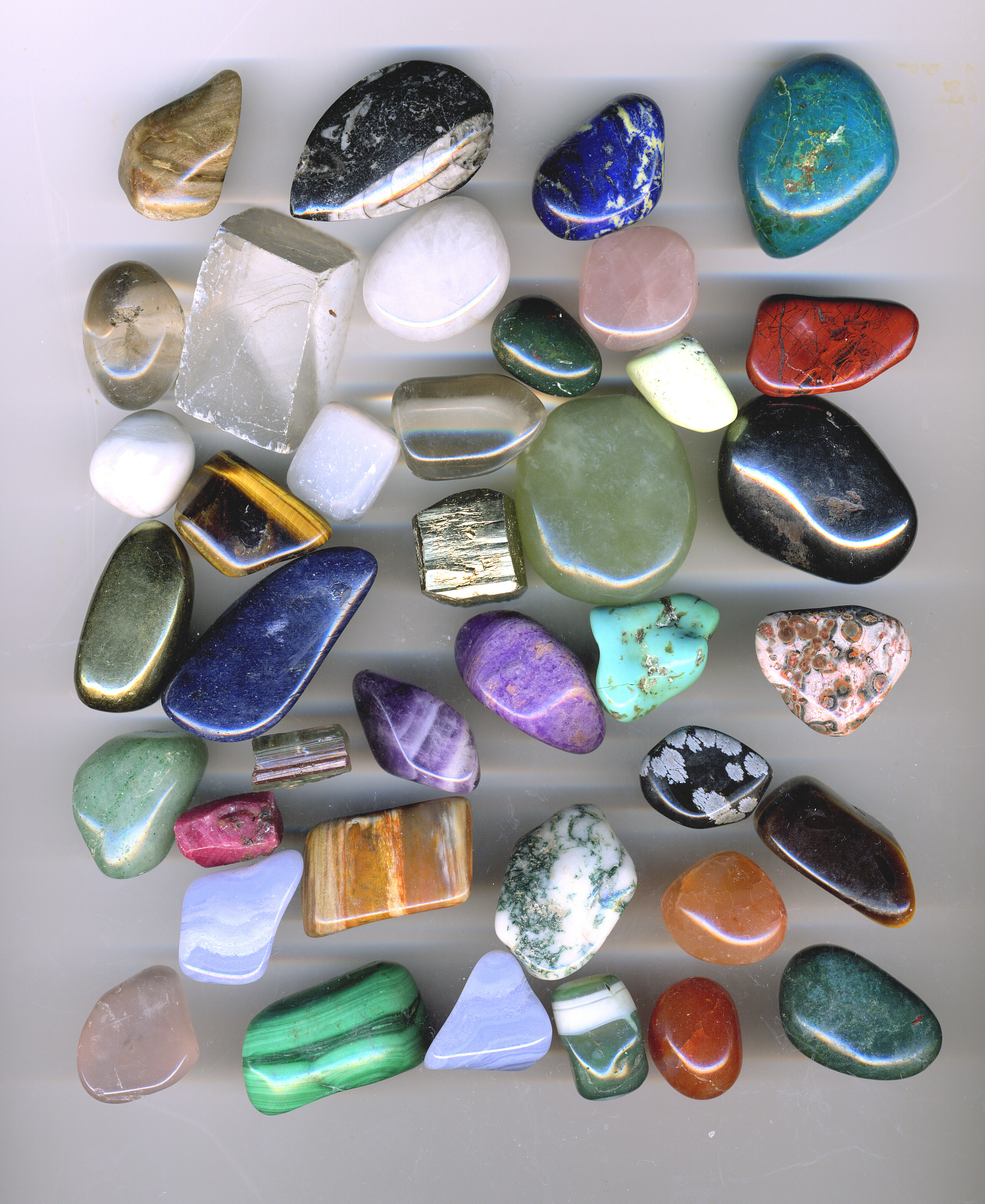
How a tumbler works
The most common machine is a rotary tumbler: a sealed barrel that turns slowly on rollers for weeks. Inside, rocks, water, abrasive grit and a bit of filler tumble over one another. Each turn drags grit across the stone surfaces, wearing down high spots and gradually rounding and smoothing them. As the grit gets finer at each stage, the scratches it leaves get finer too, until the surface reflects light as a polish.
Vibratory tumblers work faster and keep the shape of the rough more closely, but they cost more and are noisier. For a first machine, a small rotary tumbler is the standard, forgiving choice.
The four grit stages
A full polish means running the same batch through four stages, washing everything thoroughly between each so no coarse grit contaminates the next step:
Coarse & medium
- Stage 1 – Coarse grind (60/90 silicon carbide): shapes and removes rough surfaces. About 7–10 days.
- Stage 2 – Medium grind (120/220): removes the coarse scratches. Around a week.
Fine & polish
- Stage 3 – Fine grind (500): smooths the surface ready for polish. About a week.
- Stage 4 – Polish (cerium or tin oxide): brings up the shine. About a week.
Add plastic pellets or ceramic media as filler to cushion the load and carry grit into hollows. Never pour grit or slurry down a drain — it sets like concrete; let it dry and bin it.
Which rocks tumble well
The best candidates are hard, dense and free of cracks. Quartz-family stones — agate, jasper, chalcedony, petrified wood — are ideal, sitting around 7 on the Mohs scale and taking a glassy polish. Softer stones such as calcite or obsidian can be tumbled but need gentler handling and shorter runs. Avoid porous, fractured or flaky material: it breaks up and contaminates the batch.
Sort by hardness and size. Tumble stones of similar hardness together, mix a range of sizes so they grind against each other, and reject anything with visible cracks — a tumbler finds every weakness.
Common mistakes
- Rushing the stages. Cutting the coarse grind short leaves pits that no polish can hide.
- Mixing hardnesses. Soft stones wear away while hard ones are barely touched.
- Overloading or underloading. A barrel should be about two-thirds to three-quarters full for the rocks to tumble properly.
- Contamination. Leftover grit from the previous stage is the number-one cause of a dull, scratched result.
How long does it take?
Expect four to six weeks for a fully polished batch in a rotary tumbler, running almost continuously. It is a hobby that rewards patience rather than effort: the machine does the work, but each stage must run its full course. Many tumblers keep two or three barrels going at once so a new batch is always finishing.
Frequently asked questions
How long does it take to tumble rocks?
Around four to six weeks for a full four-stage polish in a rotary tumbler, with roughly a week per stage. Vibratory tumblers are faster but cost more.
What rocks are best for tumbling?
Hard, crack-free quartz-family stones — agate, jasper and chalcedony — polish best. See our guide to agate vs. jasper vs. chert to identify them.
Do I need different grit for each stage?
Yes: coarse, medium and fine silicon-carbide grit, then a polishing compound such as cerium or tin oxide. Wash everything thoroughly between stages.
Can I tumble rocks of different hardness together?
It is best not to. Softer stones wear away before harder ones are finished. Sort by hardness, and mix only sizes within a similar hardness range.
Can I pour the used grit down the sink?
Never — the slurry sets hard and blocks drains. Let it dry in a bag or tub and put it in the bin.
Need rough or tumbled stones?
Sponsored — partner shop · Minerals Kingdom
Not sure what to tumble yet? Start by reading how to start rockhounding and go collect a bag of hard, water-worn pebbles.
Solid, crack-free silica takes the best polish of anything you can load into a barrel — which is why it pays to know how to spot petrified wood in the field before you tumble it.
Written by The Field & Stone Editors · Published by KEVALEX Group.