 FIELD
FIELD Rockhounding in West Virginia
Golden millerite needles, fossil ferns from the coal measures, and quartz in the folded ridges — the Mountain State’s collecting is about fossils and a few distinctive minerals.
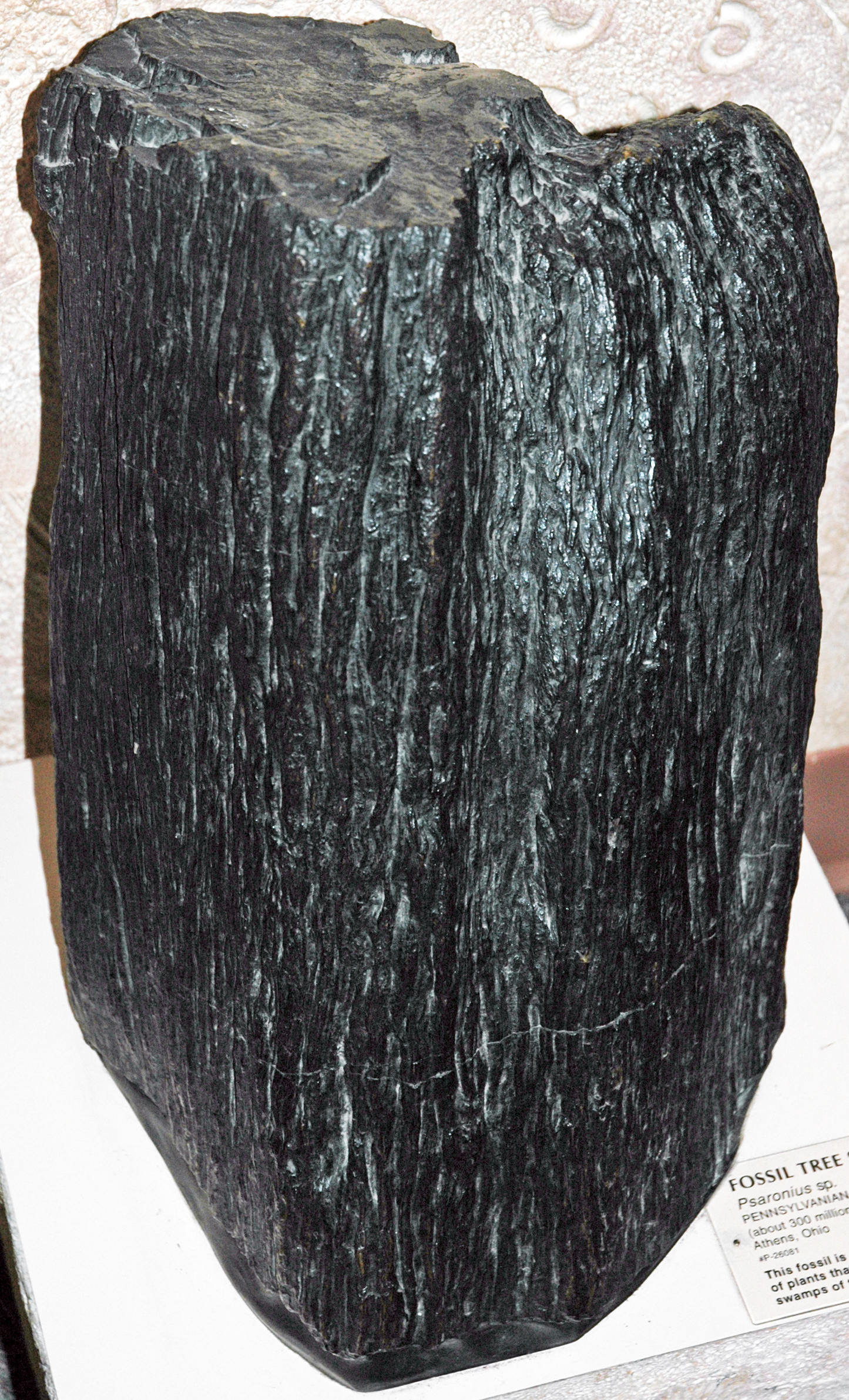
West Virginia is built almost entirely of folded and faulted sedimentary rock — the Carboniferous strata that made it coal country. That geology means the Mountain State is a fossil state above all, with abundant plant and marine fossils, plus a few distinctive minerals: golden millerite needles, quartz, and silicified wood scattered through the ridges and streams.
The geology behind the finds
West Virginia’s Pennsylvanian coal measures preserved lush Carboniferous swamp forests — ferns, lycopod bark and seed-ferns turn up as carbon films and casts in the shales. Older Mississippian and Devonian rocks hold marine fossils (brachiopods, crinoids, corals). The state is also known among collectors for millerite — sprays of golden, hair-like nickel-sulfide needles in geodes and limestone — along with quartz, chert and silicified wood.
What you’ll find
Classic West Virginia material
- Plant & marine fossils — Carboniferous beds
- Millerite — golden needles in geodes/limestone
- Quartz crystals
- Silicified wood & chert
Before you go
- Never trespass on active or reclaimed mine land.
- Roadcuts & mine areas have safety/access rules.
- Get landowner permission off public right-of-way.
- Read ethics & law first.
The most rewarding West Virginia collecting is fossils — split a coal-measure shale and a 300-million-year-old fern appears, perfectly preserved. Millerite is the state’s mineral signature for collectors: delicate golden needles that catch the light. Quartz and silicified wood round out the offering.
Where to go, region by region
The coal measures
Shale exposures associated with the Pennsylvanian coal beds yield excellent plant fossils — collect weathered material safely off roadways and never on active or reclaimed mine land.
Limestone & marine country
Mississippian and Devonian limestones and shales hold marine fossils and millerite; geodes in some limestones contain the golden millerite needles.
When to go
West Virginia collecting runs spring through fall. Spring is excellent, as freeze-thaw and rain break down shale exposures and refresh the fossil supply in roadcuts and creeks.
Gear & field tips
- For plant fossils: a flat chisel to split shale along its bedding planes; a hand lens to admire the detail.
- For millerite: examine geodes and limestone vugs for the fine golden needles.
- Roadcut safety and permission are essential — and avoid all mine land.
Rules & access
West Virginia’s collecting is mostly on roadcuts and private land — never trespass on active or reclaimed mine land, and get landowner permission off the public right-of-way. Read our guide to collecting ethics & the law.
Clubs & shows
Eastern Federation clubs in West Virginia and the wider Appalachians run fossil and mineral trips and know safe, legal sites. Browse our clubs directory.
Want millerite or a fossil fern?
Sponsored — partner shop · Minerals KingdomFrequently asked questions
What is millerite?
A nickel-sulfide mineral that forms delicate golden, hair-like needles — often inside geodes or limestone vugs. West Virginia is a noted source for fine specimens.
Where can I find fossils in West Virginia?
In the Carboniferous coal-measure shales (plant fossils) and the older marine limestones (brachiopods, crinoids). Collect weathered material safely off roadways, with permission, and never on mine land.
Can I collect on mine land?
No — active and reclaimed mine land is off-limits and dangerous. Stick to permitted roadcuts and private land with the owner’s consent.