 FIELD
FIELD Beach agates of the Strait of Juan de Fuca
Wave-polished agate, jasper and carnelian wash up along the northern Olympic Peninsula — one of the most beginner-friendly hunts in the Pacific Northwest. No tools, no digging: just the right tide, a little timing and a good eye for the waxy glow of agate among the beach gravel.
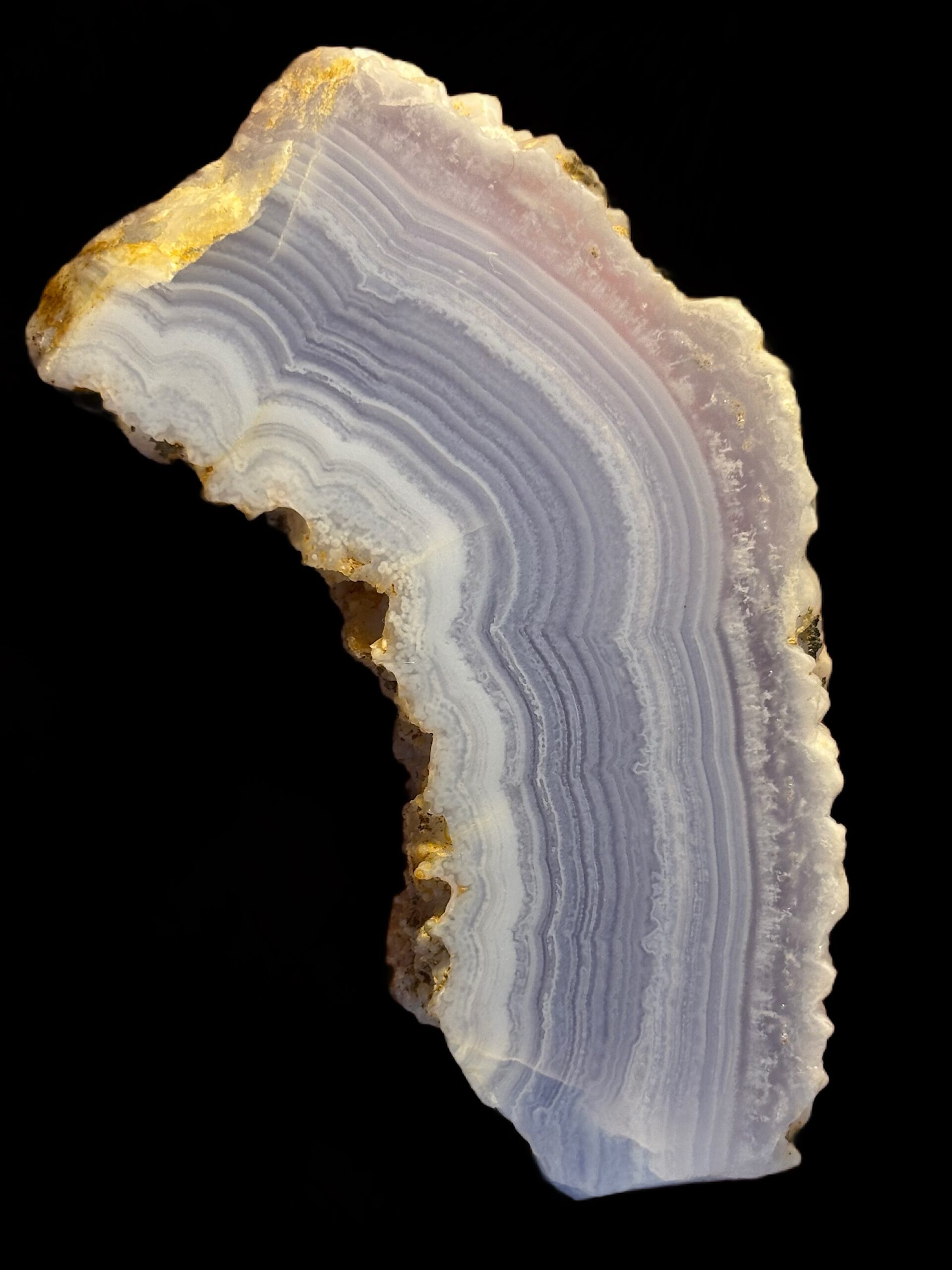
Where the agates come from
The Olympic Peninsula is built in part of ancient basalt lava (the Crescent Formation). As those flows cooled, silica filled their gas cavities to form agate and jasper; rivers later carried the freed stones to the sea, and the waves have been tumbling and polishing them ever since. That is why you don’t dig here — the ocean has already done the work, and simply resorts fresh gravel onto the beach with every storm.
When to go
Timing is everything. Work a falling tide down toward low water — a tide table is essential — and go after a winter storm has churned the beach and dumped fresh gravel. October through March is prime, when the biggest swells expose the most ground. The band of wet gravel near the waterline is where translucent agates glow best.
What you’ll find & how to spot it
Carnelian and red jasper are the most common; clear and banded agates turn up after big swells, along with the occasional bit of petrified wood. The trick is to learn the waxy, slightly translucent glow that sets agate apart from ordinary pebbles — wet a stone, or hold it up and backlight it against the sky: agate lets light through its edges, most beach rocks don’t.
You’ll find
- Agate (clear & banded)
- Red & yellow jasper
- Carnelian
- Occasional petrified wood
Access & the law
- Collect on public tidelands only — check Washington DNR maps.
- Personal-use quantities; no commercial harvest.
- Don’t cross private beach frontage without permission.
- Leave no trace; pack out litter.
How to hunt the beach
Walk slowly and scan the wet gravel just above the waterline and the fresh drift lines left by the last high tide. Many hunters crouch low so the sun rakes across the stones. There is no need for tools — a bag and patience are enough — but a small spray bottle lets you test a suspect pebble without walking back to the water.
Safety & the tide
The same storms that deliver agates make the shore hazardous. Always know the tide schedule and keep an eye on the incoming water so you don’t get cut off below a headland. Give drift logs a wide berth — a wave can shift a heavy log without warning — and take care on slick, weed-covered rock.
Nearby & related
Pair this with the broader Washington rockhounding guide, and the Olympic Peninsula clubs, whose field trips reach the best beaches. Read collecting ethics & the law before you go.
Frequently asked questions
Do I need any tools?
No — this is pure surface collecting. A mesh bag to hold and rinse finds is all you need; the ocean has already tumbled and polished the stones. Back home, learn how to clean your finds.
When is the best time to find agates?
On a falling tide toward low water, especially after a winter storm has churned fresh gravel onto the beach. October through March is prime.
How do I tell an agate from an ordinary pebble?
Wet it or backlight it: agate has a waxy translucence and lets light through its edges, while most beach rocks stay opaque.
Is it legal to collect here?
On public tidelands, personal-use collecting is generally allowed — check Washington DNR maps and don’t cross private beach frontage.
Is it safe?
Mind the tide so you aren’t cut off, stay clear of drift logs and slick rock, and don’t turn your back on the surf during storms.
Want polished stones without the tide tables?
Sponsored — partner shop · Minerals Kingdom
Written by The Field & Stone Editors. Informational only — verify access and legality locally before collecting. Published by KEVALEX Group.