 FIELD
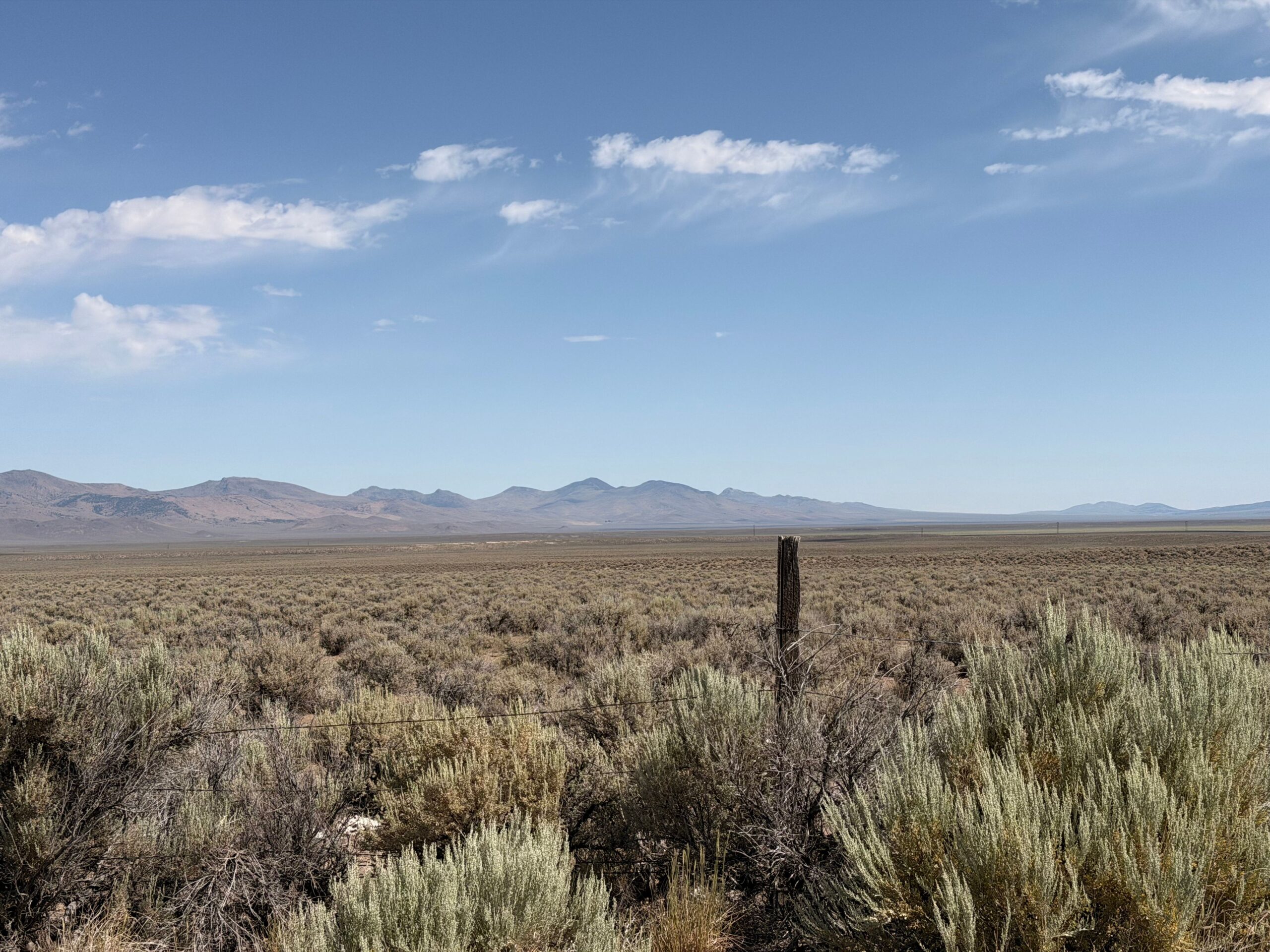
FIELD Rising from the west Utah desert, Topaz Mountain in the Thomas Range is one of the few places in the country where you can collect gem topaz for free on public land. Its trademark sherry-amber crystals weather out of the rhyolite by the thousands — and the mountain gives up amethyst, garnet and rare red beryl besides.
The geology behind the topaz
Topaz Mountain is built of rhyolite — a silica-rich volcanic rock that erupted here some six to seven million years ago. As the lava cooled, hot vapors deposited crystals in its gas cavities, or vugs. Topaz grew in those pockets, along with garnet, bixbyite, hematite and, rarely, red beryl. Over time the rock weathered and released the tough topaz crystals, which now wash into the gullies and collect in the loose soil below the cliffs.
The topaz that fades in the sun
Topaz Mountain crystals come out of the ground a warm sherry-amber — and here is their quirk: that color is photosensitive. Left in direct sunlight, amber Topaz Mountain topaz slowly fades to colorless, usually within days to weeks. It is not a flaw but a well-known trait of this locality. Most of the water-clear topaz you see from the mountain is simply amber material that has already been sun-bleached.
What you’ll find
The stones
- Topaz — sherry-amber (fades to clear)
- Amethyst — in seams and vugs
- Red beryl (bixbite) — very rare, the prize
- Garnet, bixbyite, hematite & pseudobrookite
Access & the law
- Most of the “Topaz Bowl” is free BLM public land — no permit or fee.
- Some ground is leased/private (a portion of the mountain, and red-beryl claims) — respect claim markers.
- Personal-use quantities; commercial collecting needs authorization.
Topaz is the headline find, but the mountain rewards a careful eye: purple amethyst turns up in the same rhyolite, dark bixbyite cubes perch in cavities, and — for the lucky few — flecks of raspberry-red beryl, one of the rarest gems on Earth, appear in the volcanic rock. Red beryl of gem quality mostly comes from nearby private claims rather than the free ground.
How to collect
Two approaches work here. The easiest is to surface-hunt the washes and gullies below the cliffs, where loose topaz collects after each storm — a screen helps sift it from the gravel. For crystals still in the rock, crack the rhyolite: tap likely vugs with a hammer and chisel to open the gas pockets. A rock hammer, chisel, screen, gloves and eye protection cover it.
Getting there
Topaz Mountain lies in remote Juab County, roughly 70 miles northwest of Delta, Utah, reached by paved then graded desert roads. The final stretch runs through a series of washes, so a high-clearance vehicle is strongly recommended. There are no services for many miles — carry water, fuel, food and a spare tire.
When to go
Plan for spring through fall. Summer is hot but accessible; winter can bring snow and mud to the desert roads. As always in the desert, early and late in the day are cooler and kinder for hunting.
Plan your trip
Pair this with the wider Utah rockhounding guide, and read collecting ethics & the law before you go.
Frequently asked questions
Can I collect topaz at Topaz Mountain for free?
Yes — most of the collecting area is free BLM public land with no permit required. Some ground is leased or claimed (including red-beryl claims), so watch for markers and stay on the public ground.
Why does the topaz turn clear?
The natural amber color is photosensitive and fades in sunlight, often within days. Store fresh finds out of the light if you want to keep the color.
Is red beryl really found here?
Yes, but it is extremely rare, and gem-quality red beryl mostly comes from nearby private claims rather than the free public ground.
What tools do I need?
A rock hammer and chisel to open rhyolite vugs, a screen for sifting the washes, plus gloves and eye protection.
Do I need a 4WD?
A high-clearance vehicle is strongly recommended for the final washes; conditions worsen when wet.
Want a cut topaz specimen?
Sponsored — partner shop · Minerals Kingdom
Written by The Field & Stone Editors. Informational only — verify land status, claims and access before collecting. Published by KEVALEX Group.