 FIELD
FIELD Rockhounding in Tennessee
Banded “paint rock” agate, the gemmy fluorite and calcite of the Elmwood mine, freshwater pearls and rich Paleozoic fossils — Tennessee’s geology runs from agate creeks to world-class mine specimens.
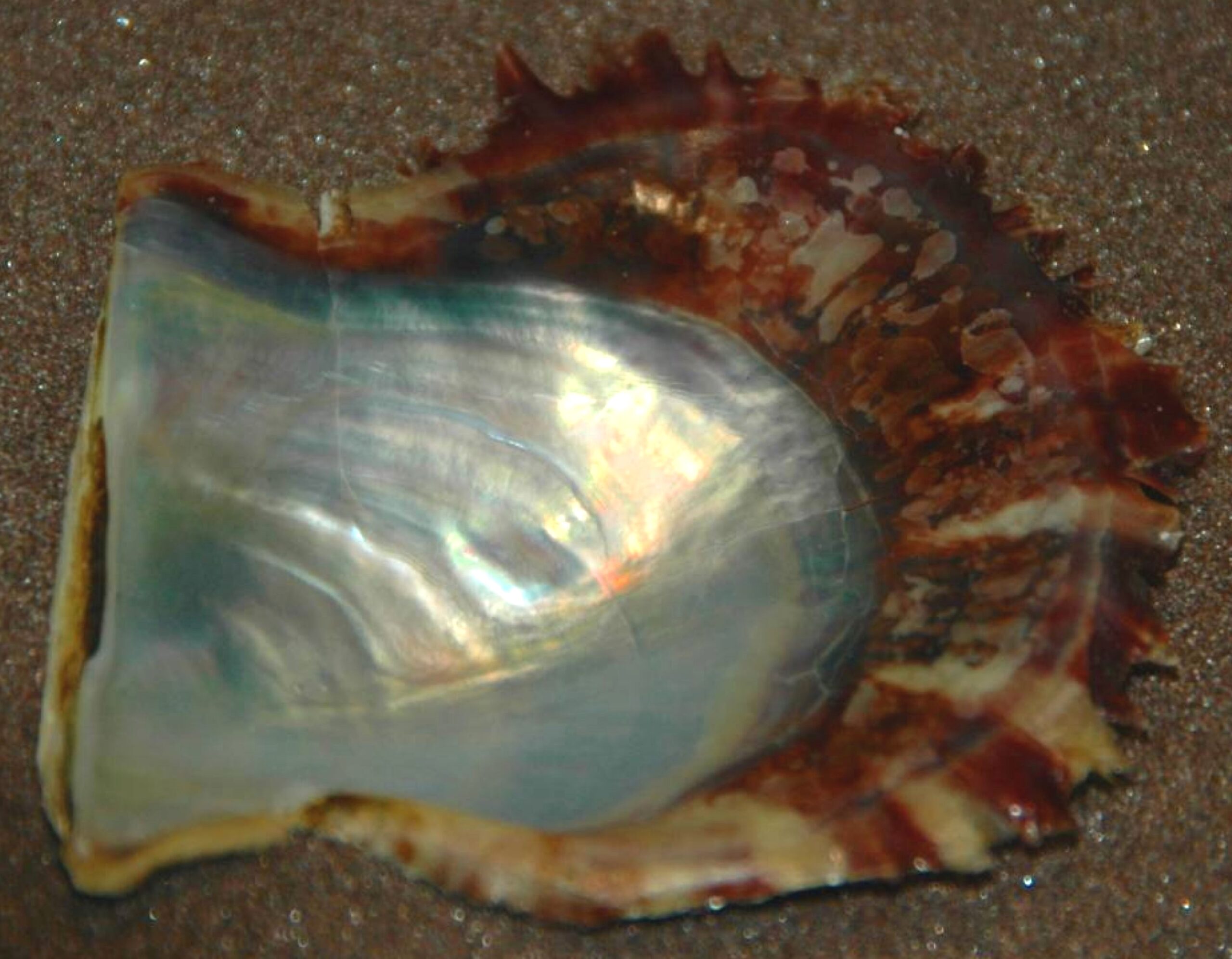
Tennessee stretches from the Appalachian ridges in the east to the Mississippi lowlands in the west, and its collecting is just as varied. The eastern paint rock agate is the state mineral; the Central Basin’s Elmwood district produced some of the world’s finest fluorite and sphalerite; and the rivers yield the freshwater pearls Tennessee made its state gem.
The geology behind the finds
In east Tennessee, silica filled cavities in Paleozoic limestone to form the red-and-grey banded paint rock agate. In the Central Basin, hydrothermal fluids deposited spectacular fluorite, calcite, sphalerite and barite in the Elmwood–Carthage mines — specimens now treasured by collectors worldwide. The state’s many limestones also hold abundant brachiopod, crinoid and coral fossils, and its rivers grow freshwater mussels.
What you’ll find
Classic Tennessee material
- Paint-rock agate — east Tennessee
- Fluorite, calcite, sphalerite, barite — Elmwood district (mostly mine specimens)
- Fossils — Paleozoic limestones
- Freshwater pearls
Before you go
- Elmwood specimens come through the trade — the mine isn’t open to public collecting.
- Agate creeks cross private land — get permission.
- Fossil collecting on roadcuts: stay safe and off active ROW.
- Featured dig: Paint Rock agate — the state rock.
- Read ethics & law first.
East Tennessee paint rock agate takes a fine polish and shows bold red banding. The Elmwood minerals are in a class of their own — purple and amber fluorite cubes on sparkling sphalerite — though they reach collectors via the specimen trade rather than field collecting. Fossils, by contrast, are easy and abundant across the state’s limestone country.
Where to go, region by region
East Tennessee — paint rock agate
The agate occurs in creeks and weathered limestone of the eastern counties. Most prime ground is private, so collecting means landowner permission or a club trip.
Central Basin — Elmwood country
The Elmwood / Carthage district produced world-class fluorite and sphalerite, but the mine is not open to public collecting — buy specimens at shows and shops.
Fossil country
The state’s Paleozoic limestones, exposed in roadcuts and quarries across Middle and East Tennessee, yield brachiopods, crinoids and corals.
When to go
Tennessee collecting is comfortable spring through fall, avoiding peak summer humidity. Lower creek levels in late summer and fall expose more agate-bearing gravel.
Gear & field tips
- For agate: walk the creek gravels and wet stones to spot the banding; a small pick helps in weathered limestone.
- For fossils: a flat chisel and safety glasses for splitting shaly limestone.
- Always confirm landowner permission before entering creeks or fields.
Rules & access
Tennessee’s best mineral district (Elmwood) is not public, and the agate creeks are largely private — so permission and clubs are the keys to access. Fossils are widely collectable from roadcuts and quarries with permission. Read our guide to collecting ethics & the law.
Clubs & shows
Southeast Federation clubs are active in Tennessee and can arrange access and field trips. The state hosts several gem & mineral shows — browse our clubs directory.
Want Elmwood fluorite or polished Tennessee agate?
Sponsored — partner shop · Minerals KingdomFrequently asked questions
Can I collect at the Elmwood mine?
No — Elmwood is a commercial operation not open to public collecting. Its famous fluorite and sphalerite specimens are sold through the mineral trade at shows and shops.
Where is Tennessee paint rock agate found?
In creeks and weathered limestone of east Tennessee. Most sites are on private land, so you’ll need landowner permission or a club connection.
What is Tennessee’s state gem?
The freshwater pearl, grown by mussels in the state’s rivers — a rare example of a U.S. state gem that’s organic rather than mineral.