 FIELD
FIELD Rockhounding in South Dakota
The prized Fairburn agate, Black Hills rose quartz, and gem pegmatites that once supplied the nation — South Dakota is one of the great prairie-and-mountain collecting states.
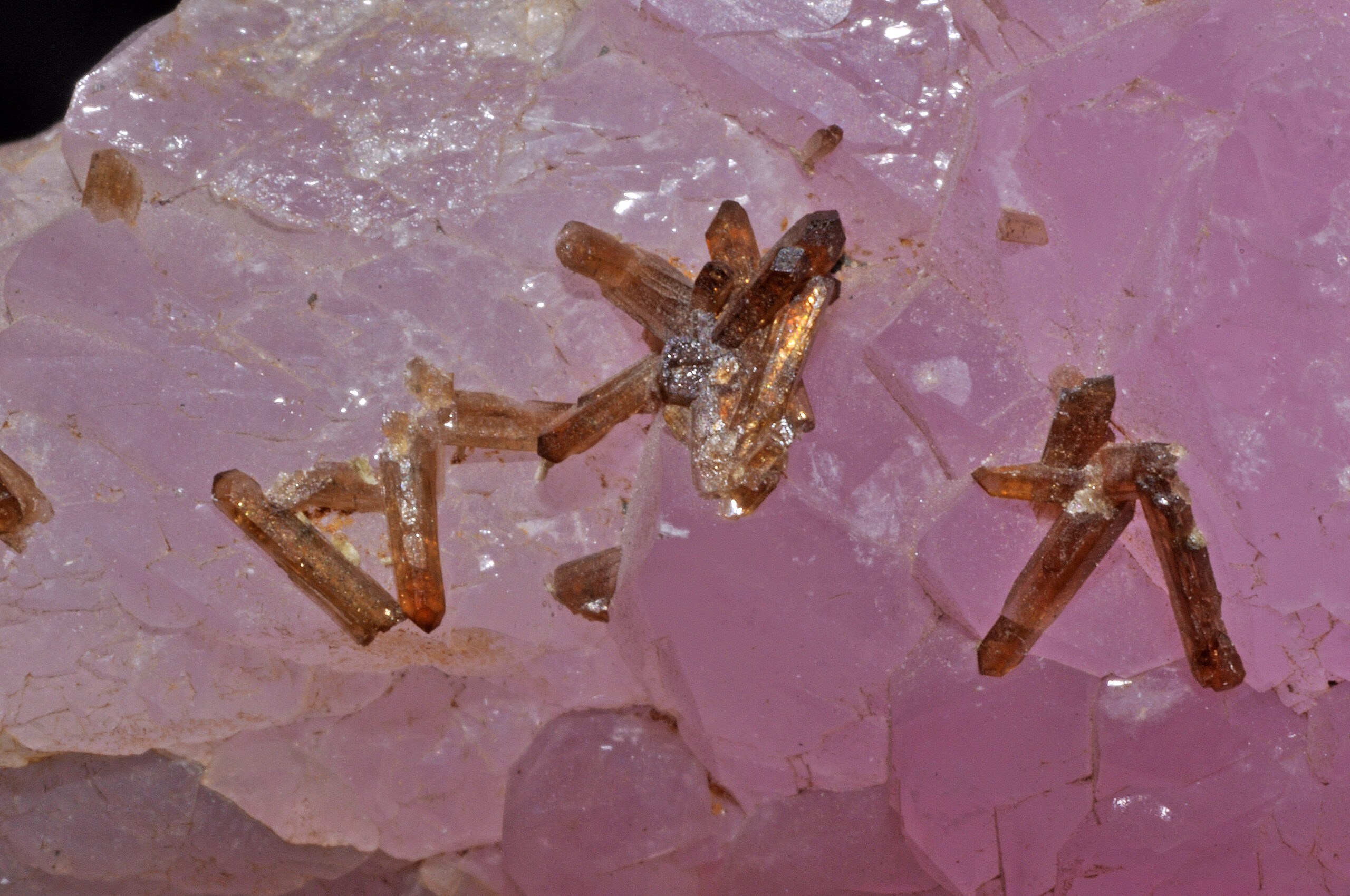
South Dakota’s signature stone is the Fairburn agate — a fortification-banded beauty so sought-after that a single fine specimen can be a collector’s pride. Beyond it, the Black Hills offer rose quartz, gem pegmatite minerals and a deep mining history, while the prairie grasslands hide agate for those willing to walk.
The geology behind the finds
The Fairburn agate weathered out of an ancient limestone formation and tumbled into the gravels of the prairie southeast of the Black Hills. The Black Hills themselves are a dome of ancient rock laced with pegmatites — the Etta and Hugo mines once produced giant spodumene crystals and supplied beryl, tourmaline, mica and the pink quartz that became the state mineral. The nearby Badlands preserve famous fossils, but collecting there is prohibited.
What you’ll find
Classic South Dakota material
- Fairburn & prairie agate — grasslands SE of the Black Hills
- Rose quartz — Black Hills
- Beryl, tourmaline, mica — pegmatites
- Teepee Canyon agate, jasper
Before you go
- Buffalo Gap National Grassland allows limited surface agate collecting (check current rules).
- Badlands NP: no collecting.
- Black Hills pegmatites are largely claimed/private.
- Read ethics & law first.
A true Fairburn shows tight, colourful “fortification” bands and holds its value like few American agates. Rose quartz from the Black Hills is the soft-pink state mineral, and the historic pegmatites mean fine beryl and tourmaline specimens circulate through the region’s shops and shows.
Where to go, region by region
The prairie — Fairburn agate beds
The grasslands southeast of the Black Hills (the Fairburn / Buffalo Gap National Grassland area) are the classic hunting ground for Fairburn and prairie agate. Surface-hunt the gravels; check current grassland collecting rules first.
The Black Hills
The Hills hold rose quartz, pegmatite minerals and Teepee Canyon agate. Much pegmatite ground is claimed, so collect on permitted public land or via clubs.
When to go
Late spring through fall is the window — prairie winters are harsh and the grasslands are best walked in mild, dry weather after rain has freshly exposed agate on the surface.
Gear & field tips
- For Fairburns: slow, methodical surface walking — they’re found, not dug. Low sun helps the bands catch the eye.
- Wet a suspect stone to judge banding and translucence.
- Carry water and watch for rattlesnakes and private-land boundaries on the prairie.
Rules & access
The national grassland permits limited personal-use surface collecting (verify current rules), while Badlands National Park strictly prohibits collecting. Black Hills pegmatites are mostly claimed or private. Confirm land status and read our guide to collecting ethics & the law.
Clubs & shows
Rocky Mountain Federation clubs are active here, and the region hosts agate-focused shows. A club is the best way to learn the prairie beds and legal Black Hills sites — see our clubs directory.
Want a banded agate or Black Hills rose quartz?
Sponsored — partner shop · Minerals KingdomFrequently asked questions
What makes a Fairburn agate special?
Its tight, colourful fortification banding and rarity. Good Fairburns are among the most prized agates in North America and hold strong collector value.
Where can I legally hunt Fairburns?
On parts of Buffalo Gap National Grassland that allow limited personal-use surface collecting — check current Forest Service rules — and never in Badlands National Park, where collecting is banned.
Can I collect Black Hills rose quartz?
Some material comes from claimed or private pegmatite ground, so collect only on permitted public land or through a club; rose quartz is also widely available at regional shops and shows.