 FIELD
FIELD Rockhounding in Rhode Island
Small but characterful: cumberlandite and apple-green bowenite give the Ocean State its own state rock and mineral — and Cumberland’s amethyst adds a touch of gem colour.
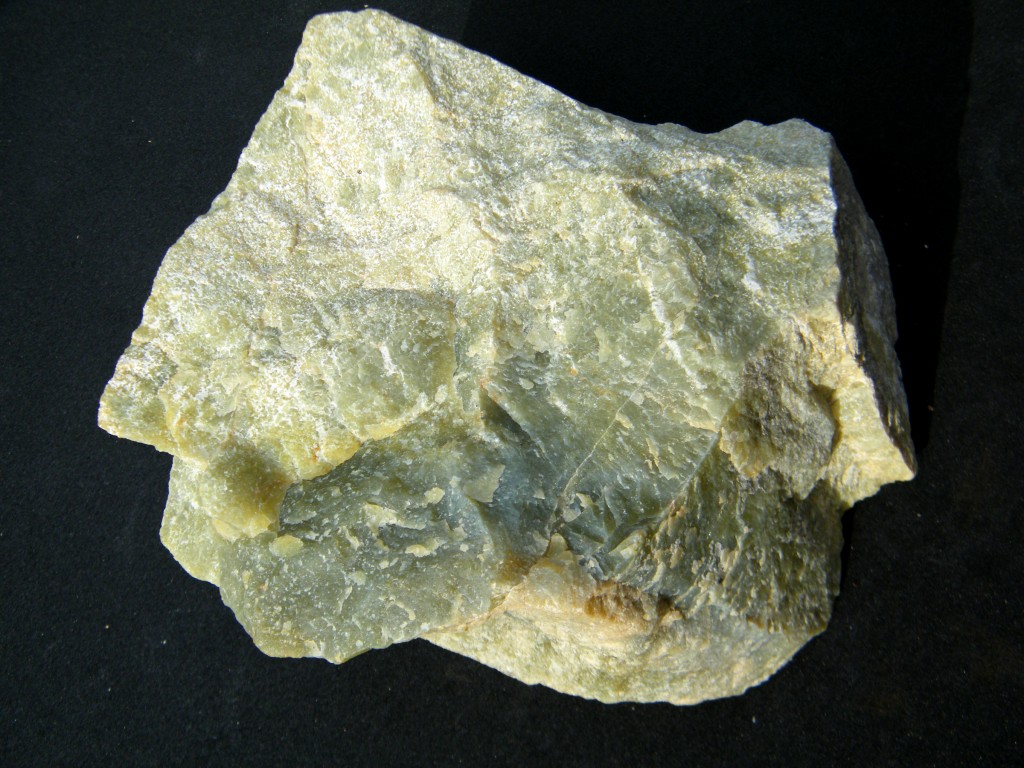
Rhode Island is the smallest state, and its rockhounding is modest — but distinctive. It has its own state rock and mineral found in quantity essentially only here: the iron-rich cumberlandite and the apple-green serpentine called bowenite. The Cumberland area adds amethyst and smoky quartz for a touch of gem colour.
The geology behind the finds
The unusual cumberlandite — a dark, magnetic, iron-and-titanium-rich rock — occurs at Iron Mine Hill in Cumberland and almost nowhere else, which is why Rhode Island made it the state rock. Bowenite, a hard, translucent green serpentine, comes from Conanicut Island and the Lincoln area and became the state mineral. The Cumberland district also produced amethyst and smoky quartz, and the state’s rocks add garnet, graphite and quartz.
What you’ll find
Classic Rhode Island material
- Cumberlandite (state rock)
- Bowenite serpentine (state mineral)
- Amethyst & smoky quartz — Cumberland
- Quartz, garnet, graphite
Before you go
- Key localities are limited & often protected — collect via clubs and with permission.
- Cumberlandite’s type locality has restrictions — confirm rules.
- Read ethics & law first.
Bowenite is the gem to chase — a tough green serpentine that takes a fine polish and was even used as a jade substitute. Cumberlandite is a geological curiosity unique to the state, and the Cumberland amethyst gives the small state a genuine touch of crystal colour.
Where to go, region by region
Cumberland
The Cumberland area is the home of cumberlandite (Iron Mine Hill) and the district’s historic amethyst and smoky quartz. Access at key sites is limited or protected, so confirm the rules and consider a club trip.
The serpentine localities
Bowenite comes from Conanicut Island and the Lincoln area — again, collect with permission where allowed.
When to go
Rhode Island collecting runs spring through fall, with spring good for fresh exposure after the winter freeze-thaw.
Gear & field tips
- For bowenite: it’s hard for a serpentine — test and look for the translucent green.
- Cumberlandite is magnetic — a magnet helps confirm it.
- Confirm access first; key sites are limited and sometimes protected.
Rules & access
Rhode Island’s signature localities are limited and partly protected, so permission and clubs are the way to collect responsibly. Read our guide to collecting ethics & the law.
Clubs & shows
Eastern Federation clubs in Rhode Island and southern New England know the accessible sites and rules. Browse our clubs directory.
Want bowenite or New England amethyst?
Sponsored — partner shop · Minerals KingdomFrequently asked questions
What is cumberlandite?
A dark, magnetic, iron-and-titanium-rich rock found in quantity essentially only at Cumberland, Rhode Island — which is why it’s the state rock.
What is bowenite?
A hard, translucent green serpentine (the state mineral), durable enough to be used as a jade substitute and prized for carving and cabbing.
Can I collect amethyst in Rhode Island?
The Cumberland district historically produced amethyst and smoky quartz, but access is limited — go through a club and confirm the current rules.