 FIELD
FIELD Rockhounding in Pennsylvania
Bright pyrite cubes, clear quartz, and some of the East’s finest Devonian trilobites — Pennsylvania’s folded Appalachians are a classic fossil-and-mineral mix.
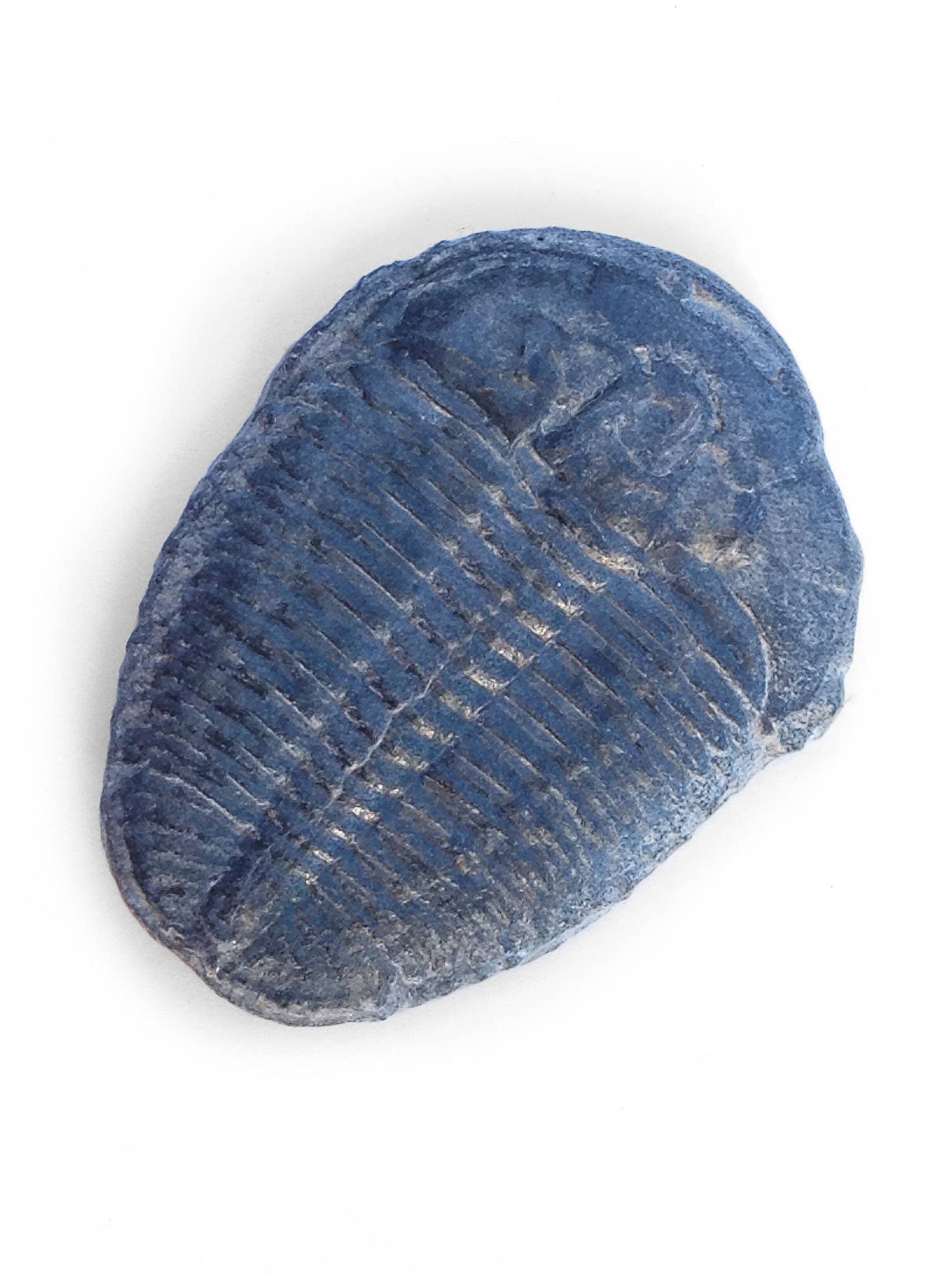
Pennsylvania’s long ridges and valleys were folded by the building of the Appalachians, and that crumpled geology gives rockhounds a rich variety: quartz crystals and pyrite in the mountains, garnet and serpentine in the southeast, and Devonian shales that yield trilobites prized across the country.
The geology behind the finds
The Devonian shales of central Pennsylvania (the Mahantango Formation and the famous Swatara Gap) preserve trilobites and brachiopods in fine detail. Fractured quartz veins and sedimentary pockets grew quartz crystals and pyrite, while the metamorphic southeast holds garnet, serpentine and corundum. The state’s anthracite and iron districts add their own mineral interest.
What you’ll find
Classic Pennsylvania material
- Quartz crystals — various localities
- Pyrite & marcasite
- Trilobites & brachiopods — Devonian shales
- Garnet, serpentine
Before you go
- Many classic roadcuts have access rules — never collect on active highway right-of-way unsafely.
- Quarries require permission or a club arrangement.
- Read ethics & law first.
The headline is fossils: split the right Devonian shale and complete trilobites emerge. Bright brassy pyrite cubes and clear quartz reward mineral collectors, and the serpentine “barrens” of the southeast hold their own specialties for those who seek them out.
Where to go, region by region
Central Pennsylvania — Devonian fossils
The shale roadcuts and exposures of the central ridges (including the well-known Swatara Gap area) are the place for trilobites and brachiopods. Collect weathered material safely off the active roadway, with permission.
The southeast Piedmont
Metamorphic rocks near Philadelphia and in the serpentine barrens hold garnet, serpentine and quartz at old quarries — access via clubs.
When to go
Pennsylvania collecting runs spring through fall. Spring is excellent, as freeze-thaw and rain break down shale exposures and refresh the fossil supply in roadcuts and creeks.
Gear & field tips
- For trilobites: a flat chisel to split shale along its layers, plus patience and a hand lens.
- For quartz and pyrite: a rock hammer and eye protection.
- Roadcut safety is paramount — high-visibility clothing, distance from traffic, and permission.
Rules & access
Many of Pennsylvania’s best sites are roadcuts and quarries with specific access and safety rules — collect only with permission and never unsafely on an active highway. State parks and forests have their own restrictions. Read our guide to collecting ethics & the law.
Clubs & shows
Eastern Federation clubs are very active in Pennsylvania and organise the quarry and roadcut trips that make access possible. Browse our clubs directory.
Want a Pennsylvania trilobite or quartz cluster?
Sponsored — partner shop · Minerals KingdomFrequently asked questions
Where can I find trilobites in Pennsylvania?
In the Devonian shales of central Pennsylvania, such as the Mahantango Formation and the Swatara Gap area. Collect weathered material safely off the roadway, with permission.
Is it legal to collect at roadcuts?
It depends on the road and owner — never collect unsafely on an active highway right-of-way, and get permission where required. Clubs often arrange safe, legal access.
What minerals does Pennsylvania offer besides fossils?
Quartz crystals, pyrite, garnet and serpentine, mostly from quarries and old localities accessed through clubs.