Cowee Valley Ruby & Sapphire Mines
The Cowee Valley near Franklin earned North Carolina its nickname, the “Gem Capital.” Here you buy a bucket of gravel, wash it through a flume, and pick out ruby and sapphire — two colors of the same mineral, corundum. It’s one of the easiest and most family-friendly gem hunts in the country, with one important thing to understand first.
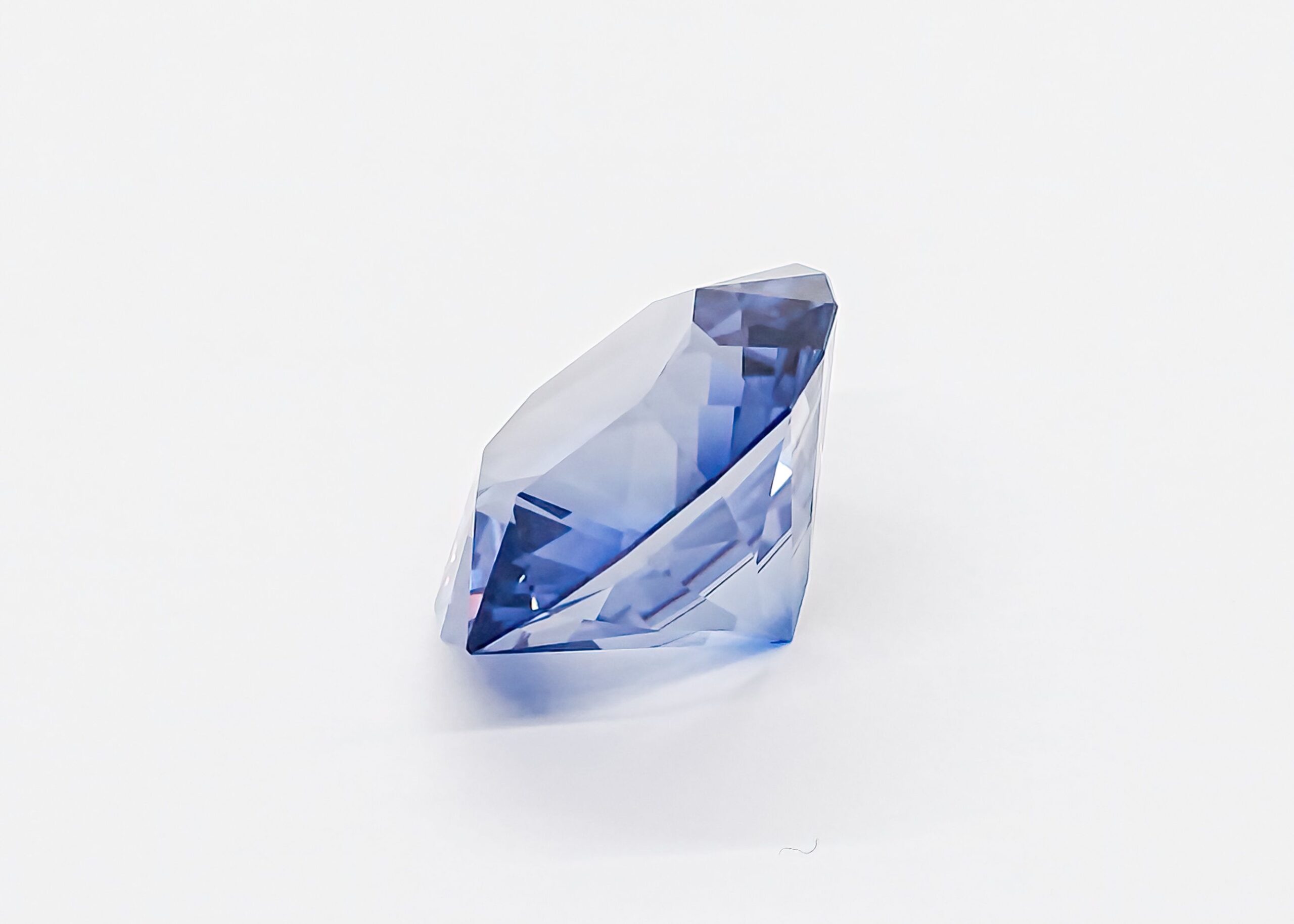
The gems of Cowee Valley
The prize is corundum, the mineral that is ruby when red and sapphire in every other color — blue, pink, purple, grey and beyond. The valley’s streams also yield rhodolite garnet, moonstone and other stones. Some corundum here shows a six-rayed star when cut as a cabochon. North Carolina has a genuine corundum heritage — this district was mined commercially over a century ago.
Native vs. enriched — read this first
This is the one thing to sort out before you pay. Mines come in two kinds. Native (unsalted) mines let you wash only local material dug on site — finds are sparser, but everything you get truly came from the valley. Enriched (salted) mines mix in gem gravel and rough brought from elsewhere so buckets “guarantee” colorful finds. Neither is dishonest if disclosed — but for authentic Cowee Valley stones, ask specifically for a native mine.
What you’ll find
The gems
- Ruby — red corundum
- Sapphire — blue, pink & other colors
- Star ruby & star sapphire (cut to reveal)
- Rhodolite garnet & moonstone
Access & the law
- Fee-dig flume mines — buy buckets, keep what you find.
- Know whether a mine is native or enriched before paying.
- On-site experts help identify stones; cutting & setting often available nearby.
How it works
You buy one or more buckets of gravel, carry them to the covered flume line, and wash the dirt away in a screen box under running water. Then you sort the concentrate by eye, pulling out the heavy, colorful stones. No tools, no digging, no experience needed — it’s a shaded, seated activity that suits all ages.
Getting there
The mines cluster in the Cowee Valley a few miles north of Franklin, in Macon County, in the mountains of far western North Carolina. They are well signed and easy to reach; Franklin itself has gem shops, cutters and a gem museum.
When to go
Most mines run spring through fall, roughly April to October, and are busiest in summer. The mountain setting stays pleasant; confirm each mine’s dates and hours before you go.
Plan your trip
Pair this with the wider North Carolina rockhounding guide, and read collecting ethics & the law before you go.
Frequently asked questions
What’s the difference between ruby and sapphire?
They’re the same mineral, corundum. Red corundum is called ruby; every other color — blue, pink, purple and so on — is sapphire.
What does “native” vs “enriched” mean?
Native (unsalted) mines wash only local gravel dug on site; enriched (salted) mines add gem material from elsewhere to guarantee finds. For authentic local stones, choose a native mine.
Do I keep what I find?
Yes — you pay for buckets and keep every stone you wash out, native or enriched.
Do I need tools or experience?
None. The mine provides the screen and flume; washing and sorting gravel is simple and suits all ages.
Can I get my stones cut?
Yes — Franklin has cutters and jewelers who can facet or set your finds, and shops that will identify them.
Want a cut sapphire or ruby?
Sponsored — partner shop · Minerals Kingdom
Written by The Field & Stone Editors. Informational only — confirm mine type (native/enriched), access and fees before visiting. Published by KEVALEX Group.
 FIELD & STONE
Field & Stone is the American rockhounding field guide — where to find rocks, minerals and fossils across all fifty states. Real localities, the best seasons, collecting law and the rock & gem clubs that keep the craft alive, from the Olympic Peninsula agate beaches to the diamond fields of Arkansas.