 FIELD
FIELD Rockhounding in New Mexico
Historic turquoise, the blue smithsonite of the Kelly Mine, fire agate and Apache tears — the Land of Enchantment is a desert mineral state best worked in the cooler months.
New Mexico’s mineral story is written in copper and fire. Copper-rich solutions moving through the desert ranges left turquoise and the famous blue smithsonite of the Kelly Mine; volcanic eruptions scattered obsidian “Apache tears,” fire agate and chalcedony. Much of it lies on BLM land you can collect within limits — if you plan around the heat and know the claims.
The geology behind the finds
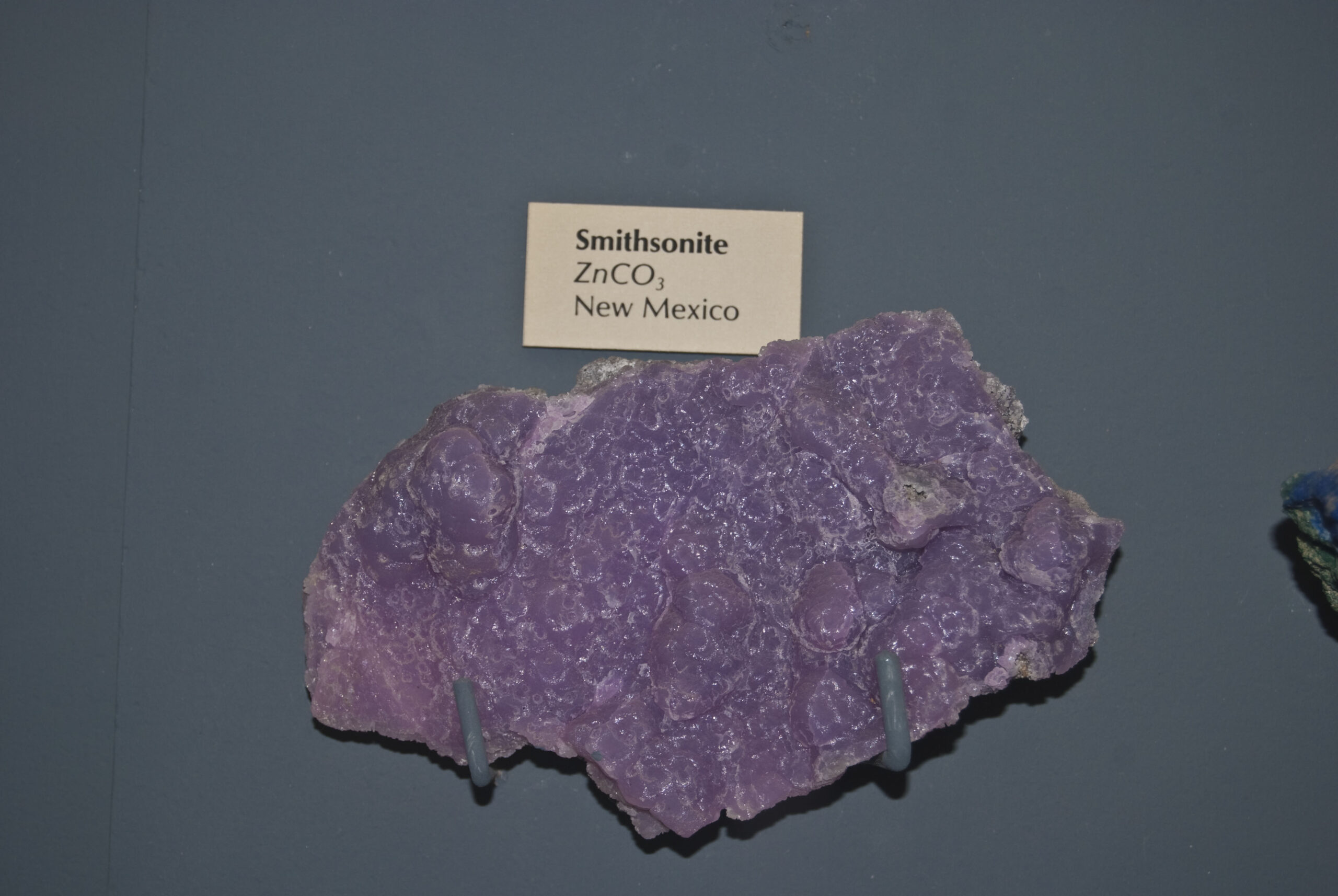
New Mexico’s copper districts produced turquoise — the Cerrillos hills were worked for it long before European contact — and, at the Kelly Mine near Magdalena, gem-grade blue-green smithsonite (a zinc carbonate) prized by collectors worldwide. Separately, the state’s young volcanic country yields fire agate, chalcedony, obsidian and peridot, while broad gravels carry agate and petrified wood.
What you’ll find
Classic New Mexico material
- Turquoise — Cerrillos historic district
- Smithsonite — Kelly Mine (Magdalena), blue-green
- Fire agate, chalcedony & jasper
- Apache tears (obsidian), peridot
Before you go
- Historic mining districts mix private claims and public ground — confirm status.
- BLM rockhound areas allow personal-use collecting.
- Desert heat & remoteness — carry water and tell someone your plan.
- Read ethics & law first.
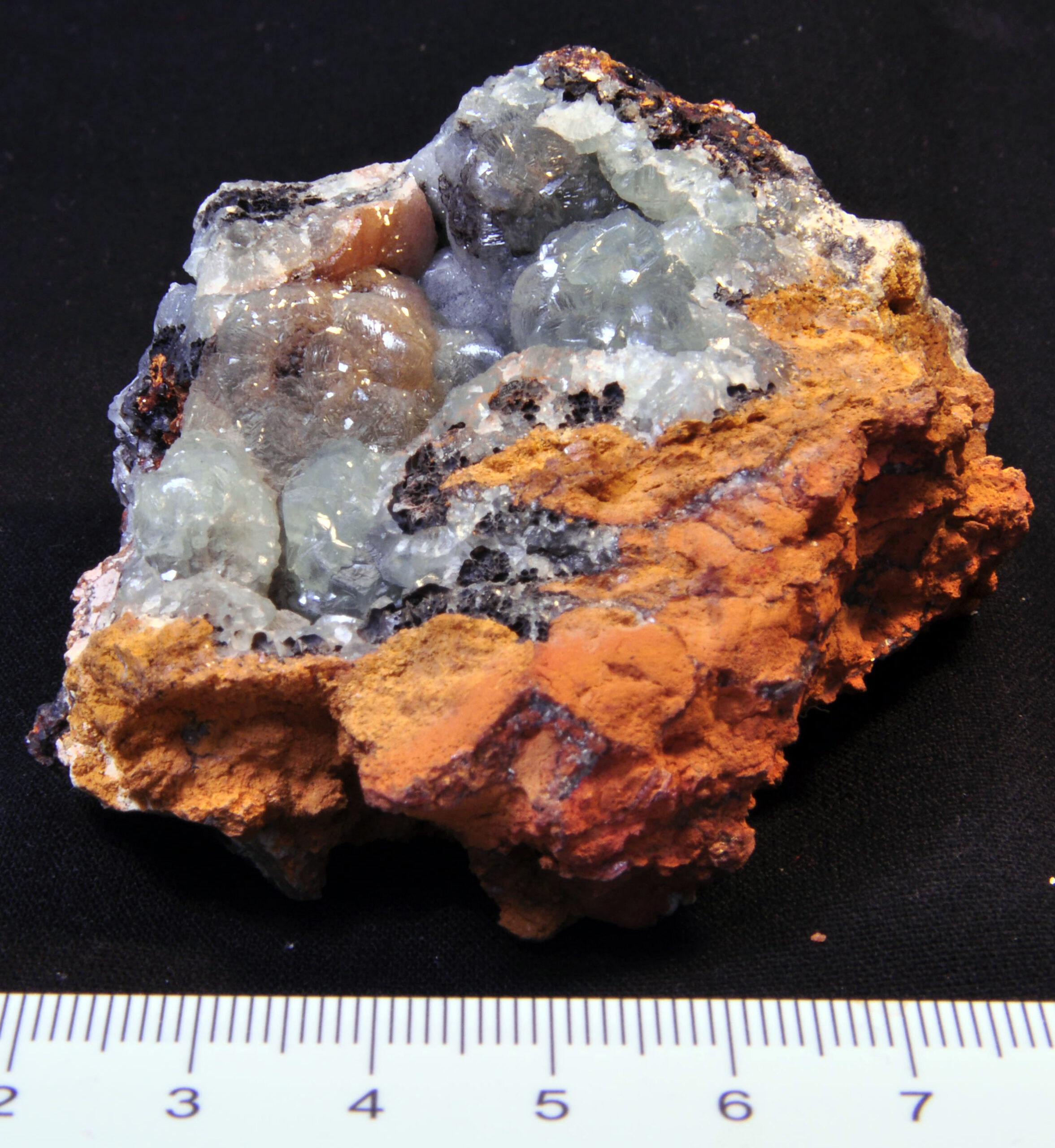
New Mexico turquoise ranges from sky blue to green with dark matrix, and the Kelly Mine smithsonite — a glowing blue-green botryoidal crust — is one of the most distinctive American minerals. Add easy surface finds like Apache tears and chalcedony, and the state suits both the specimen collector and the casual hunter.
Where to go, region by region
Magdalena & the Kelly Mine
The Kelly Mine near Magdalena is the classic source of gem blue smithsonite. Access is controlled — historically via a fee/permission arrangement — so check current status before visiting.
Cerrillos & the turquoise districts
The Cerrillos hills south of Santa Fe were mined for turquoise for centuries; most ground is now private or claimed, so collecting means permission or buying locally.
Southwest desert
BLM areas in the southwest hold fire agate, chalcedony and Apache tears for personal-use collecting. Specific localities to detail in future updates.
When to go
New Mexico’s deserts are best in fall and spring — summer heat is severe at lower elevations. Higher country around Magdalena is more forgiving and extends the season at both ends.
Gear & field tips
- Sun protection, ample water and a vehicle for rough desert tracks.
- For fire agate and chalcedony, wet stones to judge quality; the fire shows once cut and polished.
- Carry a land-status map — New Mexico mixes BLM, state trust, tribal and private land.
Rules & access
BLM rockhound areas welcome personal-use collecting, but the historic mining districts are a patchwork of claims and private ground — the Kelly Mine and Cerrillos turquoise are not free-for-all sites. State trust land needs a permit, and tribal land requires tribal permission. Confirm status and read our guide to collecting ethics & the law.
Clubs & shows
New Mexico clubs run cooler-season trips and can arrange access to otherwise-private sites. Browse our clubs directory.
Want New Mexico turquoise or smithsonite?
Sponsored — partner shop · Minerals KingdomFrequently asked questions
Can I collect turquoise at Cerrillos?
Mostly no — the historic Cerrillos turquoise ground is private or claimed. Arrange permission or buy locally rather than assuming open access.
What is Kelly Mine smithsonite?
A glowing blue-green zinc carbonate from the Kelly Mine near Magdalena — one of the most prized American mineral specimens. Access to the site is controlled, so confirm current arrangements.
What’s an easy New Mexico find for beginners?
Apache tears (small obsidian nodules) and chalcedony are common surface finds on BLM desert ground.
Informational only — confirm access and the law with the managing agency before collecting. Written by The Field & Stone Editors · Published by KEVALEX Group.