 FIELD
FIELD Rockhounding in New Jersey
Franklin and Sterling Hill — “the Fluorescent Mineral Capital of the World.” New Jersey’s old zinc deposits glow red and green under ultraviolet light like nowhere else on Earth, and you can still collect them.
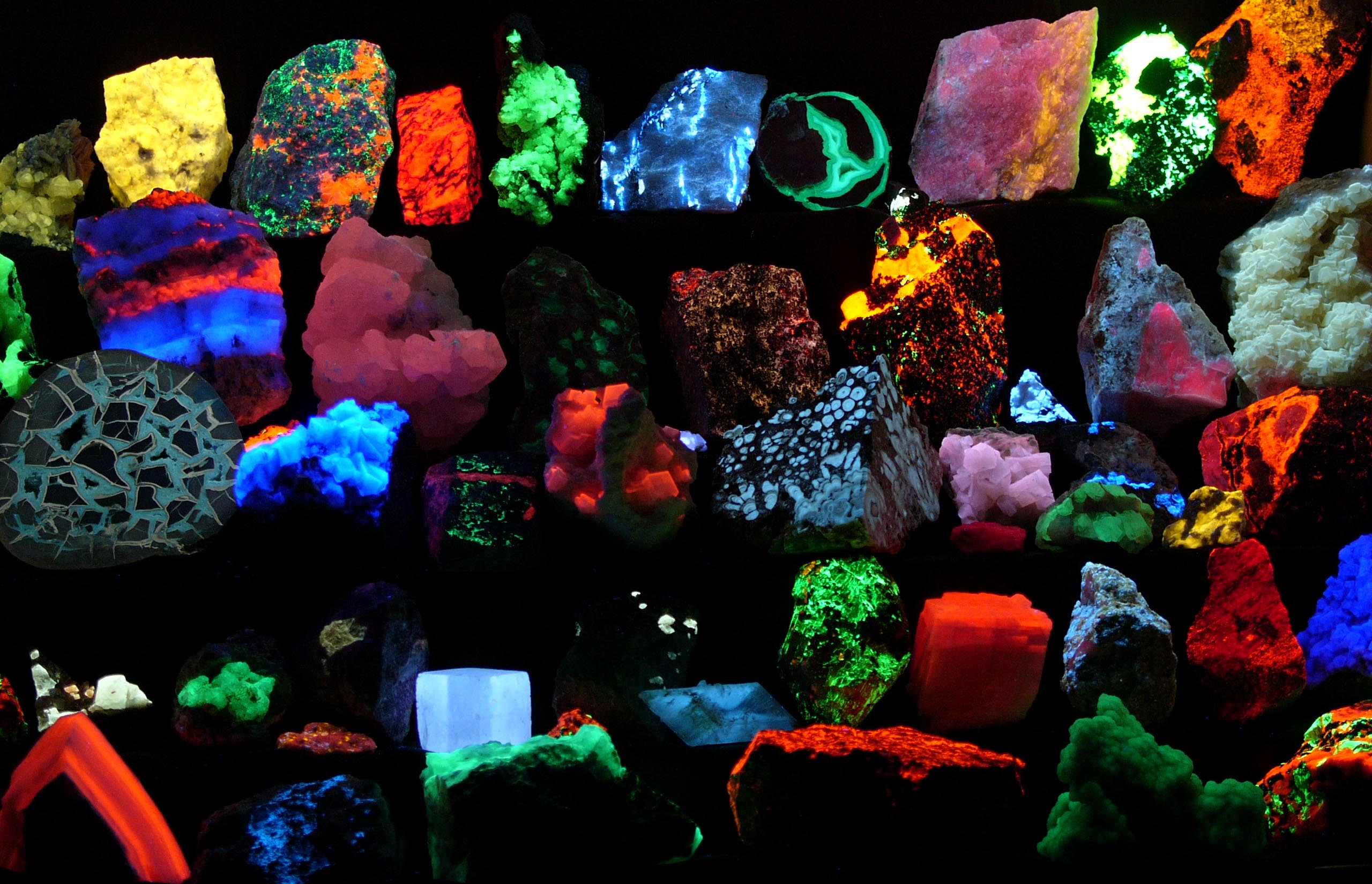
New Jersey may be small, but it holds one of the most extraordinary mineral deposits on the planet. The zinc ores of Franklin and Sterling Hill yielded more than 350 mineral species — dozens of which fluoresce in brilliant colours under ultraviolet light. For a rockhound, it’s a bucket-list destination, and unlike most historic mines, you can still legally collect here.
The geology behind the finds
The Franklin–Sterling Hill orebodies formed about a billion years ago when zinc-rich fluids were trapped and then metamorphosed in marble. The result was a unique assemblage — franklinite, willemite and zincite — and a stunning array of fluorescent minerals, above all the green-glowing willemite and red-glowing calcite. Elsewhere, the basalt “traprock” of northern New Jersey hosts prehnite, datolite and zeolites in old quarries.
What you’ll find
Classic New Jersey material
- Franklinite, willemite, zincite
- Fluorescent calcite (red/green glow under UV)
- Prehnite, datolite & zeolites — traprock quarries
- Quartz — incl. Cape May “diamonds”
Before you go
- The Franklin Mineral Museum runs fee collecting on the mine dumps.
- Sterling Hill Mining Museum offers tours & collecting events.
- Bring a UV lamp (shortwave) to see the fluorescence.
- Read ethics & law first.
By daylight, Franklin’s minerals look like ordinary grey and brown rock. Switch on a shortwave UV lamp in the dark and the same stones blaze in red, green and orange — a transformation that has captivated collectors for generations. The traprock quarries add gemmy prehnite and zeolite specimens for those who arrange access.
Where to go, region by region
Franklin & Sterling Hill (Sussex County)
The twin museums are the heart of New Jersey rockhounding. The Franklin Mineral Museum maintains a collecting dump where, for a fee, you fill a bucket and hunt fluorescent material; the Sterling Hill Mining Museum offers underground tours and special dig days.
The traprock quarries (north Jersey)
Old basalt quarries around Paterson and Prospect Park produced famous prehnite, datolite and zeolites — access is restricted, so go through clubs or organised trips.
Cape May
The beaches at Cape May Point yield clear quartz pebbles known as “Cape May diamonds.”
When to go
New Jersey collecting runs spring through fall, with the Franklin dump and Sterling Hill events scheduled across the warm season. Fluorescent collecting is best appreciated after dark or in the museums’ dark rooms, so plan accordingly.
Gear & field tips
- A quality shortwave UV lamp is essential to find and sort fluorescent material (and to enjoy it at home).
- Gloves and eye protection for breaking dump rock; UV safety glasses for shortwave lamps.
- Label your finds — many Franklin species look identical in daylight.
Rules & access
Unusually for a historic district, New Jersey offers legal, organised collecting at the Franklin and Sterling Hill museums — pay, collect, keep. The traprock quarries are private and require club access. Read our guide to collecting ethics & the law.
Clubs & shows
Eastern Federation clubs are very active here, and Franklin hosts renowned mineral shows (including fluorescent-mineral events). Browse our clubs directory.
Want a glowing Franklin fluorescent specimen?
Sponsored — partner shop · Minerals KingdomFrequently asked questions
Can I still collect at Franklin, New Jersey?
Yes — the Franklin Mineral Museum runs a fee collecting dump, and the Sterling Hill Mining Museum holds collecting events. Both are open to the public.
Why are Franklin minerals famous?
The deposit produced an unmatched number of mineral species, many of which fluoresce vividly under ultraviolet light — earning Franklin the title “Fluorescent Mineral Capital of the World.”
Do I need a UV lamp?
To get the most out of New Jersey’s fluorescent minerals, yes — a shortwave UV lamp reveals the glow that makes these specimens special.