 FIELD
FIELD Rockhounding in New Hampshire
The Granite State earns its name: smoky quartz from Moat Mountain, beryl and amethyst, and the historic pegmatite mines that supplied mica and feldspar to a nation.
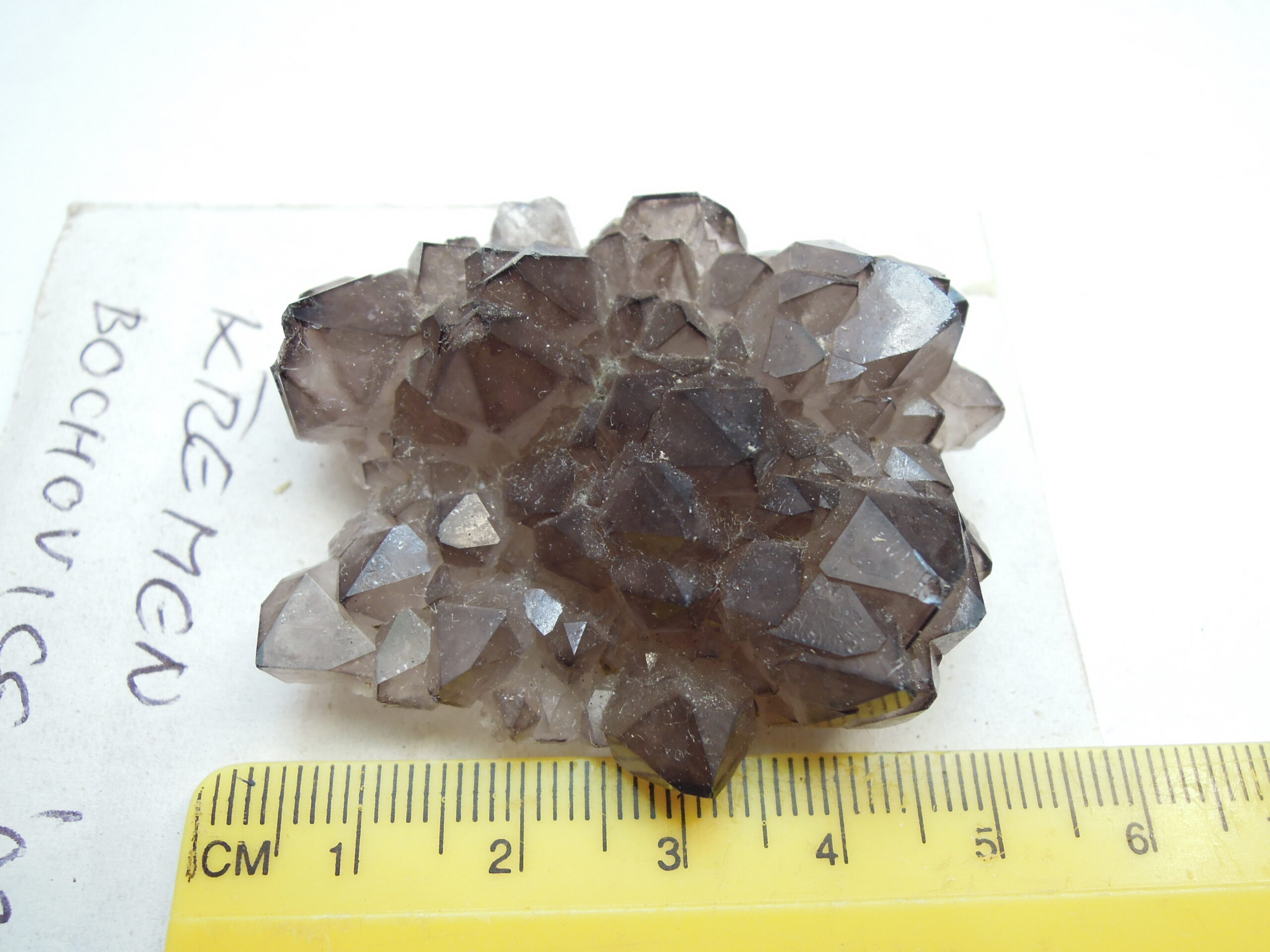
New Hampshire’s nickname is no accident — granite and its coarse cousin, pegmatite, define the state’s rockhounding. Smoky quartz weathers from the White Mountain granite, beryl and amethyst occur in the pegmatites, and historic mines like Ruggles once supplied mica and feldspar across the country. Best of all, there are public and fee sites where anyone can dig.
The geology behind the finds
The White Mountain granite cooled with miarolitic pockets that grew smoky quartz, topaz and amethyst — Moat Mountain near North Conway is the classic example. Granitic pegmatites across the state crystallised large beryl, mica and feldspar, along with rare phosphate minerals (the Palermo mine is world-famous among phosphate collectors). The state’s metamorphic rocks add garnet and staurolite.
What you’ll find
Classic New Hampshire material
- Smoky quartz — Moat Mountain area
- Beryl & amethyst — pegmatites
- Feldspar, mica, garnet
- Rare phosphates (e.g. Palermo)
Before you go
- Moat Mountain has a designated collecting area (check WMNF rules).
- Historic mines (e.g. Ruggles) have varied access — confirm current status.
- Read ethics & law first.
Smoky quartz from Moat Mountain is the headline — clear to deep brown crystals weathering from the granite. The pegmatites add gemmy beryl, purple amethyst and, for the specialist, the rare phosphates that make New Hampshire a serious mineral-collecting destination.
Where to go, region by region
Moat Mountain (near North Conway)
A designated collecting area in the White Mountain National Forest for smoky quartz (and sometimes amethyst and topaz). Check current Forest Service rules and boundaries before you dig.
The pegmatite mines
Historic mines such as Ruggles (Grafton) and the phosphate-famous Palermo produced beryl, mica, feldspar and rare minerals. Access varies — confirm current status and any fee or club requirement.
When to go
New Hampshire rockhounding is a summer pursuit — roughly June through September. Snow lingers in the White Mountains, and the granite and pegmatite sites are best worked in warm, dry weather.
Gear & field tips
- For Moat Mountain: hand tools and a screen for the decomposed granite; follow the posted rules.
- For pegmatites: a rock hammer and eye protection; look for crystal pockets in the coarse rock.
- Bring insect protection — the summer woods are buggy.
Rules & access
New Hampshire offers a rare combination for the Northeast: a public collecting area at Moat Mountain (under Forest Service rules) plus historic fee/club-access pegmatite mines. Confirm current rules before each visit. Read our guide to collecting ethics & the law.
Clubs & shows
Eastern Federation clubs run trips to the granite and pegmatite sites, and New Hampshire hosts well-known mineral shows. Browse our clubs directory.
Want New Hampshire smoky quartz or beryl?
Sponsored — partner shop · Minerals KingdomFrequently asked questions
Where can I dig in New Hampshire?
Moat Mountain near North Conway has a designated collecting area for smoky quartz in the White Mountain National Forest — check current Forest Service rules first.
Can I visit the Ruggles Mine?
Ruggles is a historic pegmatite mine whose public access has varied over the years; confirm its current status and any fee before planning a visit.
What is New Hampshire’s state gem?
Smoky quartz — the brown-to-clear crystals that weather from the White Mountain granite.