 FIELD
FIELD Rockhounding in Nebraska
Prairie agate, the blue-grey chalcedony Nebraska made its state gem, and jasper — Nebraska’s badlands and gravels are quiet but rewarding agate country.
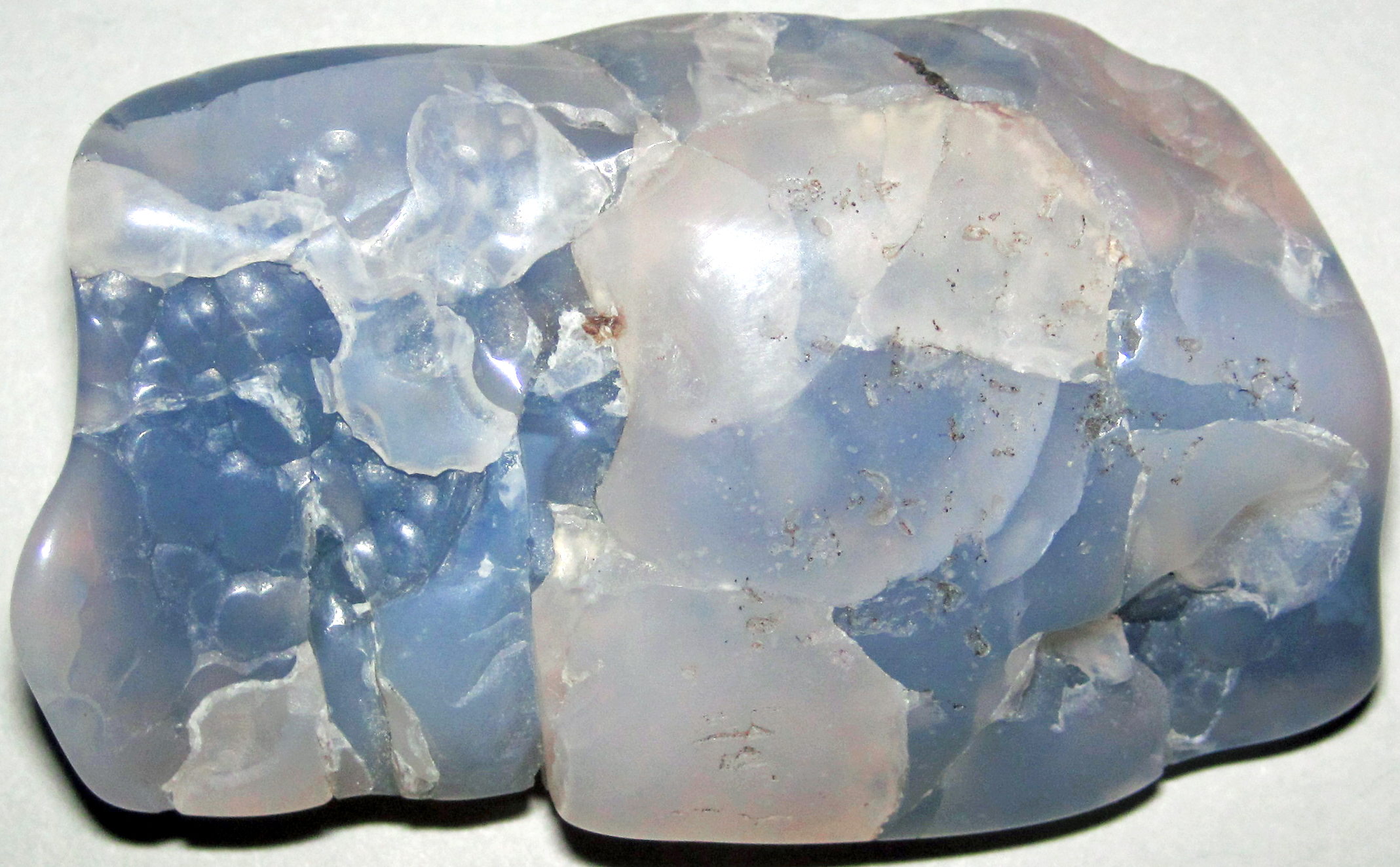
Nebraska doesn’t shout about its rockhounding, but the western prairies and badlands quietly deliver. The state made blue agate — a soft blue-grey chalcedony — its state gem, and the gravels and outcrops of the panhandle yield prairie agate, chalcedony and jasper for those willing to walk. Much of it is ranchland, so permission is the key.
The geology behind the finds
Western Nebraska’s High Plains sediments and the badlands of the panhandle expose agate and chalcedony that weathered from volcanic ash and silica-rich beds. The result is prairie agate (often Fairburn-style fortification banding), the blue chalcedony of the state gem, and jasper. The same beds are rich in fossils, though the famous Agate Fossil Beds are protected from collecting.
What you’ll find
Classic Nebraska material
- Blue & prairie agate
- Chalcedony & jasper
- Petrified wood & fossils
Before you go
- Most ground is private ranchland — ask first.
- Agate Fossil Beds NM: no collecting (observe only).
- Read ethics & law first.
Nebraska prairie agate can show surprisingly fine banding, and the state-gem blue agate is a soft, translucent chalcedony popular for cabbing. These are surface finds for the patient walker, gathered from the gravels and weathered outcrops of the western counties.
Where to go, region by region
The panhandle & western prairies
The badlands and gravels of western Nebraska are the place for prairie agate, blue agate and jasper. Nearly all of it is private ranchland, so permission is essential before you collect.
What to skip
Agate Fossil Beds National Monument is for observing the famous Miocene fossils — collecting is prohibited there.
When to go
Nebraska collecting is best in spring and fall — summer heat is severe on the open plains. Rain freshly exposes agate on the surface, but always plan around the ranching calendar and get permission.
Gear & field tips
- Surface-hunt slowly; low-angle sun helps the agate’s translucence catch your eye.
- Wet a suspect stone to judge banding and quality.
- Carry water, watch for rattlesnakes, and respect fences and ranch boundaries.
Rules & access
Nebraska’s agate ground is overwhelmingly private, so landowner permission is the rule, and the national monument prohibits collecting. Read our guide to collecting ethics & the law before you head out.
Clubs & shows
Rocky Mountain Federation clubs are active in the region and can connect you with ranch access and field trips. Browse our clubs directory.
Want a banded prairie or blue agate?
Sponsored — partner shop · Minerals KingdomFrequently asked questions
What is Nebraska’s state gem?
Blue agate — a soft blue-grey chalcedony found in the western part of the state and popular for cabbing.
Where can I legally collect agate in Nebraska?
On private ranchland with the owner’s permission. Never collect in Agate Fossil Beds National Monument, where it’s prohibited.
Is prairie agate the same as Fairburn?
It’s closely related — Nebraska’s prairie agate can show the same fortification banding as the famous Fairburn agate of the neighbouring Dakotas.