 FIELD
FIELD Tucked into the Evans Notch country of western Maine, Deer Hill in Oxford County is a long-loved collecting spot for amethyst and smoky quartz on national forest land. It sits in Maine’s famous gem-pegmatite belt, and casual hand digging has traditionally been allowed for personal use under Forest Service rules. Those rules and any permit requirements can change, so confirm current regulations before you dig.
The geology behind Maine’s gems
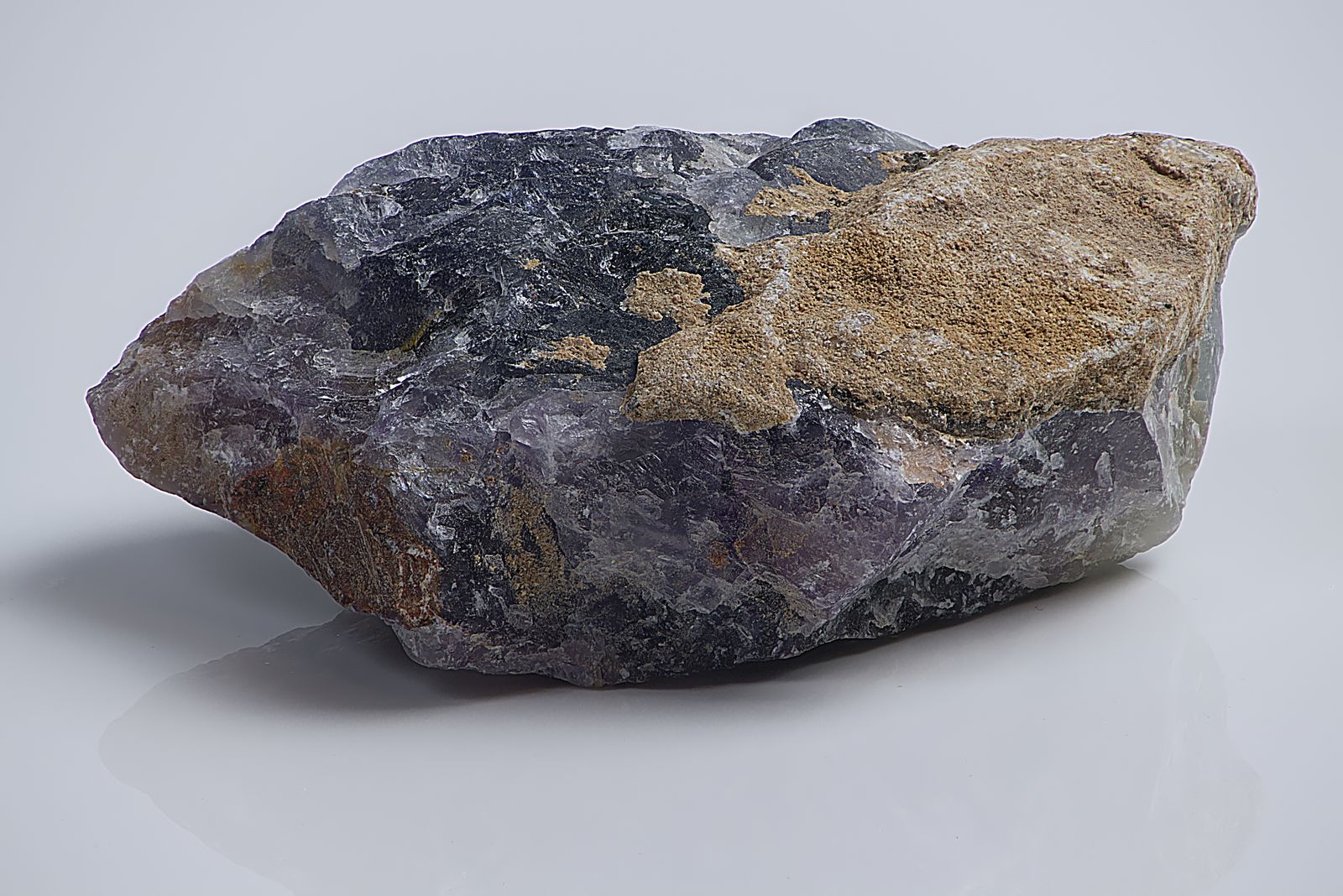
Western Maine is one of America’s classic pegmatite provinces — coarse granite bodies where slow crystallization grew large, gem-quality crystals and concentrated unusual elements. In the Deer Hill area, quartz took on both the purple of amethyst and the brown of smoky quartz, found in seams and pockets in the granite and in the loose soil weathered from it. The same belt is renowned across Oxford County for tourmaline, feldspar and other gem minerals, and Deer Hill is its accessible, forest-service face for the casual collector.
What you’ll find
The minerals
- Amethyst — purple quartz
- Smoky quartz crystals
- Clear quartz and feldspar
- Occasional pocket clusters
Access & the law
- National forest land — casual hand collecting for personal use has been allowed.
- Hand tools only; rules, limits and permits can apply and change.
- Confirm current Forest Service regulations before you dig.
How collecting works
Deer Hill is a hand-dig and screen site: collectors work the soil, seams and old diggings with simple tools, sifting for amethyst and smoky quartz. Bring a hand shovel or trowel, a screen, a rock pick, gloves, water and containers. Forest Service areas typically limit collecting to hand tools and personal-use amounts — no power equipment or explosives — so keep it casual and low-impact. It is pleasant work in cool mountain woods, but the terrain is uneven, so wear sturdy boots and watch your footing.
Access, rules & stewardship
Because Deer Hill is on national forest land, collecting is a privilege governed by Forest Service rules that can change year to year. Historically, casual mineral collecting for personal use has been permitted with hand tools, but there may be designated areas, seasonal limits or permit requirements. Check the current regulations with the White Mountain National Forest before you go, fill your holes, pack out trash and leave the site better than you found it so access stays open for the next collector.
Maine amethyst country
Oxford County is hallowed ground for American gem collectors, and Deer Hill has long been part of that story as a spot where ordinary visitors — not just commercial miners — can dig their own amethyst and smoky quartz. The finds range from small purple points to occasional richer pieces, and the setting, deep in the White Mountain forest near Evans Notch, is a large part of the appeal. That mix of genuine gem material and public access is why Deer Hill remains a New England favorite.
Getting there
The site lies in the Evans Notch area along the Maine–New Hampshire border, reached via ME-113 through the White Mountain National Forest. Gather fuel and supplies in the surrounding towns, as the notch itself is remote and services are few. Use current Forest Service directions to the designated collecting area, and confirm the road (which can close seasonally) is open before you travel.
When to go
The season runs late spring through fall, after the notch road opens and before winter closes it. Summer and early autumn offer the most comfortable digging in the cool woods, though blackflies can be fierce in early summer. Avoid the muddy shoulder seasons, bring insect protection, and always carry water.
Plan your trip
Pair this with the wider Maine rockhounding guide, and read collecting ethics & the law before you go.
Frequently asked questions
What is Deer Hill known for?
Amethyst and smoky quartz collected by hand on national forest land in the Evans Notch area of western Maine’s gem-pegmatite belt.
Can the public collect there?
Casual hand collecting for personal use has traditionally been allowed under Forest Service rules, which can change. Confirm current regulations and any permit needs before digging.
What tools are allowed?
Typically hand tools only — a trowel, screen, rock pick and gloves — with no power equipment or explosives, and personal-use limits. Check the current rules.
Do I have to fill my holes?
Yes. Backfilling holes, packing out trash and low-impact digging keep the site open. Good stewardship is essential on shared public land.
When is the best time to visit?
Late spring through fall, once the notch road is open. Bring insect protection in early summer and always carry water.
Want an amethyst specimen?
Sponsored — partner shop · Minerals Kingdom
Written by The Field & Stone Editors. Informational only — access varies; confirm current Forest Service rules and permits before collecting. Published by KEVALEX Group.