 FIELD
FIELD Rockhounding in Indiana
Southern Indiana’s limestone country is geode-and-crinoid country — quartz-lined geodes in the creeks and some of the Midwest’s best Paleozoic fossils.
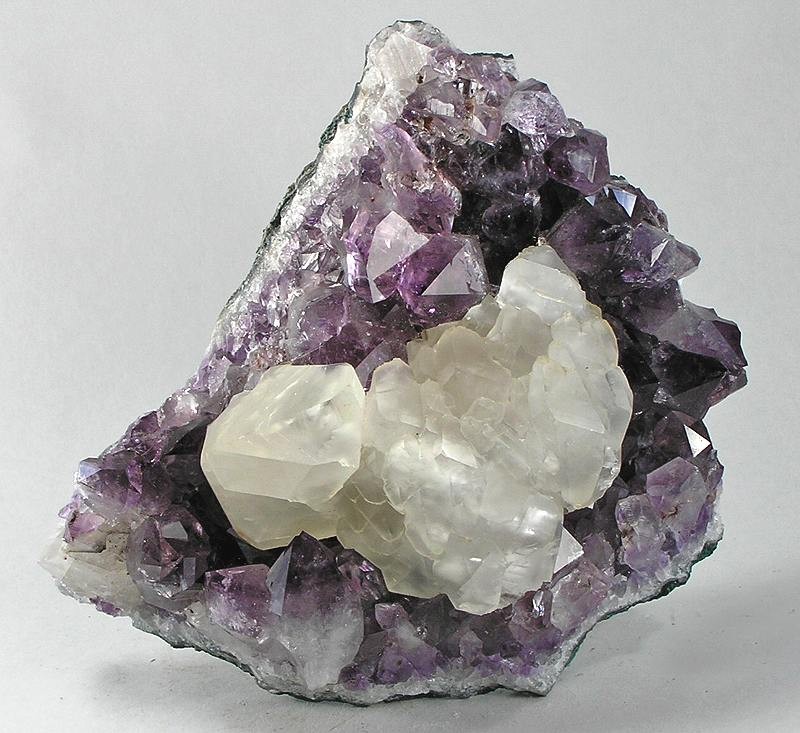
Indiana is built on limestone — the famous Salem limestone that clad buildings nationwide is the state stone — and that Paleozoic seafloor is exactly what makes the state’s rockhounding tick. Southern Indiana’s creeks tumble out quartz and calcite geodes, and its rocks are crowded with the crinoids that became the state fossil.
The geology behind the finds
Southern Indiana’s Mississippian limestones formed in a warm, shallow sea teeming with crinoids (“sea lilies”), corals and brachiopods. Within these rocks, hollow nodules filled with silica to become geodes, lined with sparkling quartz and sometimes calcite, dolomite or pyrite. Weathering frees both geodes and fossils into the creek beds, where collectors find them.
What you’ll find
Classic Indiana material
- Geodes — quartz/calcite-lined, in creeks
- Crinoids & brachiopods (state fossil)
- Calcite, fluorite, pyrite
- Silicified coral & chert
Before you go
- Creek-gravel collecting often crosses private land — ask permission.
- State parks restrict collecting.
- Read ethics & law first.
The classic Indiana hunt is wading a creek in the south of the state, picking up lumpy geodes from the gravel and cracking them to reveal the crystal interior. The same creeks and roadcuts give up beautiful crinoid stems and calyxes — fossils so abundant they define whole limestone beds.
Where to go, region by region
South-central Indiana — geode creeks
The creeks of the limestone belt (Lawrence, Monroe and surrounding counties) are the place for geodes. Much of this is private land along the banks, so secure the owner’s permission before wading and collecting.
Quarries & roadcuts
Limestone exposures across southern Indiana yield crinoids, brachiopods and corals — collect with permission and away from active workings.
When to go
Indiana collecting is best spring through fall. Lower water in late summer and fall exposes more creek gravel and geodes, while spring rains refresh the supply by washing nodules out of the banks.
Gear & field tips
- For geodes: sturdy boots for wading and a way to crack nodules (or a saw at home for clean halves).
- For fossils: a hand lens and a flat chisel for the limestone.
- Always get landowner permission for creek access — banks are usually private.
Rules & access
Indiana’s geode creeks and fossil sites are largely on private land, so permission is the rule, and state parks restrict collecting. Read our guide to collecting ethics & the law before you go.
Clubs & shows
Midwest Federation clubs are active in Indiana, run geode and fossil trips, and often have landowner contacts. Browse our clubs directory.
Want an Indiana geode or crinoid fossil?
Sponsored — partner shop · Minerals KingdomFrequently asked questions
Where can I find geodes in Indiana?
In the creeks of south-central Indiana’s limestone belt (around Lawrence and Monroe counties). Get landowner permission first, since the banks are usually private.
What is Indiana’s state fossil?
The crinoid, or “sea lily” — an ancient relative of starfish whose stems and calyxes fill the state’s Mississippian limestones.
Do I need permission to collect in creeks?
Usually yes — most creek banks in Indiana are private. Always ask the landowner before wading and collecting.