 FIELD
FIELD Rockhounding in Hawaii
Hawaii’s volcanic rock holds olivine, peridot and obsidian — but collecting is heavily restricted, and culturally discouraged. Here, the rule is simple: look, don’t take.
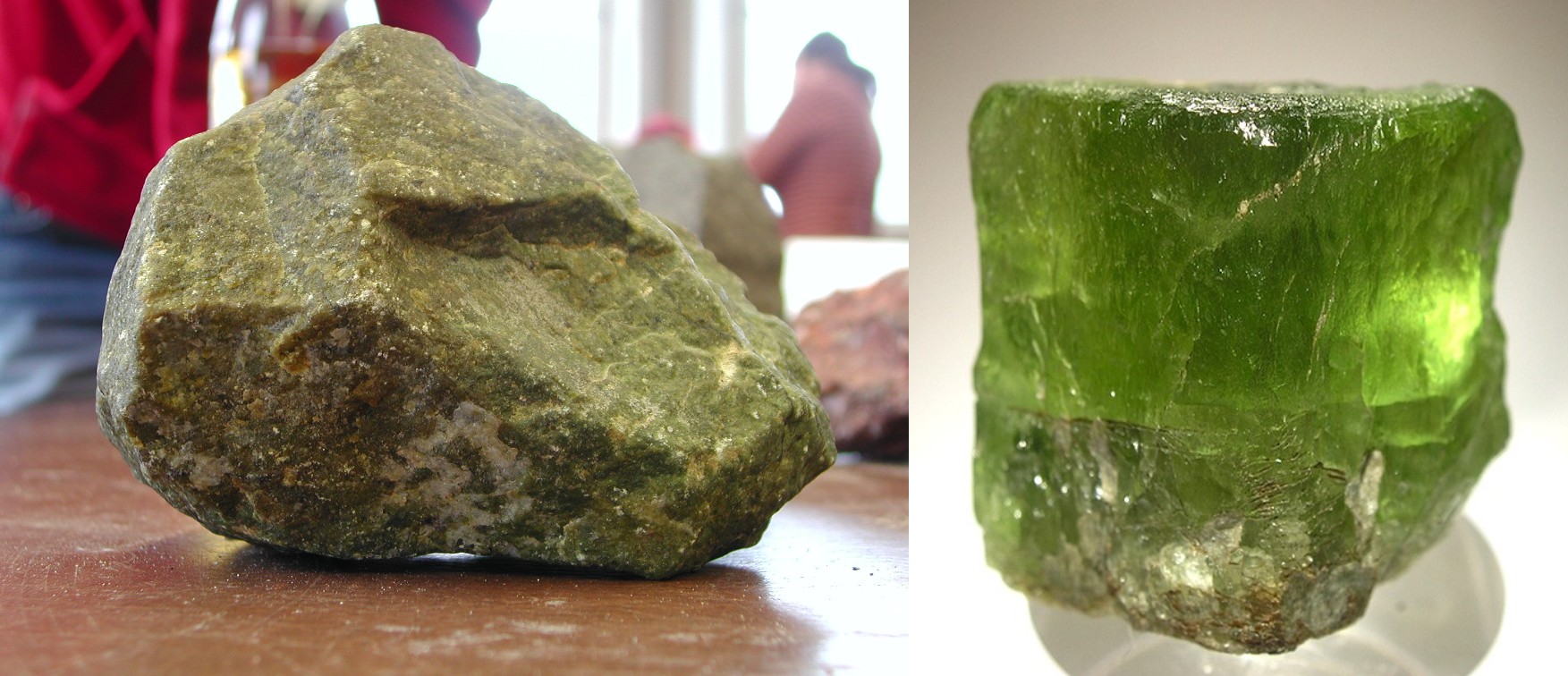
Hawaii is unlike anywhere else in this atlas. Its islands are young basalt, built grain by grain from the ocean floor, and that lava holds olivine (gem peridot), obsidian and volcanic glass. But Hawaii is also the one state where the honest answer to “where can I collect?” is: you mostly can’t. Removing rocks, sand and lava is restricted by law and discouraged by Native Hawaiian cultural values. The reward here is to observe, not to take.
The geology behind the finds
Each Hawaiian island is a shield volcano made of basalt. As that lava cooled, it crystallised green olivine — sometimes in gem quality (peridot) — which weathers out to form the famous green sand beach at Papakōlea. Eruptions also produced obsidian, Pele’s hair and Pele’s tears (volcanic glass), and a range of basaltic minerals. It’s a living geology, still being built at Kīlauea.
What’s in the rock
Hawaii’s volcanic minerals
- Olivine / peridot — in basalt & green sand
- Obsidian & volcanic glass
- Pele’s hair & Pele’s tears
- Coral & beach material
The law & respect
- State law and park rules prohibit removing rocks, sand and minerals from most areas.
- National parks (Volcanoes, Haleakalā): no collecting.
- Respect Native Hawaiian cultural values — leave the ʻāina as you found it.
- See ethics & law.
You’ll see olivine glittering in the black lava and the green-tinted sand, obsidian and glassy lava on the flows, and coral on the beaches. All of it is best appreciated in place — both because the law generally prohibits removing it, and because Hawaiian tradition holds these materials as belonging to the land and to Pele.
Where to observe (not collect)
The Big Island
Hawaiʻi Volcanoes National Park is the place to witness active geology — and a strict no-collecting zone. The Papakōlea green sand beach shows olivine weathering from the rock; admire it, but leave the sand.
Across the islands
Basalt flows, black-sand beaches and sea cliffs display Hawaii’s volcanic minerals throughout the chain — all best enjoyed by eye and camera.
A note on “the curse”
Visitors who take lava rock often mail it back, citing bad luck — a modern legend, but one rooted in a real cultural truth: in Hawaiian tradition, the rocks and sand belong to the land. Whatever you believe, the practical and respectful choice is the same: leave it where it lies.
What you can do instead
- Visit Hawaiʻi Volcanoes National Park to see geology being made.
- Photograph the green sand, black sand and lava formations.
- Buy Hawaiian peridot jewellery from licensed local sellers rather than collecting it yourself.
Rules & access
Across Hawaii, removing rocks, sand, lava and minerals is restricted by state law and prohibited in the national parks. Treat the islands as a place to observe and learn, not to collect, and read our guide to collecting ethics & the law.
Want Hawaiian-style peridot, the legal way?
Sponsored — partner shop · Minerals KingdomFrequently asked questions
Can I collect lava rock or sand in Hawaii?
Generally no — removing rocks, sand and lava is restricted by state law and prohibited in the national parks. It’s also culturally discouraged. Leave it in place.
What is the green sand beach?
Papakōlea on the Big Island, where olivine (peridot) weathering from the basalt gives the sand its green colour. Admire it, but don’t take the sand.
How can I get Hawaiian peridot?
Buy it from licensed local jewellers rather than collecting it yourself — the responsible and legal way to take home a piece of Hawaiian geology.