 FIELD
FIELD Rockhounding in Georgia
World-class amethyst from Jackson’s Crossroads, staurolite “fairy crosses,” Appalachian gold and rutile-studded mineral digs — Georgia’s Piedmont and mountains are full of collectable treasure.
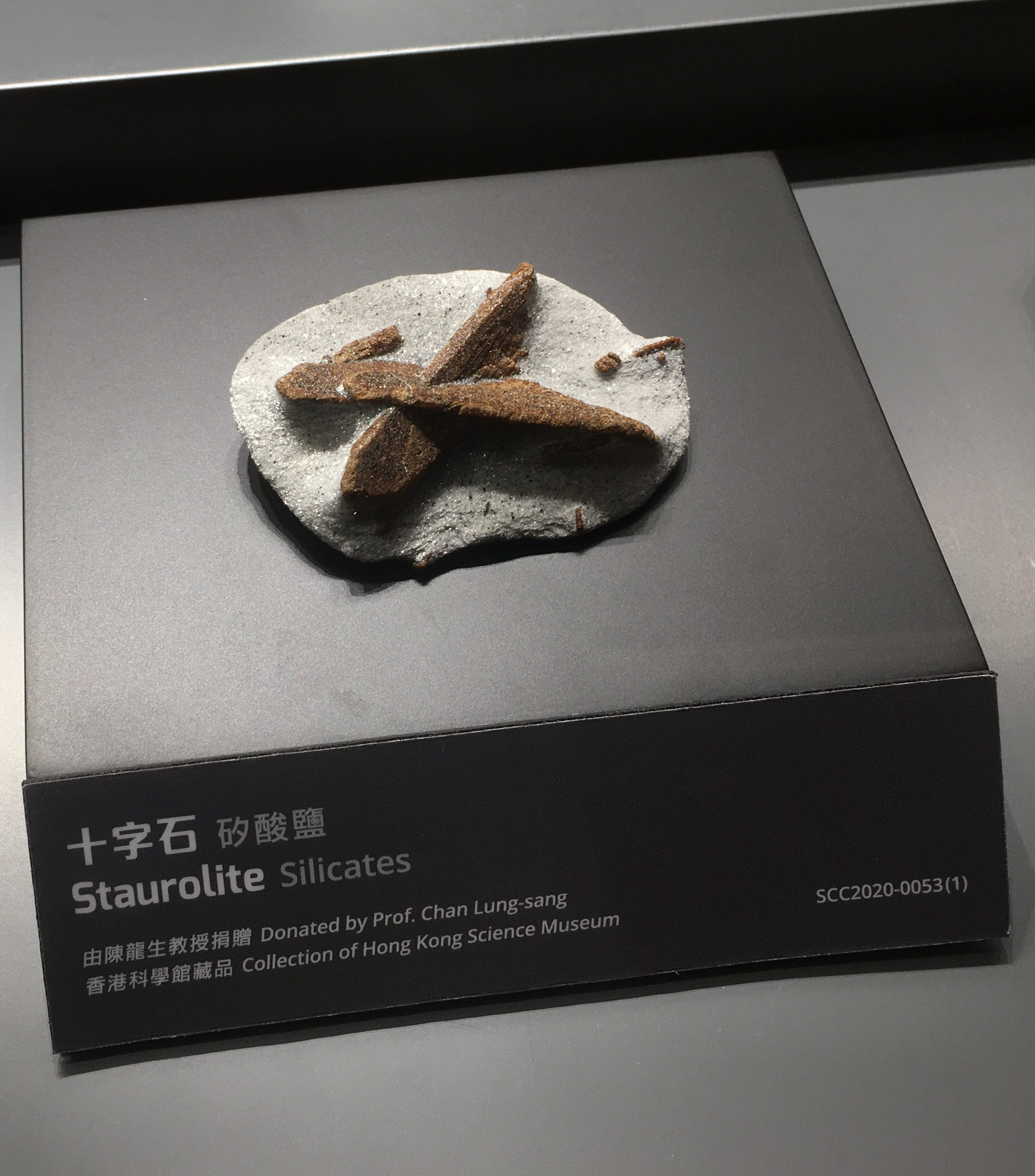
Georgia’s amethyst is among the finest in the United States — the deep-purple crystals of Jackson’s Crossroads rival material from anywhere on Earth. Beyond amethyst, the state offers staurolite “fairy stones,” the gold that sparked America’s first major gold rush, and famous mineral-collecting digs in the north Georgia mountains.
The geology behind the finds
Georgia’s Piedmont and Blue Ridge are built from metamorphic rocks that crystallised deep in the Appalachian collision. Quartz veins in this country grew the gem amethyst of Wilkes County; aluminium-rich schists produced cross-shaped staurolite (the state mineral); and gold-bearing quartz around Dahlonega drew thousands of prospectors in the 1820s and ’30s. Specialty localities like Graves Mountain add rutile, lazulite and pyrophyllite.
What you’ll find
Classic Georgia material
- Amethyst — Jackson’s Crossroads (fee dig)
- Staurolite — “fairy stones / fairy crosses”
- Gold — Dahlonega district
- Quartz, garnet, beryl, rutile
Before you go
- Jackson’s Crossroads offers scheduled fee-dig amethyst days.
- Graves Mountain holds public “rock swap” dig events a few times a year.
- Gold panning: recreational only — know claim/permission.
- Read ethics & law first.
Jackson’s Crossroads amethyst is the headline — intensely purple, often with red and blue flashes, and sometimes in showy crystal clusters. Staurolite crosses are a charming north-Georgia keepsake, and the Dahlonega gold belt still yields colour to recreational panners working its creeks.
Where to go, region by region
Jackson’s Crossroads (Wilkes County)
One of America’s premier amethyst localities, worked on scheduled fee-dig days. The material’s saturated colour makes it sought-after by collectors and faceters worldwide.
Graves Mountain (Lincoln County)
A celebrated mineral locality that opens to the public for dig events a few times a year — your chance at rutile, lazulite, hematite and pyrophyllite.
The north Georgia mountains
The Dahlonega gold belt and surrounding ridges yield gold, staurolite and quartz; some operations offer panning for visitors.
When to go
Georgia collecting is best in spring and fall, avoiding the humid Southern summer. Fee-dig amethyst days and the Graves Mountain events are scheduled, so plan your trip around the calendar of openings.
Gear & field tips
- For amethyst: a mattock and screen for the dig piles; the operators advise on the day’s method.
- For staurolite: search weathered schist soils where the cross-shaped crystals weather out whole.
- For gold: a pan and classifier, and patience reading where heavy material settles in a creek.
Rules & access
The best Georgia collecting is at scheduled fee-dig sites and events (Jackson’s Crossroads, Graves Mountain) — you pay, you dig, you keep. Wild collecting needs landowner permission, and state parks prohibit it. Gold panning is recreational only and subject to local rules. Read our guide to collecting ethics & the law.
Clubs & shows
Southeast Federation clubs are active across Georgia and often coordinate access to dig events. The state hosts several gem & mineral shows each year — browse our clubs directory.
Want Georgia amethyst at its deepest purple?
Sponsored — partner shop · Minerals KingdomFrequently asked questions
Where is the best amethyst in Georgia?
Jackson’s Crossroads in Wilkes County, worked on scheduled fee-dig days, produces some of the finest amethyst in the United States — deep purple, often with red and blue flashes.
What are Georgia “fairy stones”?
Staurolite crystals (the state mineral) that often form natural cross shapes, weathering out of the schist soils of the north Georgia mountains.
Can I pan for gold in Georgia?
Yes — recreational panning is popular in the Dahlonega gold belt, but only with permission or on sites that allow it, and never on active claims without consent.