 FIELD
FIELD Rockhounding in Delaware
Small state, focused collecting — Delaware offers Piedmont sillimanite, beach minerals, and surprisingly good Cretaceous fossils along the C&D Canal.
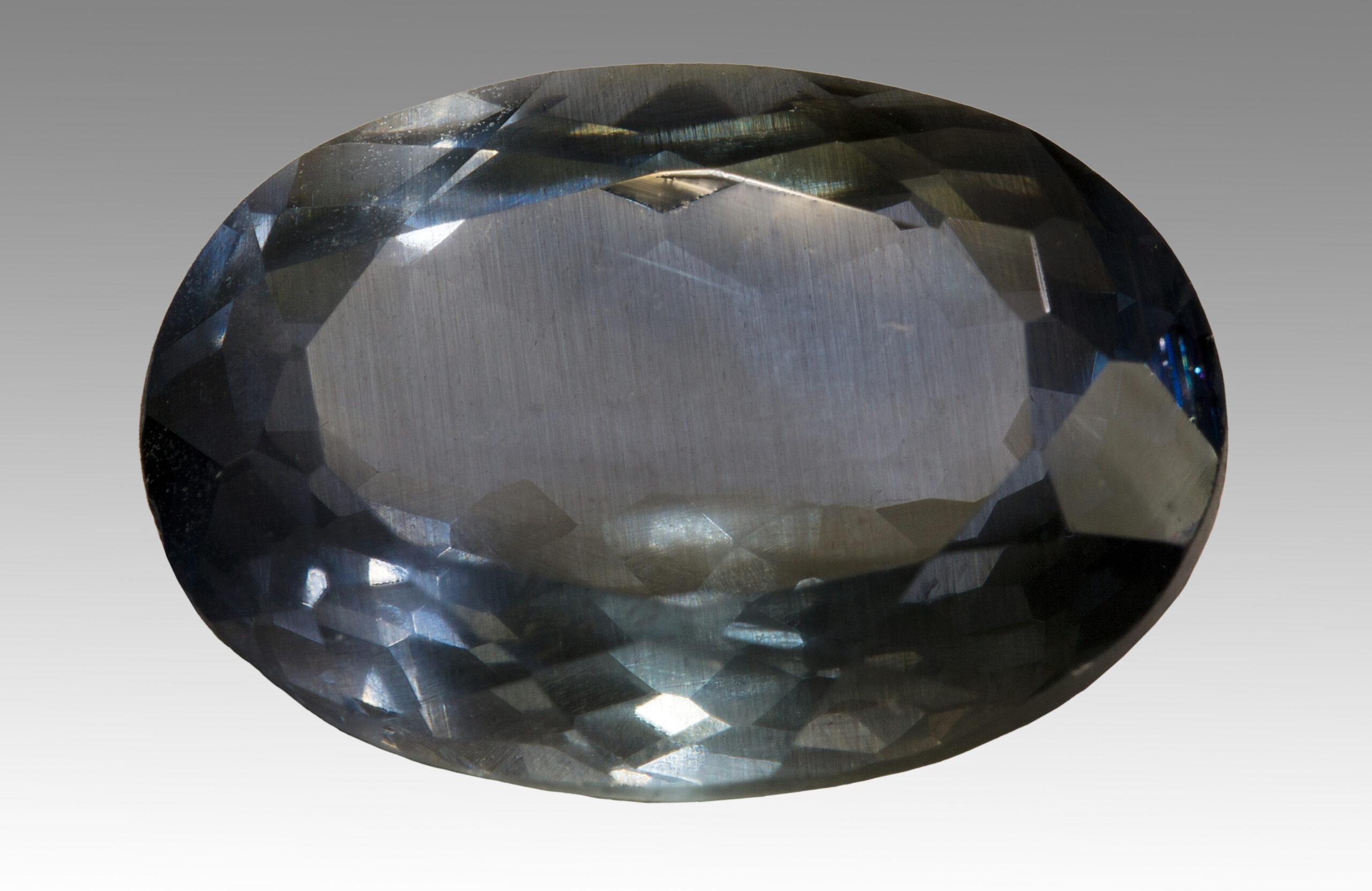
Delaware is the second-smallest state, and its rockhounding is modest but real — and split between two very different worlds. The narrow Piedmont in the north holds sillimanite, quartz and garnet, while the Coastal Plain to the south is young marine sediment that yields fossils, including the Cretaceous material famously turned up by the digging of the Chesapeake & Delaware Canal.
The geology behind the finds
The slice of Piedmont around Wilmington holds metamorphic rocks with sillimanite (the state mineral, from the Brandywine area), quartz, garnet and feldspar. South of the fall line, the Coastal Plain is layered marine sand and clay — and the spoil from the C&D Canal exposed Cretaceous fossils (belemnites, shark teeth and shells), making the canal area a classic Mid-Atlantic fossil locality.
What you’ll find
Classic Delaware material
- Sillimanite (state mineral) — Brandywine area
- Quartz, garnet, feldspar
- Cretaceous fossils — C&D Canal area
- Beach minerals & shells
Before you go
- Little open public collecting ground — work with clubs and get permission.
- Canal-area access has rules — check before collecting.
- Read ethics & law first.
For a small state, Delaware offers a satisfying mix: sillimanite and quartz for the mineral collector in the Piedmont, and Cretaceous fossils — including sharks’ teeth and belemnites — for the fossil hunter along the C&D Canal and the Coastal Plain.
Where to go, region by region
The northern Piedmont
The Brandywine area near Wilmington is the source of sillimanite and Piedmont minerals — mostly via clubs and with permission, as open sites are limited.
The C&D Canal & Coastal Plain
The Chesapeake & Delaware Canal area and other Coastal-Plain exposures yield Cretaceous fossils — check current access rules before collecting, as the canal corridor is managed.
When to go
Delaware collecting runs spring through fall. Spring rains and freeze-thaw freshen exposures, and beach collecting is good after storms that rework the sand.
Gear & field tips
- For fossils: a screen and a sharp eye on weathered Coastal-Plain exposures.
- For minerals: a rock hammer for Piedmont outcrops, with permission.
- Confirm access first — Delaware has limited open public collecting ground.
Rules & access
Delaware has limited open public collecting, so clubs and landowner permission are the practical route, and managed corridors like the C&D Canal have their own rules. Read our guide to collecting ethics & the law.
Clubs & shows
Eastern Federation clubs in Delaware and the wider Mid-Atlantic arrange the trips that make access possible. Browse our clubs directory.
Want Mid-Atlantic fossils or minerals?
Sponsored — partner shop · Minerals KingdomFrequently asked questions
What is Delaware’s state mineral?
Sillimanite — an aluminium silicate that occurs in the metamorphic rocks of the Brandywine area in the state’s small Piedmont.
Where can I find fossils in Delaware?
In Coastal-Plain exposures, notably the Chesapeake & Delaware Canal area, which yielded Cretaceous fossils when it was dug. Check current access rules first.
Is there much public collecting in Delaware?
Not much — open sites are limited, so most collecting happens through clubs and with landowner permission.