 FIELD
FIELD Rockhounding in Connecticut
Connecticut’s pegmatites once produced gem beryl and tourmaline, and made the state a household name among mineral collectors — garnet, quartz and rare phosphates still reward the careful hunter.
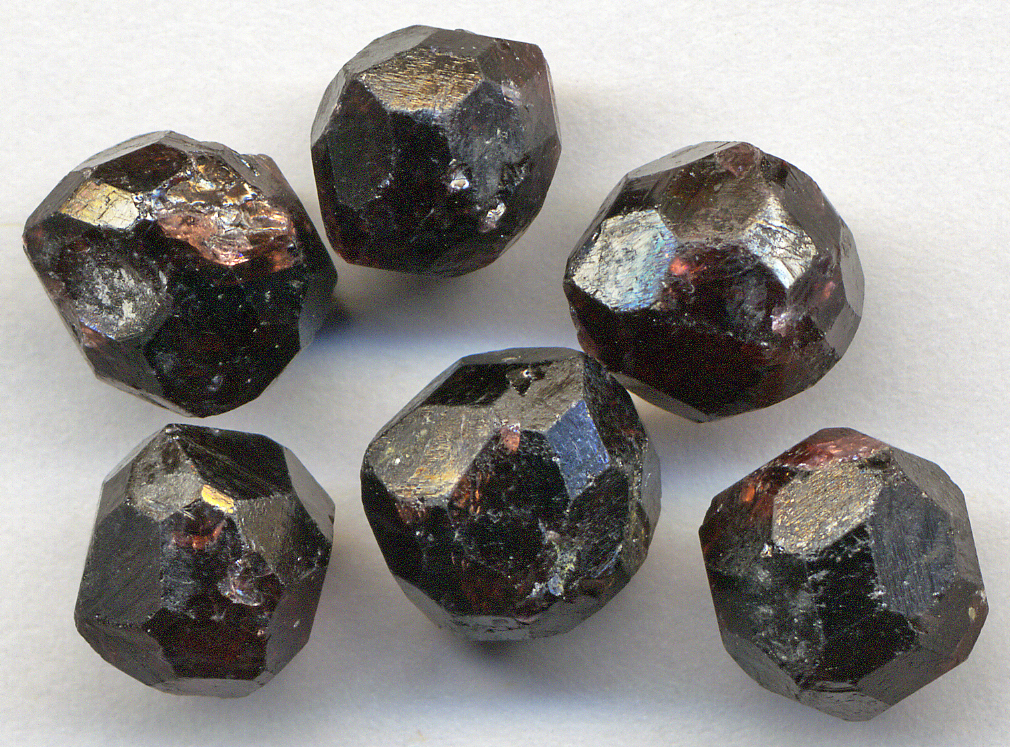
For a small state, Connecticut has an outsized place in American mineralogy. Its classic gem pegmatites — Roebling, Strickland-Cramer and Branchville — produced fine tourmaline, beryl and a long list of rare phosphate minerals that fill museum cases. Many famous quarries are now closed, so today’s collecting leans on clubs, permission and the gravels.
The geology behind the finds
Connecticut’s pegmatites crystallised from late-stage granitic fluids, growing large crystals of beryl, tourmaline, garnet, mica and feldspar, plus a remarkable suite of rare phosphates that made localities like Branchville scientifically important. The surrounding schists are the source of the almandine garnet that became the state mineral, and the state’s basalt traprock adds zeolites and prehnite.
What you’ll find
Classic Connecticut material
- Almandine garnet (state mineral)
- Beryl & tourmaline — pegmatites
- Quartz, feldspar, mica
- Rare phosphates & zeolites
Before you go
- Many historic quarries are closed/private — collect via clubs or with permission.
- Road cuts & stream gravels can be productive.
- Read ethics & law first.
While the great gem pockets are largely worked out, Connecticut still rewards the systematic collector: garnet in the schists, beryl and tourmaline on old pegmatite dumps, and the famous phosphates for those who study them. Stream gravels and road cuts give the casual hunter quartz, garnet and feldspar.
Where to go, region by region
The pegmatite belt
The classic localities around Portland, Haddam and Branchville produced the state’s gem and rare-mineral fame. Most are closed or private, so access is through clubs and arranged trips.
Schist & traprock country
Metamorphic outcrops yield garnet, and the basalt traprock of the central valley holds zeolites and prehnite in old quarries.
When to go
Connecticut collecting runs spring through fall, with spring especially good as freeze-thaw and rain refresh outcrops, road cuts and dumps.
Gear & field tips
- For pegmatite dumps: a rock hammer, screen and patience for the weathered material.
- For garnet: scan schist outcrops and stream gravels for the dark red crystals.
- Always confirm access — most classic sites are private.
Rules & access
Connecticut’s historic localities are mostly closed or private, so the practical path is collecting through a club with arranged permission, or working public road cuts and stream gravels. Read our guide to collecting ethics & the law.
Clubs & shows
Eastern Federation clubs are active in Connecticut and arrange the quarry and dump trips that make access possible. Browse our clubs directory.
Want Connecticut beryl or garnet?
Sponsored — partner shop · Minerals KingdomFrequently asked questions
Can I still collect at Connecticut’s famous pegmatites?
Most are closed or private now, so collecting is best done through a mineral club that arranges permitted access. The dumps still yield beryl, tourmaline and rare phosphates.
Where can I find garnet in Connecticut?
In the state’s metamorphic schists and the stream gravels derived from them — almandine garnet is the state mineral.
Why is Connecticut important to mineralogy?
Its gem pegmatites, especially Branchville, produced rare phosphate minerals new to science, giving the small state an outsized place in American mineral history.