 FIELD
FIELD Crater of Diamonds is the only diamond-producing site in the world open to the public where you keep everything you find. A 37½-acre plowed field sits atop the eroded root of an ancient volcano — and real diamonds turn up regularly, including famous multi-carat stones plucked from the dirt by ordinary visitors.
Why diamonds are here — the volcanic pipe
Around 100 million years ago, a deep-seated volcano punched to the surface here and left behind a carrot-shaped body of lamproite — one of the rare rock types that can carry diamonds up from the mantle. Erosion has since sliced the top off that pipe, exposing the diamond-bearing soil at the surface. The state park simply plows the field periodically to turn up fresh ground, and lets the public search it. Diamonds have been found here since a farmer first spotted one in 1906.
How to search
Three methods are allowed, and each suits a different day:
- Surface searching — walk the plowed rows, especially after rain washes the soil; diamonds have a bright, soapy luster and shed dirt, so they glint when clean.
- Dry sifting — screen loose soil to catch small stones when the ground is dry.
- Wet sifting — wash and screen at the water pavilion; the most thorough method, concentrating the heavy minerals where diamonds settle.
What you’ll find
The finds
- Diamonds — white, brown & yellow
- Amethyst, quartz & agate
- Jasper, calcite & barite
- Peridot & garnet (occasionally)
Access & the law
- Pay the daily admission; the park identifies and registers finds for free.
- Keep what you find — no quantity limit on your own discoveries.
- Bring or rent basic digging & screening tools; wet-sift gear is available on site.
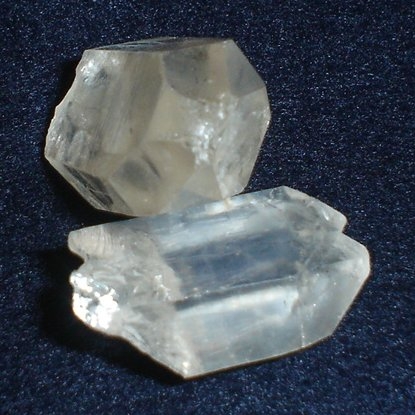
Famous finds
The Crater has produced some of the most storied diamonds in the country, including the 40.23-carat “Uncle Sam,” the largest diamond ever unearthed in the United States, and the flawless Strawn-Wagner stone. Most finds are far smaller — the average diamond is well under a carat — but visitors turn up hundreds of stones every year, which is exactly what keeps people coming back.
When to go & what to bring
The park is open year-round, but the best conditions follow a good rain, which washes the field and exposes surface stones. Spring and fall are the most comfortable; summer is hot and humid. Bring a hat, sun protection, kneepads and plenty of water — and either bring or rent a bucket, screen set and a small shovel.
Plan your trip
See the wider Arkansas rockhounding guide — Arkansas is also the “Quartz Crystal Capital,” with the crystal mines around Mount Ida. Read collecting ethics & the law before you go.
Can’t make it to Murfreesboro? Start with a real diamond or quartz.
Sponsored — partner shop · Minerals Kingdom
Frequently asked questions
Do people really find diamonds here?
Yes — visitors find hundreds of diamonds a year, most small but some multi-carat. The park registers and identifies your finds for free.
What’s the best way to find one?
Surface-search after heavy rain, then wet-sift the soil at the wash pavilion to concentrate the heavy minerals where diamonds hide.
How do I recognize a rough diamond?
Rough diamonds have a smooth, rounded, slightly greasy or metallic luster and won’t hold dirt or dust. The park’s identification desk will confirm any suspect stone for free.
Do I need my own tools?
You can surface-hunt with none. For sifting, bring a bucket, screens and a small shovel — or rent them at the park.
Is it worth going if I find no diamond?
Many visitors don’t find a diamond, but almost everyone leaves with amethyst, quartz, jasper or agate — and the hunt itself is the draw.
Written by The Field & Stone Editors. Informational only — confirm park rules and fees before visiting. Published by KEVALEX Group.