 FIELD
FIELD Rockhounding in Alaska
Gold, jade by the boulder, and beach garnet — Alaska is wild, remote collecting on a grand scale, for the well-prepared and self-sufficient.
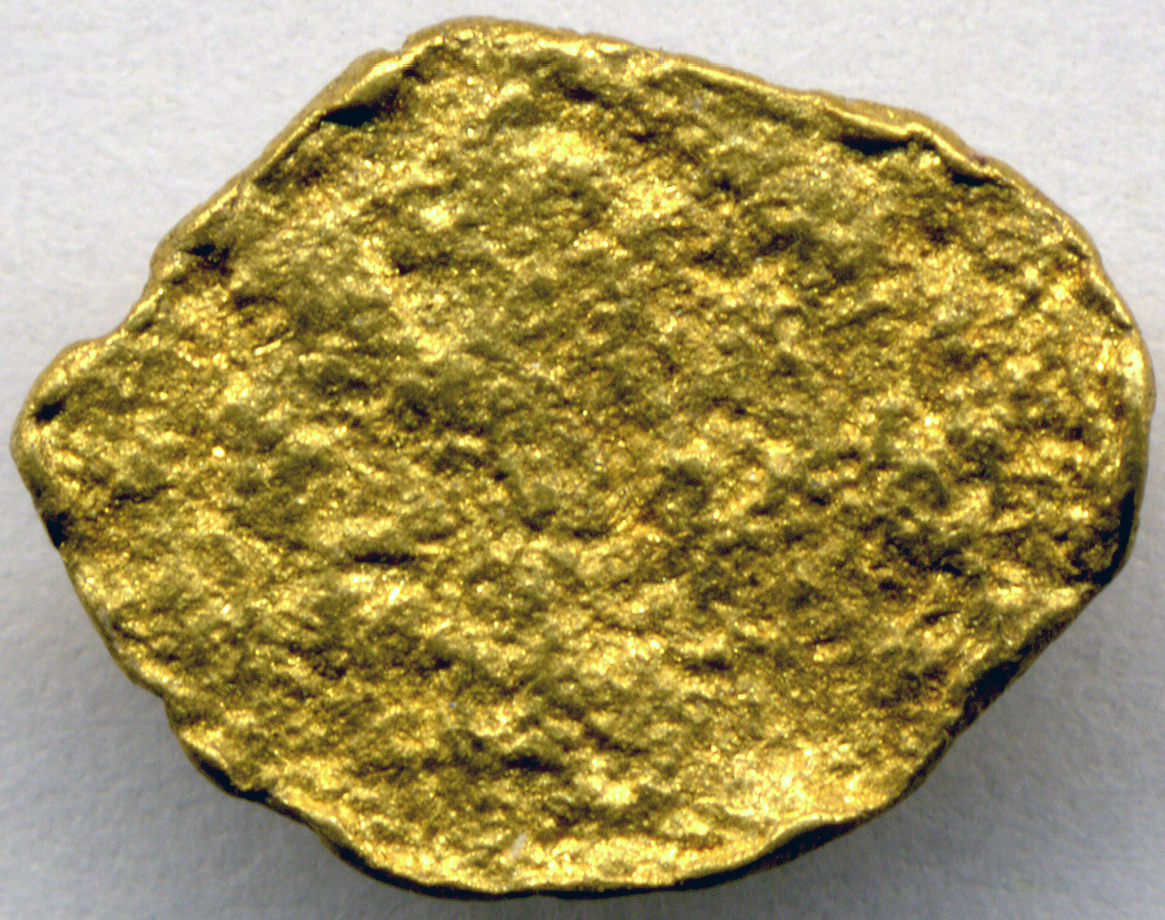
Alaska does everything on a larger scale, and rockhounding is no exception. The state made jade its gem — and the Kobuk region holds nephrite in boulder quantity. Gold panning is a way of life, beaches yield garnet and agate, and the catch everywhere is logistics: the best ground is remote, seasonal, and spread across a patchwork of state, federal and Native-corporation land.
The geology behind the finds
Alaska’s gold came from the same mineralised belts that drew the great rushes, and recreational panning continues across the state. In the northwest, ultramafic rocks of the Jade Mountain / Kobuk region produced enormous nephrite jade. Garnet weathered into a famous ledge near Wrangell, and the long coastline scatters agate and fossils onto its beaches.
What you’ll find
Classic Alaska material
- Gold — recreational panning statewide
- Nephrite jade — Kobuk / Jade Mountain region
- Garnet — the Wrangell garnet ledge
- Agate & fossils — beaches
Before you go
- Remote & weather-dependent — serious logistics required.
- Know land status: Native corporation, state and federal lands differ.
- The Wrangell garnet ledge is managed for local/youth collecting.
- Read ethics & law first.
Gold remains the most accessible Alaskan find — pan a permitted creek and you’ll likely see colour. Jade is the showpiece, though much of the best ground is on Native-corporation land requiring permission. The Wrangell garnet ledge is a charming tradition, long associated with local children who sell the garnets.
Where to go, region by region
Gold country (statewide)
Recreational gold panning is possible in many areas, including public sites near the historic districts — always confirm the area is open and not on an active claim.
The northwest — Kobuk jade
The Jade Mountain / Kobuk River region is the legendary source of Alaskan nephrite jade. It’s remote and much is Native-corporation land — arrange access and logistics carefully.
Southeast — Wrangell & the coast
The Wrangell garnet ledge yields almandine garnet (managed access), and beaches statewide offer agate and fossils.
When to go
Alaska is strictly a summer destination for rockhounding — the season is short, daylight is long, and access depends entirely on weather, water and (often) boat or bush-plane logistics.
Gear & field tips
- Self-sufficiency is everything: navigation, weather gear, bear awareness and a real plan for remote travel.
- For gold: a pan and classifier; for jade: a way to test toughness and move heavy material.
- Confirm land status before you collect — the public/Native/federal mix is complex.
Rules & access
Alaska’s land is a patchwork of state, federal and Native-corporation ownership, and rules differ sharply — Native-corporation land in particular requires permission. National parks prohibit collecting. Recreational gold panning is allowed in many areas but not on active claims. Read our guide to collecting ethics & the law.
Clubs & shows
Northwest Federation clubs in Alaska know the accessible gold creeks, beaches and the logistics of remote trips. Browse our clubs directory.
Want Alaskan jade or gold?
Sponsored — partner shop · Minerals KingdomFrequently asked questions
Can I pan for gold in Alaska?
Yes — recreational panning is allowed in many public areas, but never on active claims. Some historic districts have designated public panning sites.
Where is Alaskan jade found?
In the northwest, around the Jade Mountain and Kobuk River region. Much of the ground is Native-corporation land, so access requires permission and serious logistics.
What is the Wrangell garnet ledge?
A garnet locality near Wrangell with managed access, long associated with local children who collect and sell the almandine garnets.