 FIELD
FIELD Rockhounding in Wisconsin
Lake Superior agate on the northern beaches, the lead-and-zinc minerals of the “Driftless” southwest, and native copper near the lake — Wisconsin mixes beachcombing with classic Midwest mining geology.
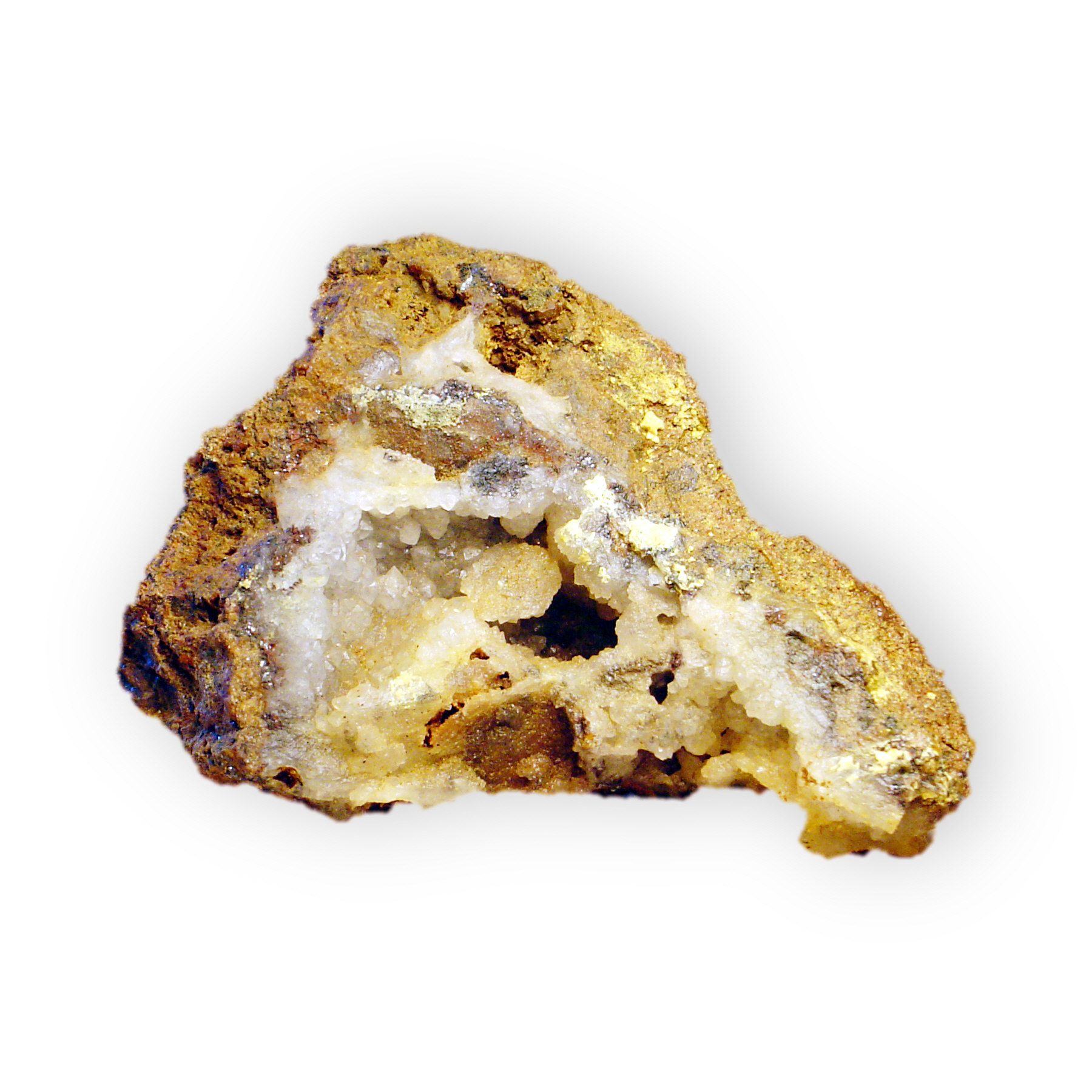
Wisconsin’s rockhounding splits neatly in two. In the north, the shores and glacial gravels carry Lake Superior agate and a touch of native copper. In the southwest, the unglaciated “Driftless Area” holds the lead-and-zinc deposits that built early Wisconsin — galena (the state mineral), sphalerite and calcite. Add red granite and abundant Paleozoic fossils, and the Badger State keeps collectors busy.
The geology behind the finds
Glaciers carried Lake Superior agate south from the Midcontinent Rift basalts, scattering it across Wisconsin’s gravels and northern beaches. The Driftless Area of the southwest, never flattened by ice, exposes flat-lying limestone and dolomite hosting Mississippi Valley-type galena and sphalerite — the famous lead mines of Mineral Point and Shullsburg. Ancient granite in the central state is the source of the red granite state rock, and the Paleozoic rocks hold trilobites and brachiopods.
What you’ll find
Classic Wisconsin material
- Lake Superior agate — beaches & gravels
- Galena & sphalerite — SW lead district
- Native copper, quartz, calcite
- Fossils — Paleozoic seas
Before you go
- Beach & gravel-pit collecting needs permission; some parks restrict it.
- Old mines are off-limits — material via dumps/clubs/shows.
- Read ethics & law first.
Lake Superior agate with its red-and-white banding is the everyday prize, hunted on northern beaches and in gravel pits. The southwest’s galena cubes and sphalerite are historic American specimens, and the central state’s red granite and Paleozoic fossils round out the offering.
Where to go, region by region
Northern Wisconsin & Lake Superior
Beaches and gravels along and south of Lake Superior carry agate and traces of native copper — work the waterline gravel, especially after storms.
The Driftless southwest
The historic lead district around Mineral Point and Shullsburg produced fine galena and sphalerite. The mines are closed, so specimens come from dumps (where permitted), shows and the trade.
Central & fossil country
Central Wisconsin’s granite and the state’s Paleozoic limestones yield red granite and fossils (trilobites, brachiopods).
When to go
Wisconsin collecting runs spring through fall. Agate hunting is best after storms that rework the beaches, and the milder months are most comfortable for the southwest’s hills and the gravel pits.
Gear & field tips
- For agate: wet the gravel and look for the waxy lustre and banding; polarised glasses cut glare.
- For lead-district minerals: collect through legitimate channels — mines are off-limits.
- Ask permission before entering any gravel pit, beach frontage or field.
Rules & access
Beach and gravel collecting is allowed within personal-use limits with permission (some parks restrict it), while the old lead mines are off-limits — their minerals reach collectors via shows and the trade. Read our guide to collecting ethics & the law.
Clubs & shows
Midwest Federation clubs run agate and mineral trips across Wisconsin and know the welcoming pits and beaches. Browse our clubs directory.
Want a Lake Superior agate or galena specimen?
Sponsored — partner shop · Minerals KingdomFrequently asked questions
Where can I find Lake Superior agates in Wisconsin?
On northern beaches and lakeshore gravels, and in glacial gravel pits across the state (with permission). Wet the stones to spot the banding.
Can I collect at the old lead mines?
No — the southwest’s historic lead and zinc mines are closed and off-limits. Their galena and sphalerite specimens are obtained through shows and the mineral trade.
What is Wisconsin’s state mineral?
Galena — the lead-sulfide mineral that built the early mining economy of the Driftless southwest.