 FIELD
FIELD Rockhounding in Virginia
Amazonite from the Morefield Mine, staurolite “fairy stones,” pink-and-green unakite and Miocene shark teeth on the Chesapeake — Virginia spans Piedmont gems to coastal-plain fossils.
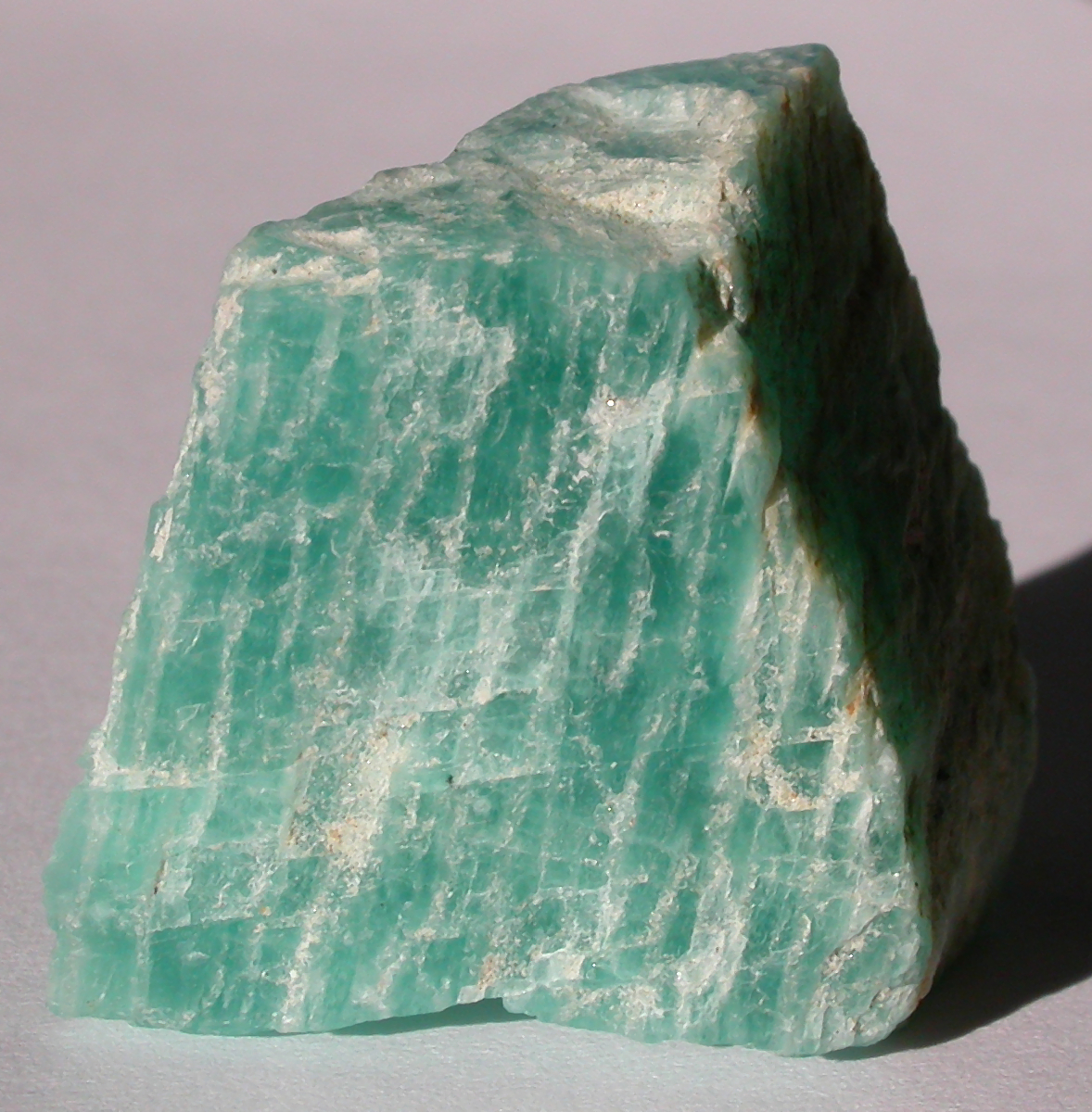
Virginia offers an unusual spread of collecting in a single state: gem pegmatites in the Piedmont, staurolite crosses and unakite in the Blue Ridge, and fossil-rich cliffs along its tidal rivers. The Morefield Mine near Amelia is the headline — one of the East Coast’s classic fee-dig pegmatites, famous for amazonite and a long list of rare minerals.
The geology behind the finds
The Amelia pegmatites of the central Piedmont crystallised gem amazonite (blue-green microcline), topaz, beryl and a remarkable suite of rare phosphate minerals. Metamorphic schists farther west grew cross-shaped staurolite, and the Blue Ridge contains unakite — the pink-and-green granite Virginia adopted as its state rock. Along the tidal Potomac and Chesapeake, Miocene cliffs shed fossil shark teeth and marine bone.
What you’ll find
Classic Virginia material
- Amazonite & rare minerals — Morefield Mine (Amelia, fee dig)
- Staurolite “fairy stones”
- Unakite (state rock)
- Fossil shark teeth — coastal plain
Before you go
- Morefield Mine offers fee-dig collecting.
- At Fairy Stone State Park, collect staurolite outside the park boundary (park land is protected).
- Collect fossils from fallen beach material, not by digging unstable cliffs.
- Read ethics & law first.
The Morefield Mine is a rockhound favourite — pay your fee, dig the dumps, and you might come away with amazonite, mica “books,” garnet and, for the systematic collector, rare phosphates. Staurolite crosses make a charming keepsake, and the Chesapeake cliffs are a reliable, family-friendly fossil hunt for sharks’ teeth.
Where to go, region by region
Amelia — the Morefield Mine
A long-running fee-dig pegmatite where you screen the dumps for amazonite, mica, garnet and rarities. It’s one of the most accessible classic mineral localities in the East.
Fairy Stone country & the Blue Ridge
Search weathered soils outside Fairy Stone State Park for staurolite crosses, and the Blue Ridge for unakite float in streams and roadcuts.
The tidal rivers & Chesapeake
Beaches along the Potomac and Chesapeake (Miocene cliffs) yield fossil shark teeth — collect the loose material the waves expose.
When to go
Virginia collecting is best in spring and fall, avoiding humid summers. Beach fossil-hunting is good year-round and especially after storms, which wash fresh teeth onto the sand.
Gear & field tips
- For Morefield: a screen and gloves for the dumps; ask staff what’s coming out that season.
- For staurolite: scan reddish-brown soils for the cross-shaped crystals weathering out whole.
- For shark teeth: search the waterline at low tide; a sifting scoop helps in the gravel.
Rules & access
The cleanest legal collecting is at the fee-dig Morefield Mine and on public beaches for fossils. Staurolite should be collected outside protected park boundaries, and cliff-digging is dangerous and often prohibited — take only fallen material. Read our guide to collecting ethics & the law.
Clubs & shows
Eastern and Southeast Federation clubs are active in Virginia and run trips to Morefield, the Blue Ridge and the fossil cliffs. Browse our clubs directory.
Want Virginia amazonite or a fossil shark tooth?
Sponsored — partner shop · Minerals KingdomFrequently asked questions
Can I collect at the Morefield Mine?
Yes — it’s a fee-dig operation near Amelia where you screen the dumps and keep what you find, including amazonite, mica and a range of rarer minerals.
Where do I find Virginia “fairy stones”?
In weathered soils of the Fairy Stone area — but collect outside the state-park boundary, since collecting within the park is prohibited.
Where can I find shark teeth in Virginia?
Along the Miocene cliffs of the Potomac and Chesapeake. Collect the loose teeth the waves expose on the beach; don’t dig the unstable cliffs.