 FIELD
FIELD Rockhounding in Vermont
Cinnamon grossular garnet, talc and serpentine, marble and granite — Vermont’s Green Mountains are metamorphic collecting country with a famous fossil twist.
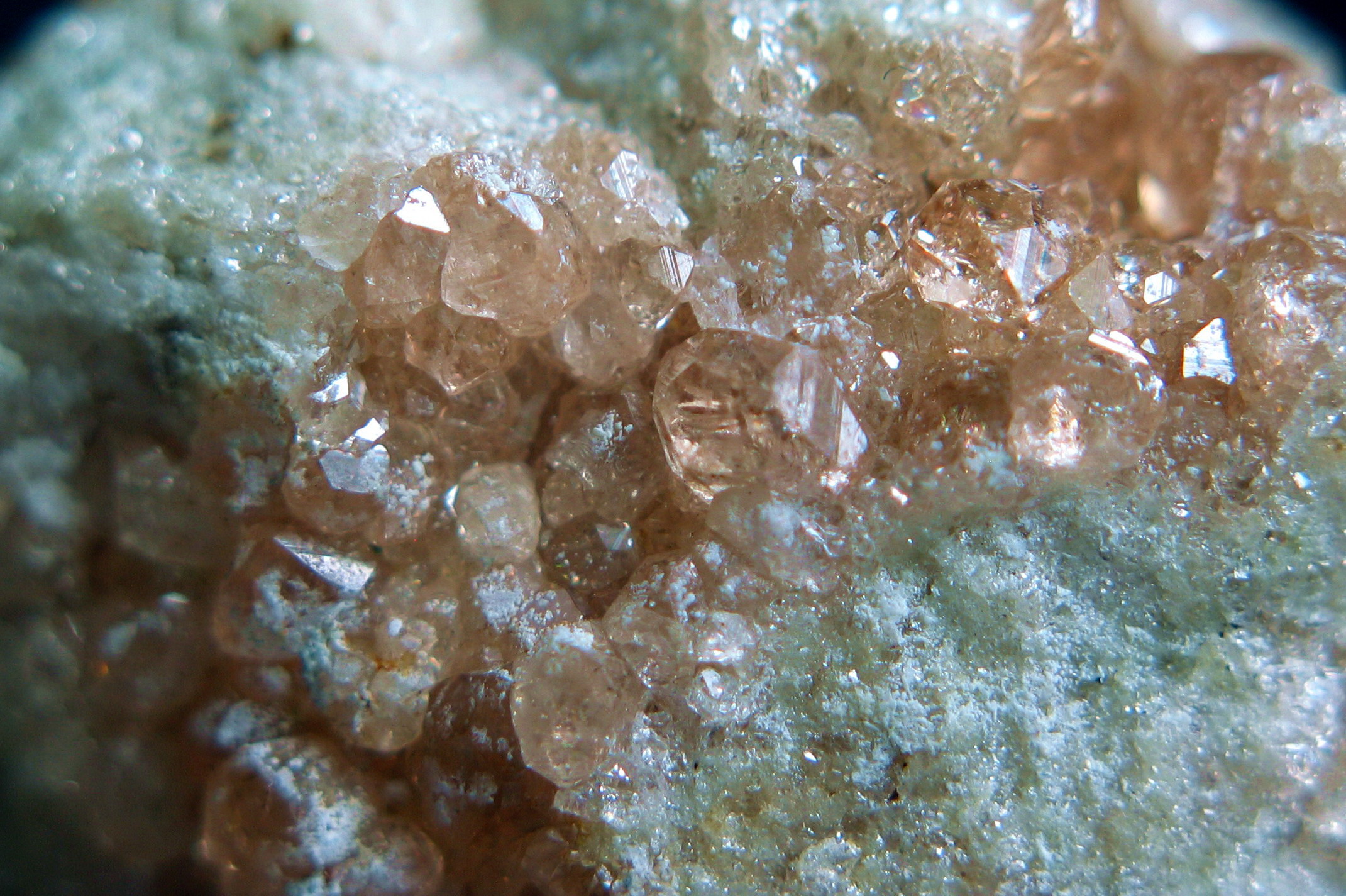
Vermont’s rockhounding is shaped by the metamorphism that built the Green Mountains. Its rocks yield cinnamon-coloured grossular garnet (the state gem), the talc and serpentine of the “verde antique” belt, and the marble and granite that made Vermont a quarrying state. And in 1849, workers digging a railway unearthed a whale skeleton far from any ocean — the Charlotte whale, the state fossil.
The geology behind the finds
The collision that raised the Appalachians cooked Vermont’s rocks into schist, marble and serpentinite. Calcium-rich metamorphism grew grossular garnet; ultramafic bodies produced talc and serpentine (the green “verde antique”); and the state’s marble and granite belts became famous building stones. After the Ice Age, the sea briefly flooded the Champlain lowlands — which is why a fossil whale turned up near Charlotte.
What you’ll find
Classic Vermont material
- Grossular garnet (state gem)
- Talc, serpentine, marble
- Quartz, staurolite, kyanite
- Granite & verde antique
Before you go
- Quarries are private — collect via clubs/with permission.
- Roadcuts & stream gravels can be productive.
- Read ethics & law first.
Grossular garnet brings a warm cinnamon-to-honey colour, and Vermont serpentine and talc are soft, carvable green stones. Staurolite and kyanite reward collectors who work the schists, while the quarrying belts give the state its marble and granite identity.
Where to go, region by region
The Green Mountains & metamorphic belt
Schist and marble exposures yield garnet, staurolite, kyanite and quartz — mostly in roadcuts and stream gravels, since quarries are private.
The serpentine & talc belt
Ultramafic bodies (the verde-antique belt) hold serpentine and talc, Vermont’s state mineral.
When to go
Vermont rockhounding is a summer activity — the mountains hold snow late and return to winter early. June through September gives the best access to outcrops, roadcuts and streams.
Gear & field tips
- For garnet and staurolite: scan schist outcrops and the gravels below them for the crystals.
- For serpentine and talc: these are soft — a knife test helps confirm them.
- Quarries are private; collect through clubs or with explicit permission.
Rules & access
Vermont’s quarries are private, so the practical collecting is in roadcuts, stream gravels and via club-arranged access. Read our guide to collecting ethics & the law before you go.
Clubs & shows
Eastern Federation clubs are active in Vermont and New England and arrange the trips that reach private ground. Browse our clubs directory.
Want Vermont grossular garnet or serpentine?
Sponsored — partner shop · Minerals KingdomFrequently asked questions
What is Vermont’s state gem?
Grossular garnet — a calcium garnet that occurs in cinnamon-to-honey colours in the state’s metamorphic rocks.
What is the Charlotte whale?
A fossil beluga whale skeleton found near Charlotte, Vermont, in 1849 — evidence that the sea once flooded the Champlain lowlands. It’s the state’s marine fossil.
Where can I collect in Vermont?
Mostly in roadcuts and stream gravels, or through clubs that arrange access to private quarries, since the quarries themselves are not open to casual collecting.