 FIELD
FIELD Rockhounding in Ohio
Rainbow-coloured Flint Ridge flint, sky-blue celestite, and some of the best fossil hunting in the country around Cincinnati — Ohio’s state gem is a stone you can actually dig.
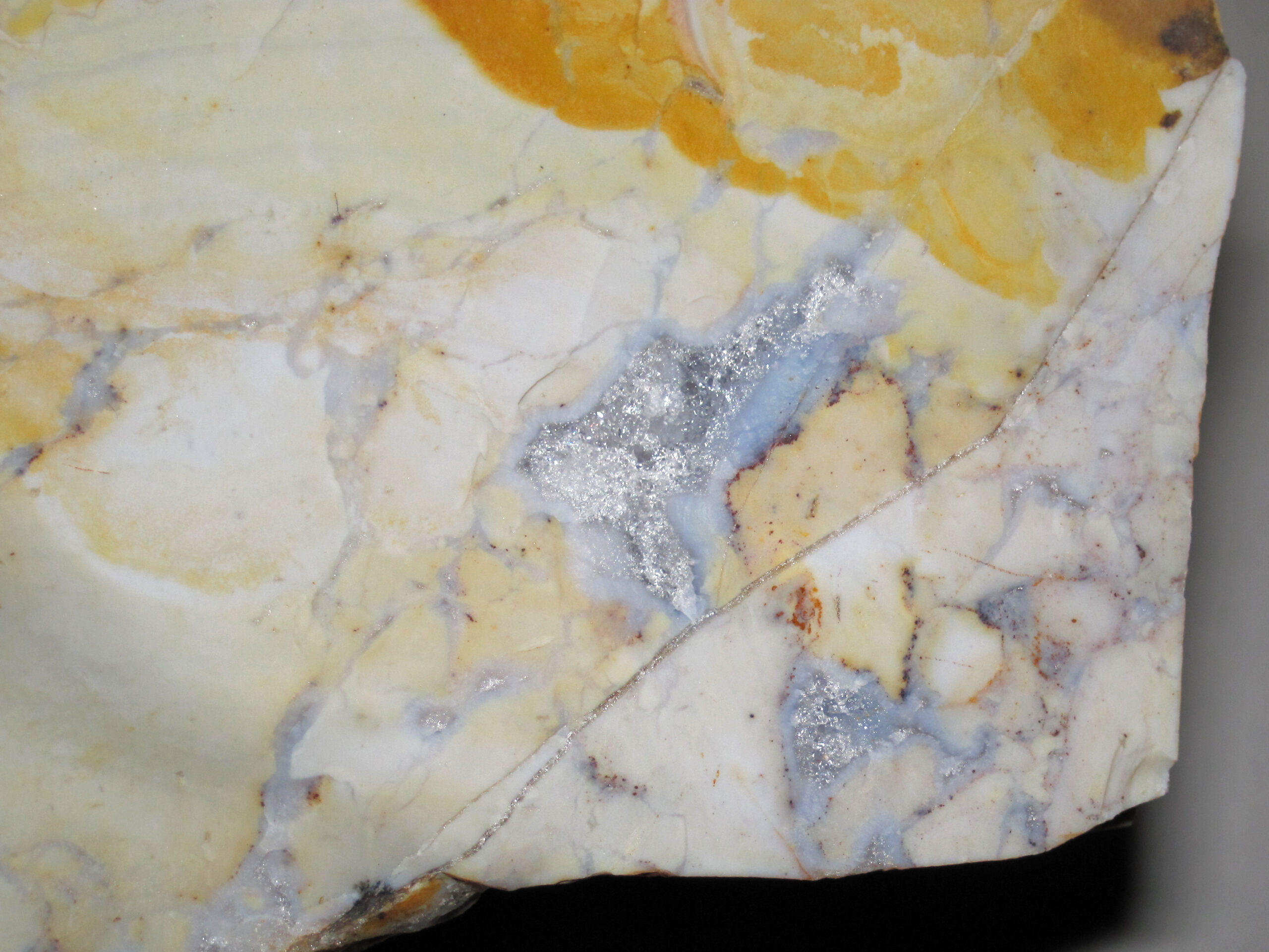
Ohio made flint its state gem, and one look at a polished piece of Flint Ridge material — swirled with red, pink, blue and grey — explains why. Native Americans quarried it here for thousands of years. Beyond flint, Ohio offers sky-blue celestite, geodes, and Ordovician fossil beds around Cincinnati that rank among the richest in the world.
The geology behind the finds
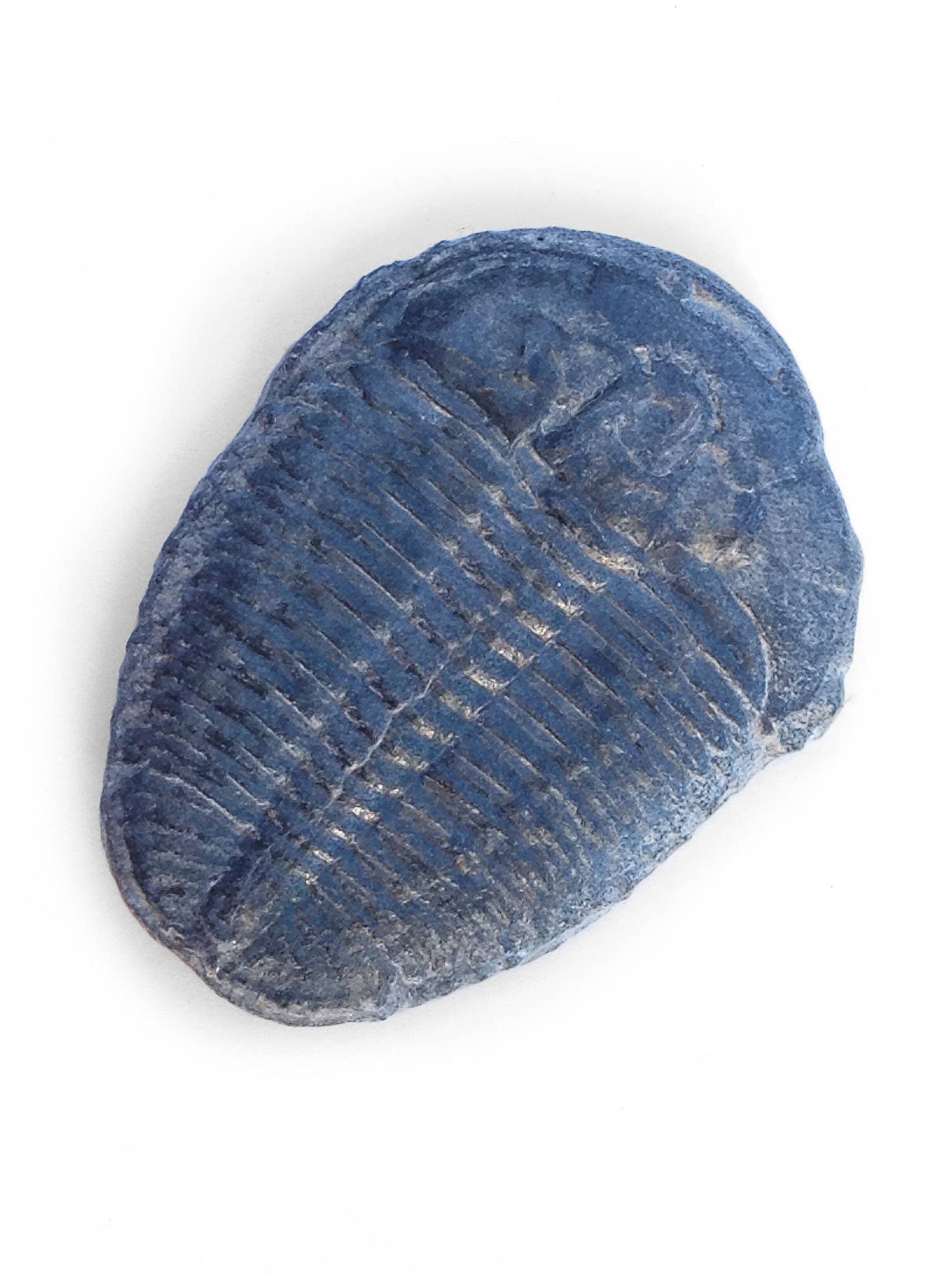
Flint Ridge, in Licking and Muskingum counties, is a band of exceptionally colourful silica (chert) deposited in an ancient sea and stained by trace minerals. Around Lake Erie, brine deposited spectacular celestite (including the giant crystals of Crystal Cave at Put-in-Bay). And the Cincinnati Arch exposes Ordovician limestone and shale packed with brachiopods, bryozoans and the trilobite Isotelus, Ohio’s state fossil.
What you’ll find
Classic Ohio material
- Ohio flint — Flint Ridge (Licking County)
- Celestite — Clay Center / Lake Erie
- Trilobites & brachiopods — Cincinnati arch
- Geodes & quartz
Before you go
- Flint Ridge is a state memorial — collect only where permitted (some fee-dig areas nearby).
- Roadcut & creek fossils: get permission off public ROW.
- Featured dig: Flint Ridge state-gem flint.
- Read ethics & law first.
Polished Ohio flint is a lapidary favourite for its wild colours. Celestite brings a delicate sky-blue, and the Cincinnati-area fossils are so abundant that a beginner can fill a bag with trilobite pieces and brachiopods in an afternoon at the right roadcut.
Where to go, region by region
Flint Ridge (central Ohio)
The historic flint quarries are protected as a state memorial, so collecting on the memorial itself is restricted — but nearby fee-dig and private sites let you take home the colourful material.
The Cincinnati arch (southwest Ohio)
Ordovician roadcuts and creek exposures around Cincinnati are world-famous for trilobites, brachiopods and bryozoans — among the easiest and richest fossil collecting in North America (with permission off public right-of-way).
Lake Erie region
The Clay Center area and the Lake Erie islands are known for celestite.
When to go
Ohio collecting is comfortable spring through fall. Spring rains and freeze-thaw freshly expose fossils in creek banks and roadcuts, making early-season hunting especially productive.
Gear & field tips
- For flint: it’s tough — a heavy hammer and eye protection, or buy rough from local diggers.
- For fossils: a flat chisel and a bag; many specimens are simply picked off weathered slopes.
- Never collect on an active roadway — work weathered material off the public right-of-way with permission.
Rules & access
Collecting on the Flint Ridge memorial is restricted, so use the nearby fee-dig and private sites for flint. Fossil roadcuts require landowner permission and care for safety. State parks and preserves prohibit collecting. Read our guide to collecting ethics & the law.
Clubs & shows
Midwest Federation clubs are active across Ohio and run flint and fossil field trips. The state hosts many gem & mineral shows — browse our clubs directory.
Want polished Ohio flint or a trilobite?
Sponsored — partner shop · Minerals KingdomFrequently asked questions
Can I collect flint at Flint Ridge?
Collecting on the Flint Ridge state memorial is restricted, but nearby fee-dig and private sites let you collect the colourful flint legally.
Where is the best fossil hunting in Ohio?
The Ordovician roadcuts and creeks around Cincinnati — among the richest trilobite and brachiopod localities anywhere. Collect weathered material with permission and stay off active roads.
What is Ohio’s state gem?
Flint — specifically the brilliantly coloured Flint Ridge material, prized by lapidaries and historically quarried by Native Americans.