 FIELD
FIELD Rockhounding in North Dakota
Petrified wood, the distinctive “Teredo” wood, and prairie agate — North Dakota’s badlands and glacial gravels hold quiet treasure for the patient hunter.
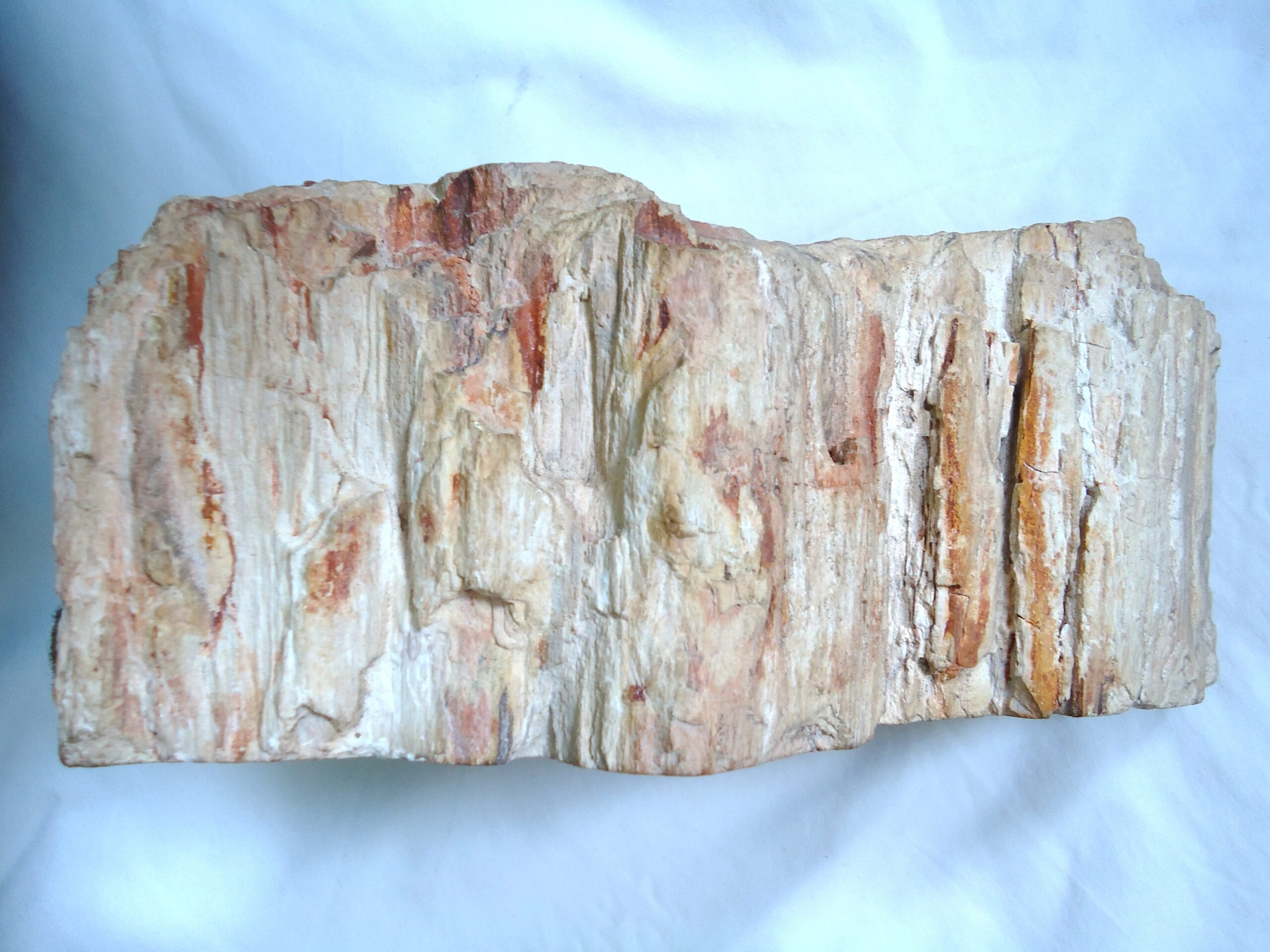
North Dakota’s rockhounding is written into its badlands. Sixty-million-year-old forests were buried and mineralised, and erosion now exposes petrified wood across the western part of the state — including the distinctive shipworm-bored “Teredo” wood that became the state fossil. Glacial gravels carry agate and chalcedony, and the Paleocene beds hold their own fossils.
The geology behind the finds
The Paleocene sediments of western North Dakota (the Sentinel Butte and Bullion Creek formations) preserve buried wood that silica replaced cell by cell, including logs riddled by ancient shipworms — the famous Teredo wood. Continental glaciers spread agate and chalcedony across the eastern gravels, and the badlands continue to weather out fresh material every season.
What you’ll find
Classic North Dakota material
- Petrified wood & Teredo wood
- Prairie agate & chalcedony
- Fossils — Paleocene beds
- Jasper, agatized wood
Before you go
- Theodore Roosevelt National Park: no collecting.
- The state allows limited petrified-wood collecting on some public land — check current rules.
- Most ground is private ranchland — ask first.
- Read ethics & law first.
Teredo wood — petrified logs honeycombed by fossil shipworm borings — is the state’s signature find, and it polishes into striking cabochons. Ordinary petrified wood is widespread in the badlands, and the prairie gravels yield agate and chalcedony for those who walk them.
Where to go, region by region
The western badlands
The badlands of western North Dakota expose abundant petrified wood. Collecting is allowed in some areas under state rules but prohibited in Theodore Roosevelt National Park — know exactly whose land you’re on.
Glacial gravels (east)
Eastern North Dakota’s gravels carry agate and chalcedony — collect with permission on private ground.
When to go
North Dakota is a summer rockhounding state — winters are long and harsh, and the badlands are best worked from late spring through early fall. Recent rain freshly exposes petrified wood on the slopes.
Gear & field tips
- Surface-hunt the badland slopes after rain, when fresh wood weathers out.
- For agate: wet the prairie gravels to spot the translucence.
- Carry water and a land-ownership map — services and public-vs-private boundaries are far apart.
Rules & access
North Dakota permits limited petrified-wood collecting on certain public land (verify current rules and quantities), while Theodore Roosevelt National Park prohibits all collecting. Ranchland is private — ask permission. Read our guide to collecting ethics & the law.
Clubs & shows
Rocky Mountain and Midwest Federation clubs are active in the region and know the legal petrified-wood and agate ground. Browse our clubs directory.
Want polished Teredo wood or prairie agate?
Sponsored — partner shop · Minerals KingdomFrequently asked questions
Can I collect petrified wood in North Dakota?
Yes, in limited quantities on some public land under state rules — but never in Theodore Roosevelt National Park, where collecting is prohibited. Confirm the land status of your specific spot.
What is Teredo wood?
Petrified wood honeycombed with the borings of ancient shipworms (Teredo). It’s North Dakota’s state fossil and a striking lapidary material.
When is the best time to go?
Summer — late spring through early fall — when the badlands are accessible and recent rain has freshly exposed petrified wood.