 FIELD
FIELD Rockhounding in Missouri
Polishable mozarkite, drusy quartz, geodes, and the world-class lead-district minerals — Missouri’s Ozarks and historic mining belts are full of collectable material.
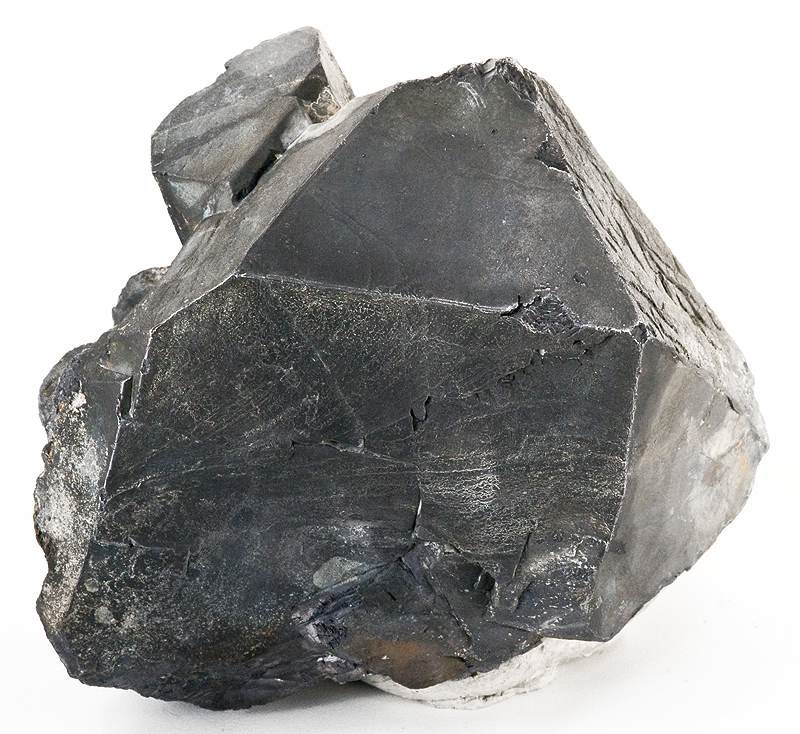
Missouri sits on the ancient, mineral-rich rocks of the Ozark uplift, and that geology made it one of America’s great lead-and-zinc producers. Its state rock, mozarkite, is a colourful chert that takes a high polish; its old mining districts yielded world-class galena, sphalerite and calcite; and its dolomite caves and creeks add drusy quartz, geodes and barite.
The geology behind the finds
The Ozark dolomites and limestones host Mississippi Valley-type ore deposits — the Tri-State district around Joplin and the Southeast Missouri “Old Lead Belt” and Viburnum Trend produced spectacular galena, sphalerite, calcite and dolomite specimens. The same rocks grew drusy quartz on dolomite, barite (“tiff”) in Washington County, and the colourful chert known as mozarkite in Benton County. Northeastern Missouri shares the Keokuk geode beds.
What you’ll find
Classic Missouri material
- Mozarkite — Benton County
- Galena, sphalerite, calcite — lead districts
- Geodes & drusy quartz
- Barite, dolomite, crinoid fossils
Before you go
- Active/closed mines are off-limits — material comes via dumps, clubs & shows.
- Creek & field collecting needs landowner permission.
- Read ethics & law first.
Mozarkite in pink, red and purple is a cabber’s delight. The lead-district galena cubes and amber calcite are classic American specimens, and northeast Missouri’s geodes (part of the Keokuk beds) give the same crystal-cavity thrill as their Iowa neighbours.
Where to go, region by region
Benton County — mozarkite
The Lincoln / Benton County area is the source of mozarkite, the polishable state rock — collected on permitted ground and sold locally.
The lead districts (SE & SW Missouri)
The Old Lead Belt, Viburnum Trend and Tri-State (Joplin) districts produced world-class galena, sphalerite and calcite. The mines are closed, so specimens reach collectors through dumps (where accessible), shows and the trade.
Northeast Missouri — geodes
Shares the Keokuk geode beds with neighbouring Iowa and Illinois — fee-dig and private sites apply.
When to go
Missouri collecting runs spring through fall. Spring rains expose fresh mozarkite and geodes, and the milder shoulder seasons are most comfortable for fieldwork in the Ozarks.
Gear & field tips
- For mozarkite: surface-hunt permitted outcrops; it’s prized for lapidary, so check colour and solidity.
- For geodes: a mattock and a way to crack nodules.
- Never enter closed or active mine property — collect specimens through legitimate channels.
Rules & access
Missouri’s famous mine minerals come mostly through the specimen trade now, since the mines are closed — never trespass on mine land. Mozarkite, geode and creek collecting needs landowner permission. Read our guide to collecting ethics & the law.
Clubs & shows
Midwest and South Central Federation clubs are active in Missouri and run mozarkite and geode trips. The state hosts strong gem & mineral shows — browse our clubs directory.
Want Missouri galena or polished mozarkite?
Sponsored — partner shop · Minerals KingdomFrequently asked questions
What is mozarkite?
A colourful chert (pink, red, purple) from Benton County that polishes beautifully — Missouri’s official state rock and a lapidary favourite.
Can I collect at Missouri’s lead mines?
No — the mines are closed and off-limits. The district’s famous galena, sphalerite and calcite specimens are obtained through shows and the mineral trade.
Where can I find geodes in Missouri?
In the northeast, part of the Keokuk geode beds shared with Iowa and Illinois — via fee-dig and private sites with permission.