 FIELD
FIELD Rockhounding in Illinois
Cave-in-Rock fluorite, western-Illinois geodes, and the astonishing Mazon Creek fossils — Illinois punches well above its flat profile.
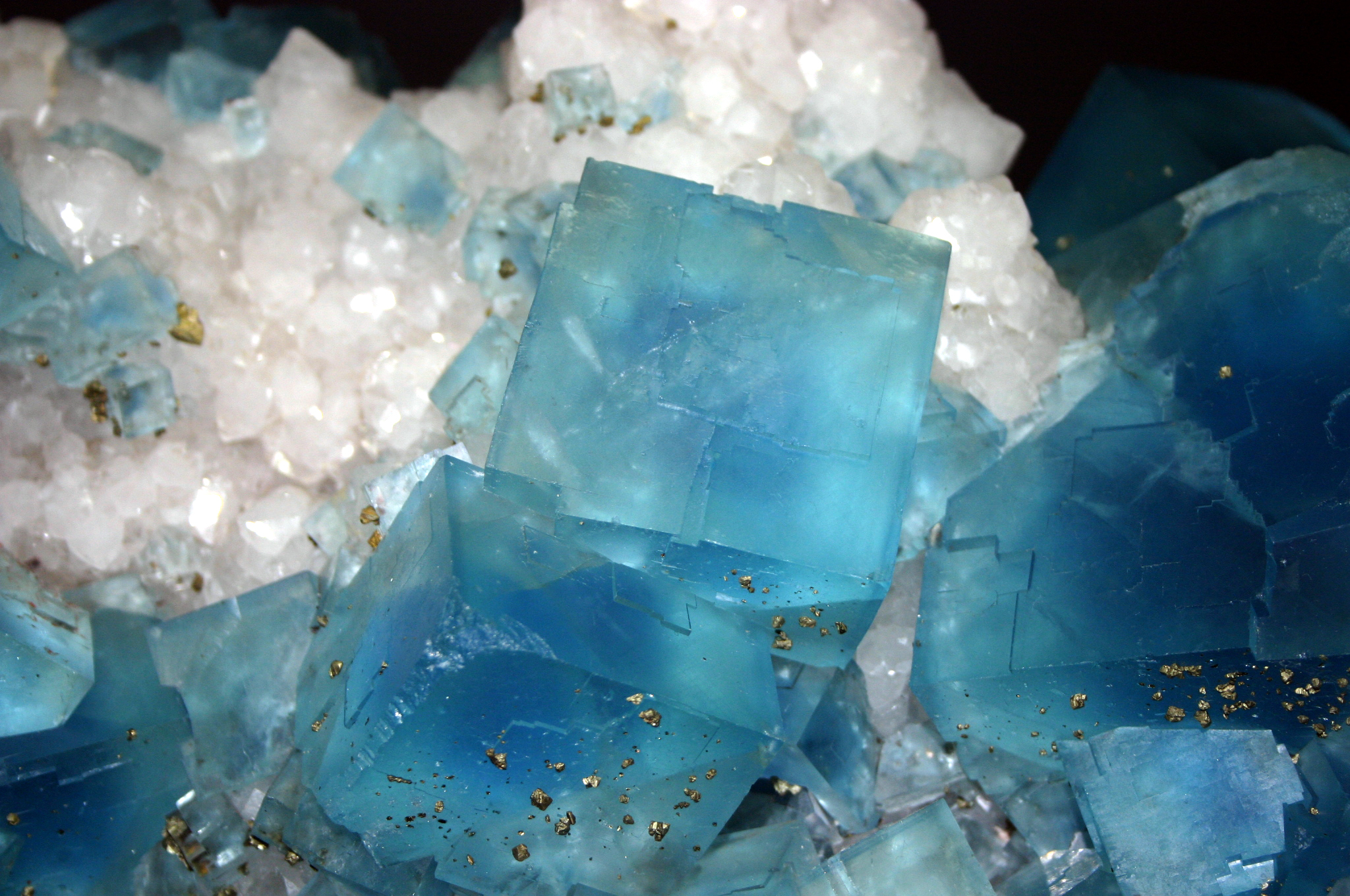
Illinois made fluorite its state mineral thanks to the famous Cave-in-Rock district, and the state offers two more rockhounding treasures: the quartz geodes of its western counties, and the extraordinary Mazon Creek fossils — ironstone concretions that preserved soft-bodied creatures, including the enigmatic “Tully monster,” the state fossil.
The geology behind the finds
In the far south, hydrothermal fluids deposited gem-grade purple and yellow fluorite with calcite and sphalerite in the Hardin County (Cave-in-Rock) district. Western Illinois shares the Mississippian geode beds of the Keokuk region. And near Braidwood, the Mazon Creek ironstone concretions — formed in a Carboniferous delta — split open to reveal ferns, jellyfish, shrimp and the soft-bodied Tullimonstrum.
What you’ll find
Classic Illinois material
- Fluorite — Hardin County (Cave-in-Rock)
- Geodes — western Illinois (Keokuk beds)
- Mazon Creek fossils — ironstone concretions
- Calcite, sphalerite, galena
Before you go
- Most fluorite mines are closed — material comes via dumps/clubs/shows.
- Mazon Creek collecting areas (spoil piles) have access rules — check current status.
- Read ethics & law first.
Illinois fluorite — vivid purple and yellow cubes — is a classic American mineral, though the mines are closed and specimens now circulate through the trade. Geodes give the familiar crack-and-reveal thrill, and a day cracking Mazon Creek concretions can yield a 300-million-year-old fern or, with luck, a rare soft-bodied animal.
Where to go, region by region
Hardin County — Cave-in-Rock fluorite
The historic fluorspar district produced the state’s famous fluorite. The mines are closed, so the purple-and-yellow cubes are obtained via shows and the specimen trade.
Western Illinois — geodes
Western counties share the Keokuk geode beds — fee-dig and private sites apply.
Mazon Creek (Grundy/Will counties)
The spoil piles of former coal mines near Braidwood are the world-famous source of Mazon Creek concretions. Access varies and is sometimes restricted, so check current rules before collecting.
When to go
Illinois collecting runs spring through fall. Mazon Creek concretions are best gathered, then left to “freeze-thaw” over winter so they split naturally along the fossil — a patient collector’s trick.
Gear & field tips
- For concretions: collect whole, then freeze-thaw them to split cleanly; resist the urge to hammer.
- For geodes: a mattock and a way to crack nodules.
- Confirm access at Mazon Creek sites, as rules change.
Rules & access
The fluorite mines are closed, and Mazon Creek access is variable and sometimes restricted — always verify current rules. Geode and creek collecting is private, so get permission. Read our guide to collecting ethics & the law.
Clubs & shows
Midwest Federation clubs are active in Illinois, organise Mazon Creek and geode trips, and track site access. Browse our clubs directory.
Want Illinois fluorite or a Mazon Creek fossil?
Sponsored — partner shop · Minerals KingdomFrequently asked questions
Can I collect Illinois fluorite?
The Cave-in-Rock mines are closed, so the famous purple-and-yellow fluorite is obtained through shows and the mineral trade rather than field-collected.
What are Mazon Creek fossils?
Carboniferous ironstone concretions near Braidwood that preserve plants and soft-bodied animals — including the “Tully monster,” Illinois’s state fossil. Split them by freeze-thaw, not hammering.
Where can I find geodes in Illinois?
In the western counties, part of the Keokuk geode beds — via fee-dig and private sites with permission.