 FIELD
FIELD Rockhounding in Alabama
Star blue quartz, Appalachian gold and rich fossil beds — Alabama spans crystalline highlands in the north and a fossil-laden coastal plain in the south.
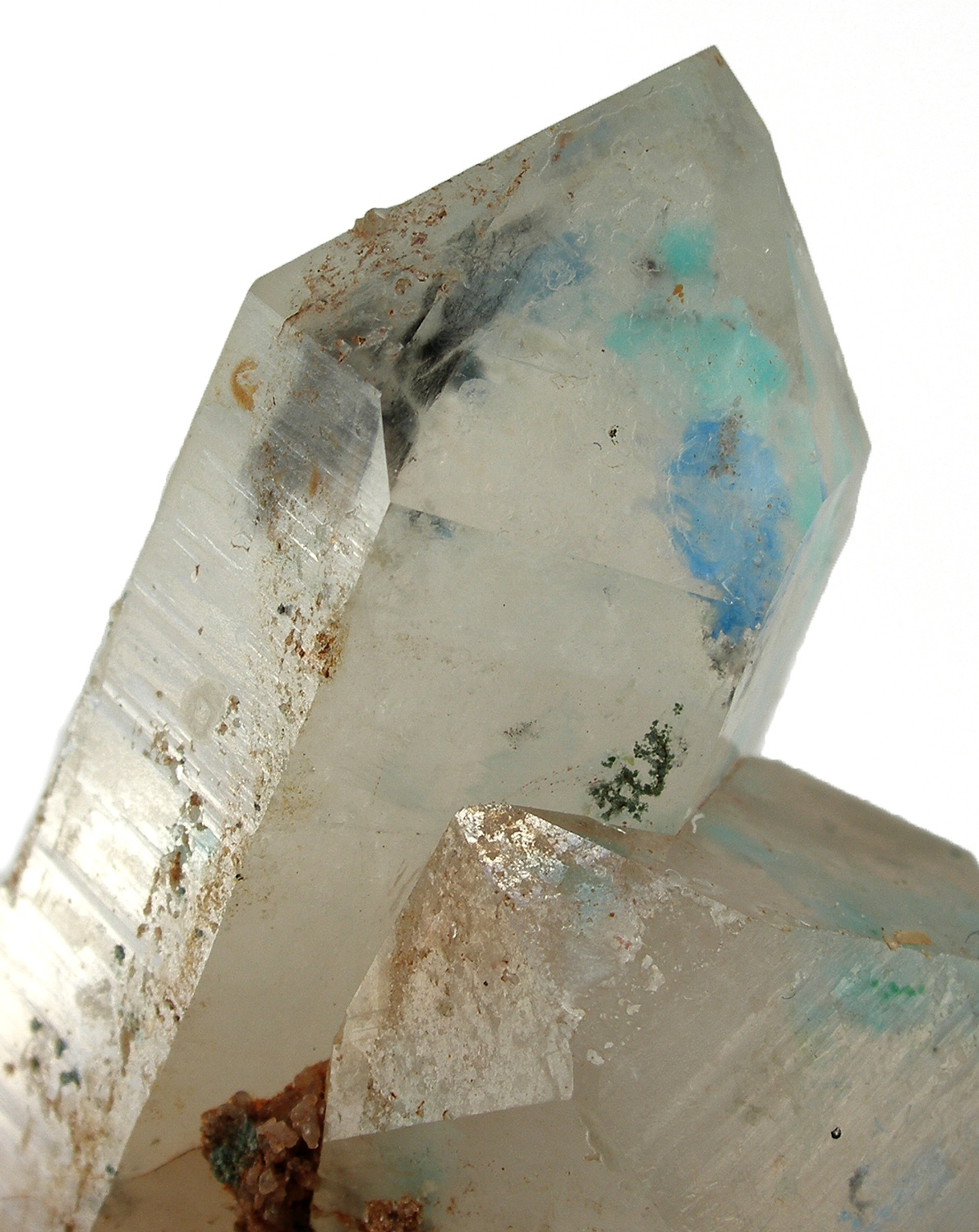
Alabama’s geology divides the state. The northern highlands sit on the southern tip of the Appalachians, with gold, quartz, garnet and the famous iron ore of Red Mountain. The southern coastal plain, by contrast, is a fossil treasure house of ancient whales, sharks and sea life. Together they make Alabama a surprisingly varied collecting state.
The geology behind the finds
The Appalachian Piedmont of east Alabama holds the gold belt around Goldville and Hog Mountain, plus quartz, garnet, beryl and the asteriated “star blue quartz” that became the state gem. Red Mountain at Birmingham is built of fossil-rich hematite iron ore. The coastal plain to the south preserves Cretaceous and later marine fossils — including the great whale Basilosaurus, the state fossil.
What you’ll find
Classic Alabama material
- Star blue quartz (state gem)
- Gold — east Alabama gold belt
- Hematite, garnet, beryl
- Fossils & petrified wood
Before you go
- Gold panning: recreational, know permission/claims.
- Most highland sites are private — ask first.
- Vertebrate fossils may need scientific oversight.
- Read ethics & law first.
Alabama gold still draws recreational panners to the east-Alabama creeks, and star blue quartz shows a soft asterism when cut as a cabochon. The coastal plain’s marine fossils — shark teeth, echinoids and whale bone — are easier and abundant for those who know the exposures.
Where to go, region by region
East Alabama — the gold belt & Piedmont
The Goldville / Hog Mountain district and surrounding Piedmont offer recreational gold panning and quartz, garnet and beryl. Most ground is private, so secure permission.
The coastal plain
Cretaceous and Eocene exposures in the south yield shark teeth, echinoids and marine fossils — collect weathered material with permission.
When to go
Alabama collecting is best in spring and fall, avoiding the humid Deep-South summer. Creek levels are lower and more workable for gold in the drier months, and rain refreshes the fossil exposures.
Gear & field tips
- For gold: a pan and classifier; learn to read where heavy material settles in a creek.
- For fossils: a hand lens and a bag; many specimens weather loose from the soft coastal-plain rock.
- Get landowner permission before entering creeks or fields.
Rules & access
Most Alabama collecting is on private land, so permission is essential, and gold panning must respect any claims. Significant vertebrate fossils carry scientific responsibility. Read our guide to collecting ethics & the law.
Clubs & shows
Southeast Federation clubs are active in Alabama and run gold, mineral and fossil trips. Browse our clubs directory.
Want Alabama gold or a fossil specimen?
Sponsored — partner shop · Minerals KingdomFrequently asked questions
Can I pan for gold in Alabama?
Yes — the east-Alabama gold belt around Goldville and Hog Mountain is the classic area for recreational panning, with permission and respect for any claims.
What is star blue quartz?
A blue-grey quartz that shows a star (asterism) when cut as a cabochon — Alabama’s state gem.
Where are Alabama’s best fossils?
In the coastal plain of the south, where Cretaceous and Eocene rocks yield shark teeth, echinoids and the whale Basilosaurus (the state fossil).