 FIELD
FIELD The Crystal Peak district near Lake George, in Teller County, Colorado, is one of the world’s great crystal localities — the classic source of striking amazonite and smoky quartz, often grown together in the same pocket. It sits in the Pikes Peak granite at high elevation. Much of the ground is claimed or worked as fee digs, so this is not casual free collecting — confirm access and arrange a dig before you go.
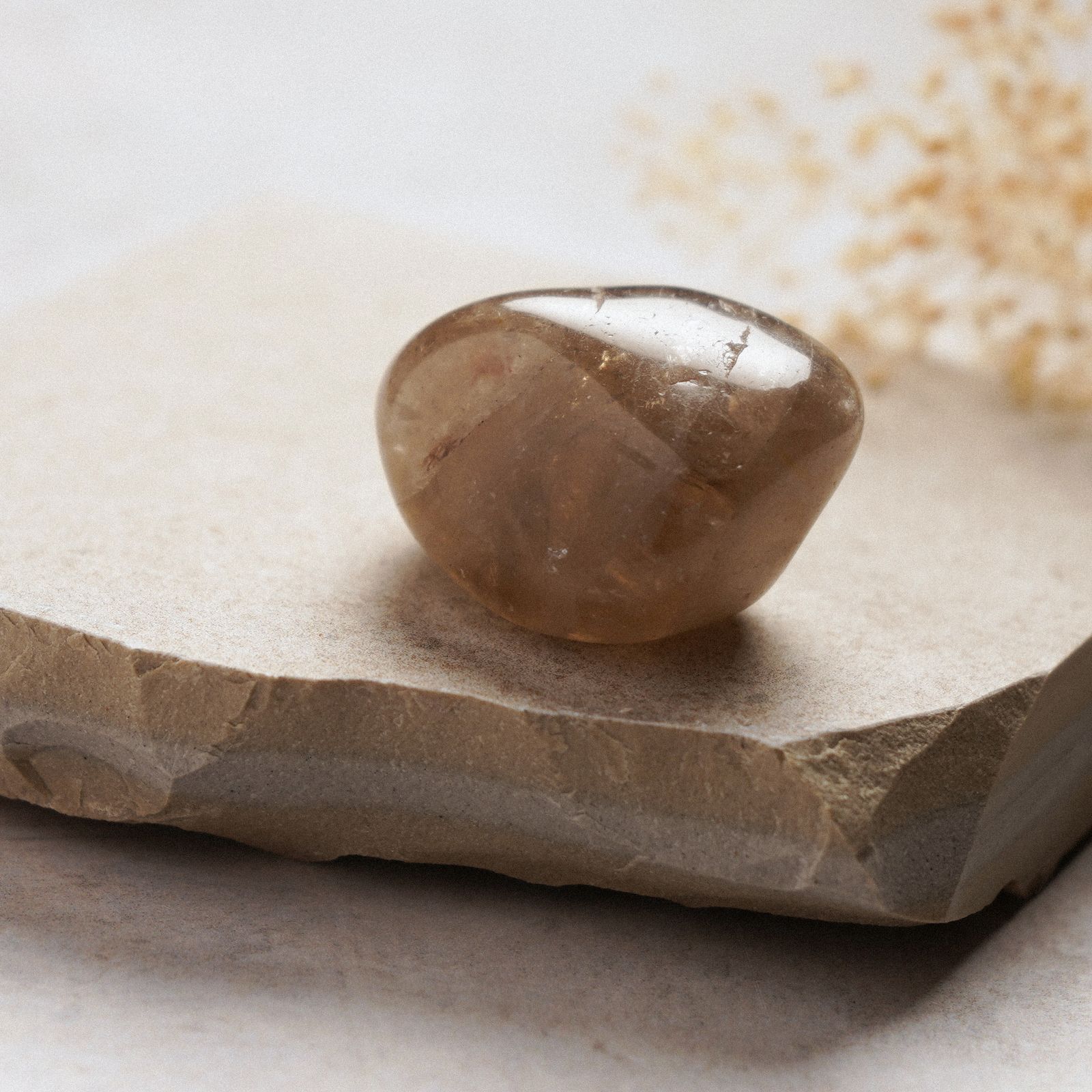
The geology behind the pockets
The Crystal Peak crystals come from the Pikes Peak granite, a vast billion-year-old igneous body riddled with miarolitic cavities — gas pockets where slow cooling let large, well-formed crystals grow. Here microcline feldspar took on its rare blue-green amazonite color, frequently intergrown with jet-brown smoky quartz, and accompanied by topaz, fluorite and phenakite. The pairing of blue-green amazonite with smoky quartz on a single specimen is the district’s calling card and one of the most recognizable looks in all of American mineralogy.
What you’ll find
The minerals
- Amazonite — blue-green microcline
- Smoky quartz crystals
- Topaz and fluorite
- Phenakite and rare accessories
Access & the law
- Heavily claimed — much of the district is under active mining claims.
- Collecting is mainly via commercial fee digs or by permission.
- Never dig a claim uninvited — confirm current access first.
How collecting works
Crystal Peak is a hard-dig district: pockets are chased through granite and decomposed feldspar with real effort. On an organized fee dig, operators point you to productive ground and you work it with picks, pry bars, screens, gloves and eye protection, easing crystals out of the soft pocket clay. Bring padding and boxes to protect delicate amazonite and smoky quartz on the way out. It is rewarding but strenuous work at altitude, so pace yourself, hydrate, and be ready for fast mountain weather.
Access, claims & altitude
This is not a place to wander and dig freely. The Crystal Peak area is extensively claimed, and unauthorized digging on a claim is both illegal and resented. Legitimate collecting is done through commercial fee-dig operations or by explicit permission from claim holders — so arrange your dig in advance and confirm it is running. The district sits at high elevation, where afternoon thunderstorms, cold and thin air are real factors: come prepared for mountain conditions.
Amazonite & smoky quartz country
Few localities are as celebrated as the Pikes Peak batholith around Lake George and Crystal Peak. For over a century its amazonite–smoky quartz combinations have filled museum cases and private collections worldwide, admired for the electric contrast of blue-green feldspar against dark, glassy quartz. The district also yields fine topaz and phenakite. That concentration of world-class, photogenic specimens is why Crystal Peak is a bucket-list name for crystal collectors — even though getting to dig here takes planning.
Getting there
The gateway is Lake George, west of Colorado Springs on US-24, with the collecting ground in the hills of Teller and Park counties nearby. Fee-dig operators provide directions to their claims. Gather fuel and supplies before heading up, as mountain services are limited, and use the operator’s route rather than an old guidebook, since access and roads change.
When to go
The season runs late spring through fall, once the snow clears and before winter returns to the high country. Summer mornings are best; afternoons often bring thunderstorms at altitude, so start early and watch the sky. Bring layers, sun protection and plenty of water, and confirm the fee dig’s open dates before making the drive.
Plan your trip
Pair this with the wider Colorado rockhounding guide, and read collecting ethics & the law before you go.
Frequently asked questions
What is Crystal Peak known for?
World-class amazonite and smoky quartz from the Pikes Peak granite, often intergrown on a single specimen, along with topaz, fluorite and phenakite.
Can I collect there for free?
Mostly no. The district is heavily claimed; legitimate collecting is through commercial fee digs or by permission. Never dig a claim uninvited — confirm access first.
Why do amazonite and smoky quartz occur together?
Both grew in the same miarolitic pockets of the Pikes Peak granite, so blue-green microcline and smoky quartz frequently crystallized side by side.
Is the digging hard?
Yes — it is hard-rock pocket work with picks and pry bars at high elevation. Bring eye protection, padding for crystals, water and layers for mountain weather.
When should I visit?
Late spring through fall. Start early to avoid afternoon thunderstorms at altitude, and confirm the fee dig’s open dates before you travel.
Want an amazonite specimen?
Sponsored — partner shop · Minerals Kingdom
Written by The Field & Stone Editors. Informational only — access varies; most ground is claimed. Confirm current status and permission before collecting. Published by KEVALEX Group.