 FIELD
FIELD The Woodward Ranch, south of Alpine in Brewster County, West Texas, is one of the most storied fee-dig agate localities in the country. Across its high-desert acres, collectors hunt the surface for plume agate, pom-pom agate, red plume and other prized varieties, then pay by the pound for what they carry out. Ranch access and hours have changed over the years, so confirm the current operation before you plan a trip.
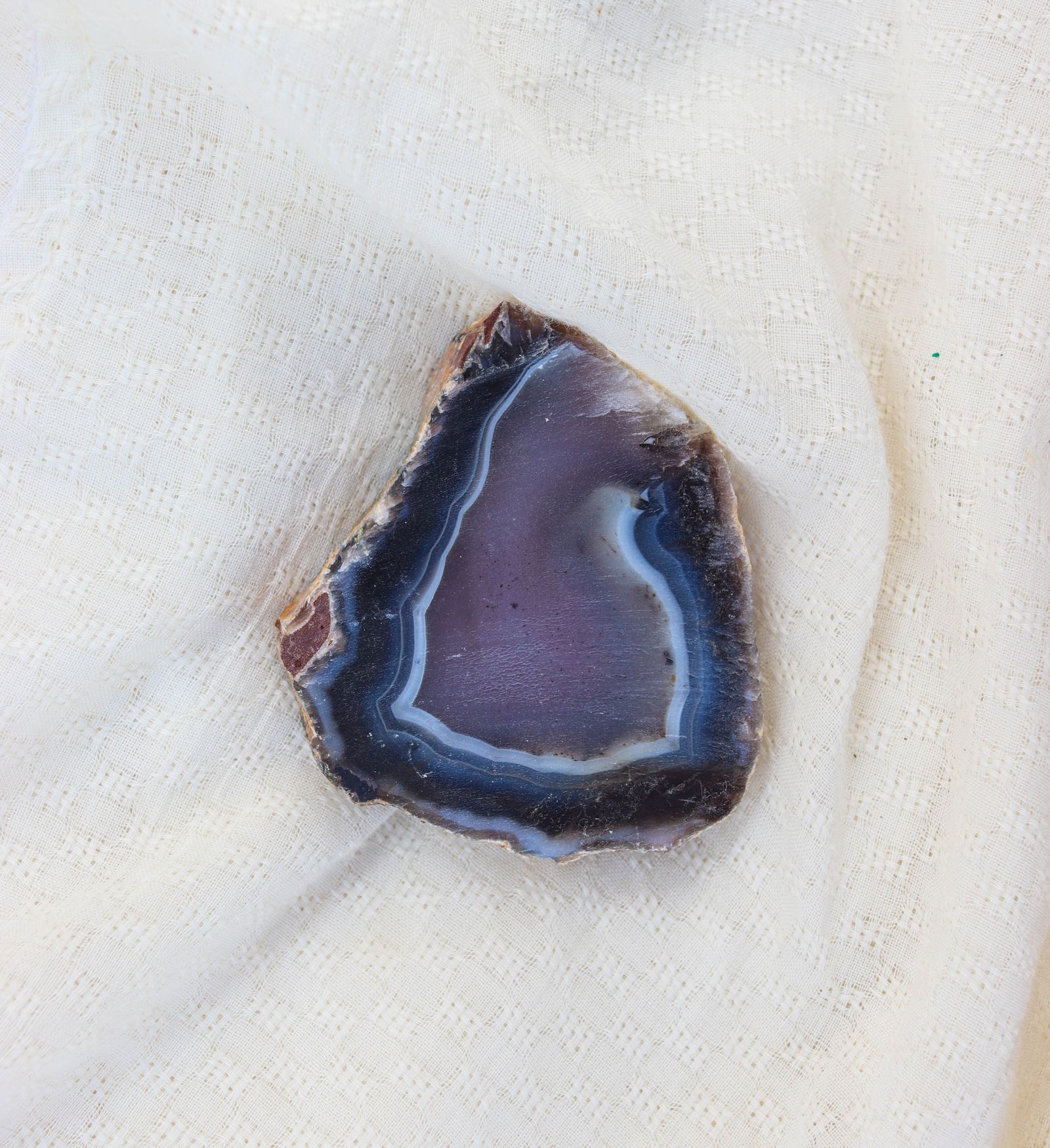
The geology behind West Texas agate
The Big Bend country around Alpine is built of volcanic rock from a fiery chapter of Texas geology. Silica-rich fluids filled cavities and fractures in these lavas, growing agate in endless patterns — including the feathery mineral inclusions that make plume agate and the rounded sprays of pom-pom agate so collectable. The Woodward Ranch sits on ground rich in this material, weathered out across the surface and eroding from the hills, which is why a simple walk-and-look hunt can be so productive here.
What you’ll find
The minerals
- Plume agate — feathery mineral inclusions
- Pom-pom agate — rounded plume sprays
- Red plume and precious/opal agate
- Jasper and common agate
Access & the law
- Private ranch — historically a fee-dig; you pay by the pound.
- Access and hours have varied — verify current status and fees first.
- Follow the owner’s rules and stay within permitted areas.
How collecting works
This is easy, surface-collecting work rather than hard digging: you walk the ground, turn likely stones, and fill a bucket with keepers to be weighed and paid for at the ranch. Bring a rock pick, a spray bottle of water, gloves and buckets, plus sturdy boots for the desert terrain. Because you pay by weight, most collectors are selective — carrying out the best-patterned plume and pom-pom agate rather than every chip. A hand lens helps you judge the plumes in the field.
A note on access
Woodward Ranch has long operated as a pay-to-dig destination, but arrangements can change with ownership and season, including periods of limited access. Older guidebooks may be out of date, so check the current situation, hours and fees and get permission before traveling — this is private ranch land, and you should never enter uninvited.
Big Bend agate country
The Alpine–Marfa–Big Bend region is legendary among American agate collectors, and Woodward Ranch is one of its keystones. Decades of rockhounds have made the pilgrimage for the ranch’s plume and pom-pom agate, cutting the feathery patterns into cabochons and slabs that show why West Texas material is so sought after. That combination of a genuine walk-the-land hunt and world-class agate is exactly what has kept the ranch on the map for so long.
Getting there
The gateway town is Alpine, in the Big Bend country of West Texas, reached via US-90 and TX-118. The ranch lies south of town off the highway on private roads. Gather fuel, food and water in Alpine, as services are sparse once you leave town. Use the ranch’s own directions and confirm you are expected, since access is across private land.
When to go
The comfortable season runs fall through spring; West Texas summers are hot, though the high desert cools at night. Spring and autumn offer the best surface-hunting weather, and a dry, sunny day after rain is ideal for spotting agate. Confirm the ranch’s open days and fees before making the long drive.
Plan your trip
Pair this with the wider Texas rockhounding guide, and read collecting ethics & the law before you go.
Frequently asked questions
What is Woodward Ranch known for?
Plume agate, pom-pom agate and red plume from the volcanic country near Alpine, West Texas — collected on a fee-dig basis and paid for by the pound.
How does the fee-dig work?
You hunt the surface for agate and pay by weight for what you keep. Confirm the ranch’s current hours, fees and access before traveling, as arrangements have varied.
What is plume agate?
Agate containing feathery, plant-like mineral inclusions (“plumes”). Pom-pom agate shows rounded sprays of the same. Both are prized by lapidaries for cabochons.
Do I need to dig?
Mostly no — it is largely a surface hunt. Bring a rock pick, water to wet stones, gloves, buckets and sturdy boots, plus a hand lens to judge the plumes.
When is the best time to visit?
Fall through spring, avoiding the summer heat. A dry, sunny day after rain is ideal for spotting agate on the surface.
Want a plume agate slab?
Sponsored — partner shop · Minerals Kingdom
Written by The Field & Stone Editors. Informational only — access varies; confirm current status, fees and rules before collecting. Published by KEVALEX Group.