 FIELD
FIELD Rockhounding in Wyoming
Wyoming nephrite jade, Sweetwater agate, and fifty-million-year-old fish you can quarry yourself — the Cowboy State is wide-open, high-desert collecting country for the well-prepared.
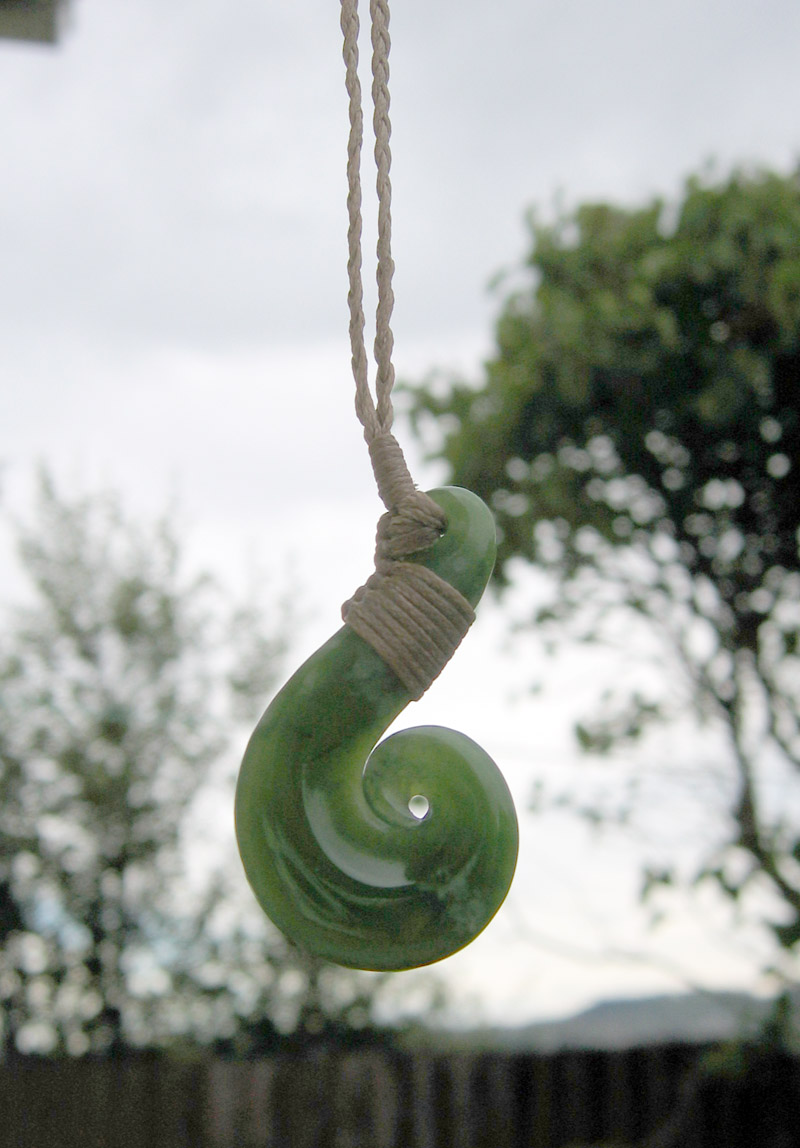
Wyoming made nephrite jade its state gem for good reason — the high desert of the central state was once one of America’s great jade-hunting grounds. Add Sweetwater agate, petrified wood, and the world-famous fossil-fish quarries near Kemmerer, and Wyoming becomes a rockhound’s road trip. The catch is land ownership: the state’s “checkerboard” of public and private sections makes knowing where you stand essential.
The geology behind the finds
Wyoming’s nephrite jade formed in metamorphic rocks of the central ranges and weathered into the desert gravels around the Sweetwater River and Jeffrey City. The same basins carry Sweetwater agate — a clear-to-blue chalcedony with black moss-like inclusions. Far to the southwest, the Green River Formation preserves an entire Eocene lake bed, its fine limestone packed with perfectly articulated fossil fish.
What you’ll find
Classic Wyoming material
- Nephrite jade — central Wyoming (Sweetwater area)
- Sweetwater & dryhead agate
- Fossil fish — Green River Formation (Kemmerer)
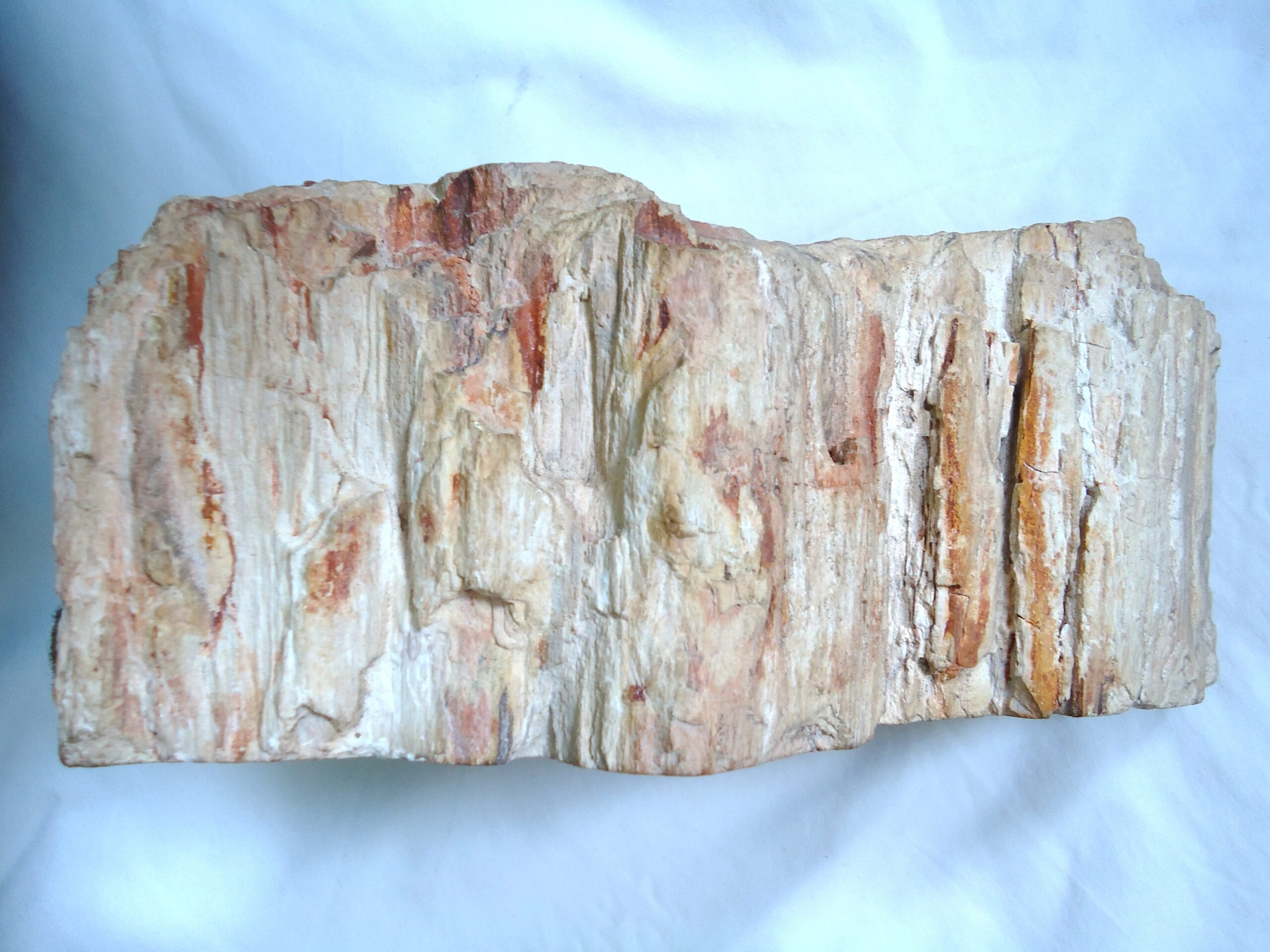
- Petrified wood, jasper, ammonite
Before you go
- Jade ground mixes public and private/checkerboard land — confirm status carefully.
- Fee-dig fish quarries near Kemmerer let you keep common fish (Knightia/Diplomystus).
- Fossil Butte National Monument: no collecting.
- Featured dig: Sweetwater moss agate surface hunt.
- Read ethics & law first.
Wyoming jade ranges from apple-green to deep “black” jade, tough as steel and prized by carvers. The fossil-fish quarries are the other unforgettable Wyoming experience: split a slab of buff limestone and a 50-million-year-old Knightia lies inside, ready to keep.
Where to go, region by region
Central Wyoming jade country
The Sweetwater / Jeffrey City area is the historic source of Wyoming jade and agate. Land ownership here is complex — a checkerboard of public and private sections — so map your ground carefully and collect only where it’s legal.
Kemmerer fish quarries
Private fee-dig quarries in the Green River Formation near Kemmerer let you split limestone and keep your own fossil fish — one of the most reliable fossil experiences in the country.
The high desert
Across the basins you’ll find petrified wood, jasper and agate on BLM land, within personal-use limits.
When to go
Wyoming is a summer state for rockhounding — high elevation means long winters and late snow. June through September gives the most reliable access to the jade country and the desert basins; the fish quarries run through the warm season.
Gear & field tips
- For jade and agate: a sharp eye on the desert float, plus a way to test toughness (jade resists scratching and rings when tapped).
- For fish fossils: the quarry supplies tools; a flat chisel splits the limestone cleanly.
- Carry water, fuel, recovery gear and a detailed land-ownership map — services are far apart.
Rules & access
The checkerboard land pattern is the defining Wyoming issue: alternating public and private square-mile sections mean you can be legal on one and trespassing on the next. BLM ground allows personal-use collecting; the fish quarries are private fee operations; and Fossil Butte National Monument prohibits collecting. Confirm status and read our guide to collecting ethics & the law.
Clubs & shows
Wyoming clubs run summer field trips and know the legal jade and agate ground. A club is the best way to navigate the checkerboard — browse our clubs directory.
Want Wyoming jade or a fossil fish?
Sponsored — partner shop · Minerals KingdomFrequently asked questions
Can I still find jade in Wyoming?
Yes, though the easy surface jade of decades past is largely picked over. Patient hunters still find it in the central desert — but you must be certain you’re on legal, public ground given the checkerboard land pattern.
Can I keep the fossil fish I dig near Kemmerer?
Yes — the private fee-dig quarries let you keep common fish like Knightia and Diplomystus. Rare species may be subject to the quarry’s rules.
What is “checkerboard” land?
A historic pattern of alternating public and private square-mile sections across much of Wyoming. It means land status can change every mile, so a detailed ownership map is essential before you collect.