 FIELD
FIELD The Black Hills Rockhound Area near Safford, in Graham County, Arizona, is a free BLM collecting site known for one of the desert’s most coveted materials: fire agate, a chalcedony that flashes iridescent reds, greens and golds. Collectors dig and chisel it from the volcanic host rock and seams, then grind carefully to reveal the “fire.” It is real work in exposed country, so confirm current access and come prepared.
The geology behind the fire
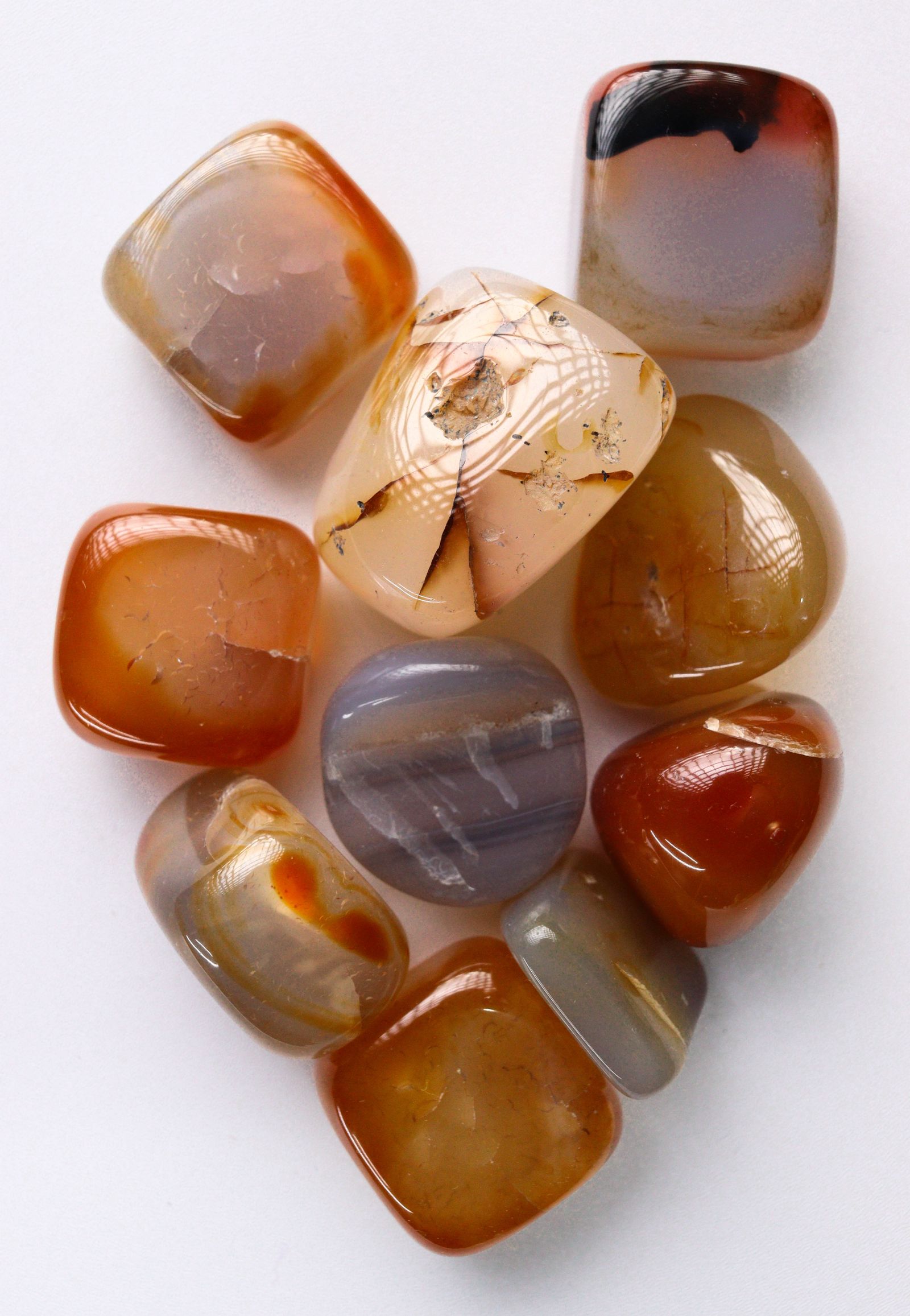
Fire agate is a botryoidal (grape-like) chalcedony that formed in cavities and seams within the region’s volcanic rock. Its signature iridescence comes from thin, microscopic layers of iron oxides (limonite and goethite) trapped between silica bands: light interferes within these films to throw back flashes of red, orange, green and gold. Because the fire sits just below the botryoidal surface, the material is worked down carefully by lapidaries rather than cut flat. Around Safford, the Black Hills district exposes these fire-agate-bearing volcanics across BLM ground.
What you’ll find
The minerals
- Fire agate — iridescent botryoidal chalcedony
- Common chalcedony and quartz
- Seam agate and common opal
- Iron-oxide banded silica
Access & the law
- BLM public land — free casual collecting for personal use is generally allowed.
- Respect any claims, limits and closures in the district.
- Confirm current status and roads with the BLM Safford Field Office first.
How collecting works
This is a hard-rock and seam dig, not a screening site. Collectors chase fire-agate seams in the volcanic rock with hand tools, so a rock pick, chisels, a small sledge, safety glasses and gloves are standard, along with buckets to haul rough home. It is more demanding than a surface hunt: eye protection is essential when striking rock, and the reward — a stone with hidden fire — takes patience both in the field and at the grinding wheel. Bring plenty of water and sun protection.
Access, roads & the desert
The Black Hills area is reached by unpaved BLM roads off the highway corridor near Safford, and conditions vary with weather. High-clearance is often wise, and washes can be soft after rain. There is little or no water, shade or cell coverage at the site, so tell someone your plan, carry recovery gear, and travel with a full tank. On public land you may collect for personal use, but mining claims and seasonal closures exist here — check the current BLM status and never dig a marked claim.
Fire agate country
Southeastern Arizona, together with adjacent areas of California and northern Mexico, is the heart of the world’s fire agate supply, and the Safford district is one of its classic free-collecting grounds. Generations of rockhounds have prized the material for cabochons that seem to hold a coal inside, and the thrill of the hunt is precisely that a dull-looking lump can conceal brilliant fire. That gamble — plus free access on public land — keeps the Black Hills on every desert collector’s list.
Getting there
The staging town is Safford, in the Gila Valley of southeastern Arizona, reached via US-70. Collectors gather fuel, food and especially water in town, then head out on BLM roads into the Black Hills. Because road names and conditions change, use current BLM directions rather than an old guidebook, and confirm the route suits your vehicle before you leave the pavement.
When to go
Aim for the cooler months, fall through spring. Summer heat in southeastern Arizona is severe and best avoided for hard digging. Winter and shoulder seasons offer comfortable working weather, though desert nights are cold. Pick a dry stretch, start early, and always carry emergency water and sun protection.
Plan your trip
Pair this with the wider Arizona rockhounding guide, and read collecting ethics & the law before you go.
Frequently asked questions
What is the Black Hills Rockhound Area known for?
Fire agate — an iridescent botryoidal chalcedony that flashes red, green and gold — collected free on BLM public land near Safford, Arizona.
Is collecting free there?
Casual collecting for personal use is generally allowed on the BLM land, subject to limits and claims. Confirm the current status with the BLM Safford Field Office before visiting.
What is fire agate?
A chalcedony whose iridescence comes from thin iron-oxide films between silica layers. The color sits just below the botryoidal surface and is revealed by careful grinding.
What tools do I need?
A rock pick, chisels, a small sledge, safety glasses, gloves and buckets — this is seam and hard-rock work. Bring plenty of water and sun protection.
When should I go?
Fall through spring. Avoid the dangerous summer heat, start early, watch the weather, and always carry emergency water.
Want a fire agate cabochon?
Sponsored — partner shop · Minerals Kingdom
Written by The Field & Stone Editors. Informational only — access varies; confirm current status, roads and rules before collecting. Published by KEVALEX Group.