 FIELD
FIELD Hauser Geode Beds — free geodes at Wiley’s Well
The Hauser Geode Beds, in the Wiley’s Well district of the California desert, are one of the most famous free, dig-your-own geode sites in the United States. On BLM public land southwest of Blythe, you break and dig hollow nodules from soft volcanic rhyolite and crack them open to reveal agate bands and quartz crystals. It is genuine work in a remote setting, so plan carefully and confirm current access before you go.
The geology behind the geodes
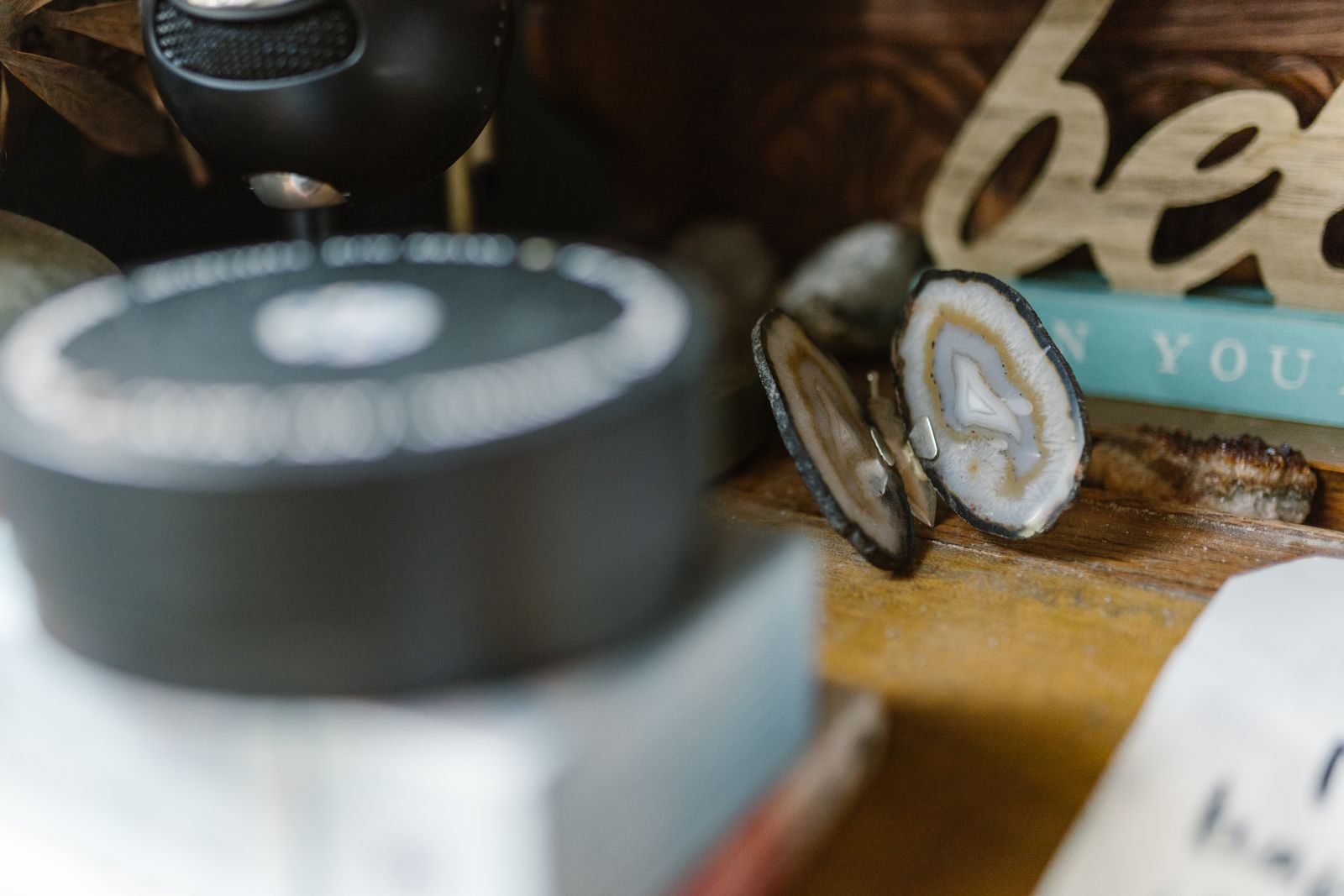
The Wiley’s Well and Hauser beds formed in ancient rhyolite, a fine-grained volcanic rock. Gas bubbles trapped in the cooling lava left rounded cavities, and over time silica-rich fluids lined them with agate, chalcedony and quartz — sometimes filling them solidly (a nodule), sometimes leaving a hollow, crystal-lined geode. Weathering has since freed many nodules into the surrounding wash gravels, while others still sit in the soft host rhyolite waiting to be dug. The result is a district famous among collectors for well-banded geodes and colorful agate.
What you’ll find
The minerals
- Geodes — hollow, crystal-lined nodules
- Agate and banded chalcedony
- Quartz crystal linings
- Solid agate nodules and “coconuts”
Access & the law
- BLM public land — free, casual collecting is generally allowed for personal use.
- Respect daily/annual limits and avoid any marked claims or closures.
- Confirm current road and area status with the BLM before traveling.
How collecting works
Hauser is a dig-and-hammer site, not a screening one. Collectors work the exposed beds and washes, prying and digging nodules from the soft rhyolite with hand tools and hauling them out to crack later. Many people bring a rock pick, pry bar, small shovel, gloves and sturdy buckets, plus a pipe cutter or a careful hammer to open geodes cleanly at home. It is moderate physical work in an exposed desert, so bring far more water than you think you need, sun protection, and a spare tire — the access roads are rough.
Access, roads & the desert
The beds sit in a remote stretch of the Colorado Desert reached by unpaved BLM roads off Wiley’s Well Road. Conditions vary with weather, and high-clearance or 4WD is often wise; sandy washes can trap a low car. There is no water, fuel or cell coverage at the site, so tell someone your plan, travel with a full tank, and carry recovery gear. On public land you may collect for personal use, but claims and seasonal closures exist — check the current BLM status before you set out and never dig a marked claim.
The Wiley’s Well district
Hauser is the best-known of a cluster of collecting areas in the Wiley’s Well district, which also includes the Potato Patch and other geode and agate grounds. Generations of California rockhounds have made the winter pilgrimage here, and the district’s reputation for free, self-dug geodes is a big part of why the Blythe area is on every desert collector’s map. The finds range from fist-sized hollow geodes lined with sparkling quartz to solid agate nodules that take a fine polish — a payoff that rewards the effort and the drive.
Getting there
The staging point is Blythe, on Interstate 10 near the Arizona line. From there, collectors head south on Wiley’s Well Road and onto the desert tracks toward the beds. Gather fuel, food and especially water in Blythe, because there are no services once you leave the pavement. Because road names and conditions change, use current BLM directions rather than an old guidebook, and confirm the route is passable for your vehicle.
When to go
This is a cool-season destination. The best months run late fall through early spring, when desert temperatures are manageable; summer heat here is genuinely dangerous and best avoided entirely. Winter days can be ideal for digging, though nights are cold if you camp. Aim for a dry, mild stretch, start early, and always carry emergency water.
Plan your trip
Pair this with the wider California rockhounding guide, and read collecting ethics & the law before you go.
Frequently asked questions
Are the Hauser Geode Beds free to collect?
Yes — they are on BLM public land, where casual collecting for personal use is generally allowed. Respect posted limits, avoid marked claims, and confirm the current area status before visiting.
What will I find there?
Hollow, crystal-lined geodes plus agate, chalcedony and solid agate nodules, all formed in the district’s volcanic rhyolite. Finds range from sparkling quartz-lined geodes to polishable agate.
Do I need special tools?
A rock pick, pry bar, small shovel, gloves and buckets for digging, and a pipe cutter or careful hammer to open geodes at home. Above all, bring plenty of water.
Can I drive there in a regular car?
The access roads are unpaved and sandy in places, so high-clearance or 4WD is often advisable. Low cars can get stuck in the washes; check conditions and carry recovery gear.
When is the best time to visit?
Late fall through early spring. Summer desert heat is dangerous — avoid it. Start early, watch the weather, and always carry emergency water and sun protection.
Want a ready-cut geode?
Sponsored — partner shop · Minerals Kingdom
Written by The Field & Stone Editors. Informational only — access varies; confirm current status, roads and rules before collecting. Published by KEVALEX Group.