 FIELD
FIELD Rockhounding in New York
Crystal-clear Herkimer “diamonds” you can dig at public mines, deep-red Gore Mountain garnet, and world-class Devonian fossils — New York packs a surprising amount of rockhounding into one state.
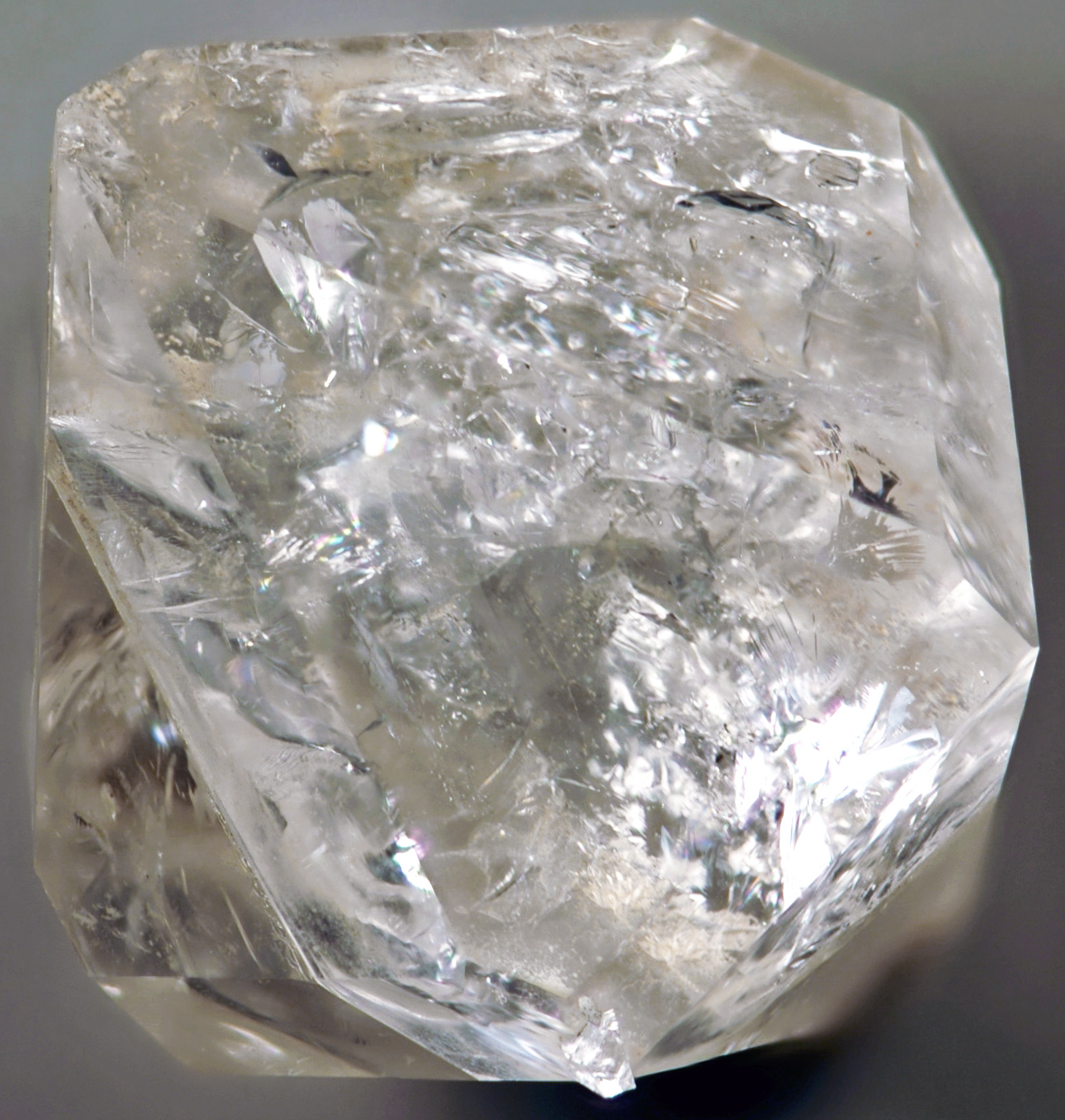
New York’s rockhounding reputation rests on one extraordinary crystal — the “Herkimer diamond,” a doubly-terminated, water-clear quartz that grew free inside ancient dolostone. But the state offers far more: garnet the size of basketballs in the Adirondacks, fluorescent minerals, and some of the best public fossil hunting in the Northeast.
The geology behind the finds
Around Herkimer, half-billion-year-old Cambrian dolostone holds cavities (“vugs”) where silica crystallised slowly into perfectly clear, eighteen-faced quartz crystals — terminated on both ends because they grew suspended in the pocket. In the Adirondacks, intense metamorphism produced enormous almandine garnet at Gore Mountain, while western New York’s Devonian shales and limestones preserve trilobites, brachiopods and corals in abundance.
What you’ll find
Classic New York material
- Herkimer diamonds — doubly-terminated quartz
- Garnet — Gore Mountain (Adirondacks)
- Calcite, pyrite, fluorite, dolomite
- Fossils — Devonian trilobites & brachiopods
Before you go
- Herkimer fee-dig mines (Herkimer Diamond Mines, Ace of Diamonds, Crystal Grove) — pay & dig.
- Bring a hard hammer, chisel, eye protection & gloves — the dolostone is tough.
- Wild sites and quarries often need permission.
- Read ethics & law first.
The thrill of a Herkimer diamond is its clarity: pull one from the grey rock, rinse it, and it sparkles like a cut gem with no cutting at all. Gore Mountain garnet runs deep brownish-red and was once mined industrially for abrasives. And in the west, a day splitting shale can yield a pocketful of 380-million-year-old trilobites.
Where to go, region by region
The Mohawk Valley — Herkimer & Middleville
The fee-dig mines around Herkimer and Middleville are the place for Herkimer diamonds. You can crack the hard dolostone pockets with a sledge, or sift the loose “pay dirt” the mines provide — the easiest route for families and beginners.
The Adirondacks
Gore Mountain (Barton garnet) near North Creek is famous for large, deep-red garnet, and the wider Adirondacks host classic mineral localities for those who research access carefully.
Western New York fossils
The Devonian quarries and creek exposures around Buffalo — including well-known public fossil parks — let you collect trilobites, brachiopods and horn corals by the bagful.
When to go
New York rockhounding runs late spring through fall. The Herkimer mines open roughly April to November; Adirondack and western fossil sites are best in warm, dry weather. Spring rains and freeze-thaw also help by loosening fresh material in creek beds and quarry walls.
Gear & field tips
- For Herkimer pockets: a heavy crack hammer, chisels, safety glasses and gloves — the dolostone fights back.
- For sifting pay dirt: a simple screen and a bucket of water to spot the sparkle.
- For fossils: a flat chisel to split shale along its bedding planes.
Rules & access
The simplest legal collecting is at the fee-dig Herkimer mines and public fossil parks. Many classic mineral quarries are private or closed, so seek permission or go with a club. State parks and preserves generally prohibit collecting. Read our guide to collecting ethics & the law before heading out.
Clubs & shows
Eastern Federation clubs run trips to the Herkimer mines, the Adirondacks and the western fossil beds, and New York hosts several gem & mineral shows each year. Browse our clubs directory to find one.
Want a flawless Herkimer diamond cluster?
Sponsored — partner shop · Minerals KingdomFrequently asked questions
What is a Herkimer diamond?
It’s not a real diamond — it’s a doubly-terminated, exceptionally clear quartz crystal from the Herkimer area of New York. It grows naturally with 18 faces and two pointed ends, so it looks faceted straight from the rock.
Can anyone dig Herkimer diamonds?
Yes — several fee-dig mines around Herkimer and Middleville let you pay, dig or sift, and keep what you find. It’s beginner- and family-friendly.
Where can I find fossils in New York?
Western New York’s Devonian shales and limestones, including public fossil parks near Buffalo, are among the best places in the Northeast to collect trilobites and brachiopods.