 FIELD
FIELD Rockhounding in Maine
Maine’s pegmatites are legendary for tourmaline and beryl — and, uniquely for the Northeast, a public collecting area lets anyone dig amethyst and smoky quartz for free.
The gem pegmatite belt of western Maine has produced some of the finest tourmaline in North America for nearly two centuries, beginning with the famous 1820 discovery at Mount Mica. It’s also one of the friendliest gem states for beginners, thanks to a public collecting area in the White Mountain National Forest where you can dig amethyst and smoky quartz at no charge.
The geology behind the finds
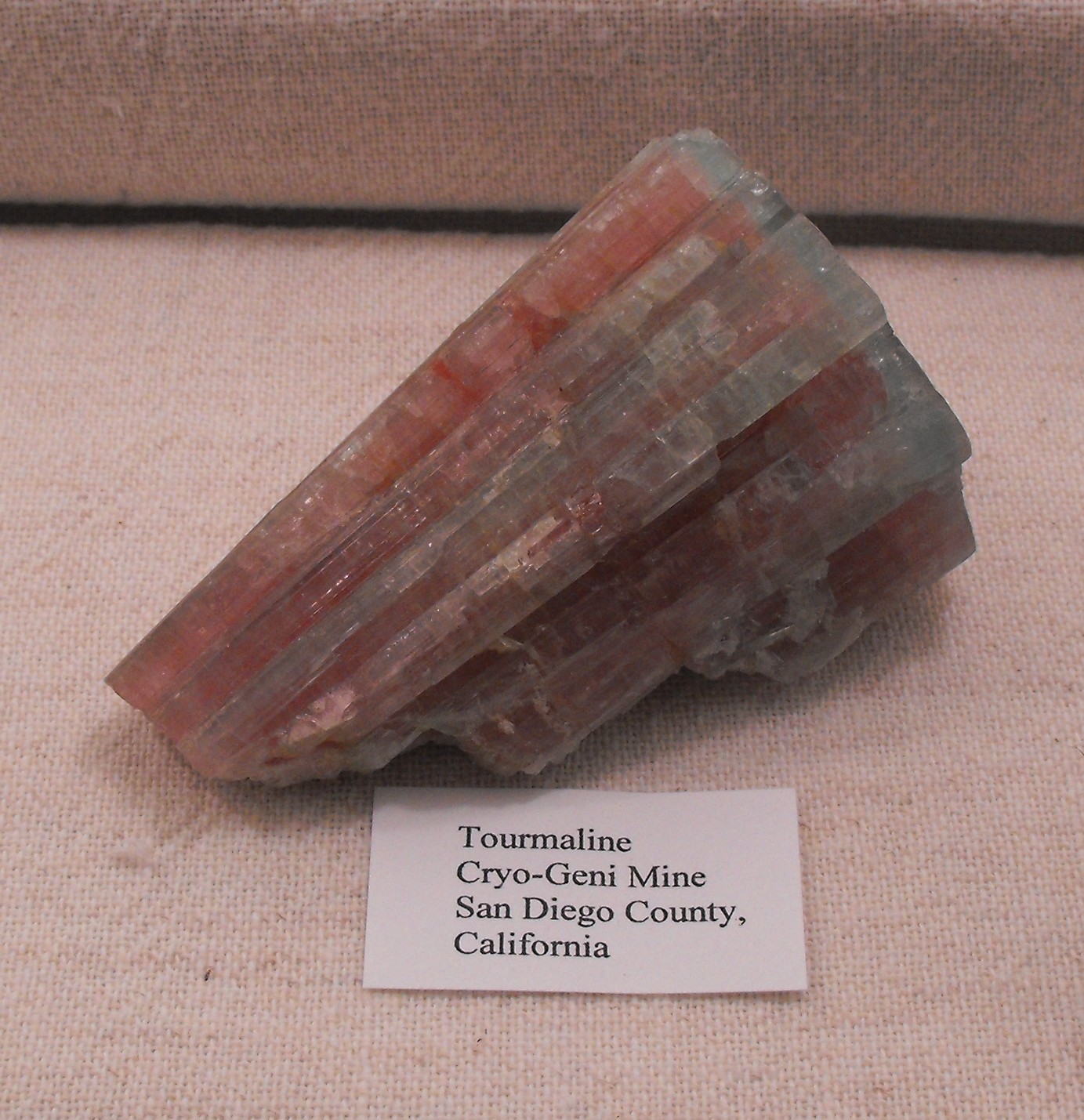
Western Maine sits on a belt of granitic pegmatites — coarse, slowly-cooled veins where rare elements concentrated into large gem crystals. These produced watermelon and green tourmaline, beryl (including aquamarine), and a host of rare phosphate minerals that make Maine a magnet for systematic collectors. Quartz pockets in the same country yield the amethyst and smoky quartz of the Deer Hill area.
What you’ll find
Classic Maine material
- Tourmaline — Mount Mica, Newry pegmatites
- Beryl & aquamarine
- Amethyst & smoky quartz — Deer Hill area
- Feldspar, mica & rare phosphates
Before you go
- The Deer Hill public collecting area (WMNF, near Stow) allows hand collecting of amethyst & smoky quartz.
- Famous mines (Mount Mica, Newry) are private / fee dig — arrange access.
- Featured dig: Deer Hill amethyst & smoky quartz.
- Read ethics & law first.
Maine tourmaline ranges from deep green and pink to the prized “watermelon” cross-sections, and the great pockets at Newry and Mount Mica are part of American gem history. For the everyday collector, the headline is access: at Deer Hill you can legally hand-dig amethyst and smoky quartz on national-forest land.
Where to go, region by region
Oxford County pegmatites
The Newry and Paris (Mount Mica) districts are the heart of Maine gem country — mostly private claims and fee digs, with occasional public collecting events run by mine owners or clubs.
Deer Hill (public)
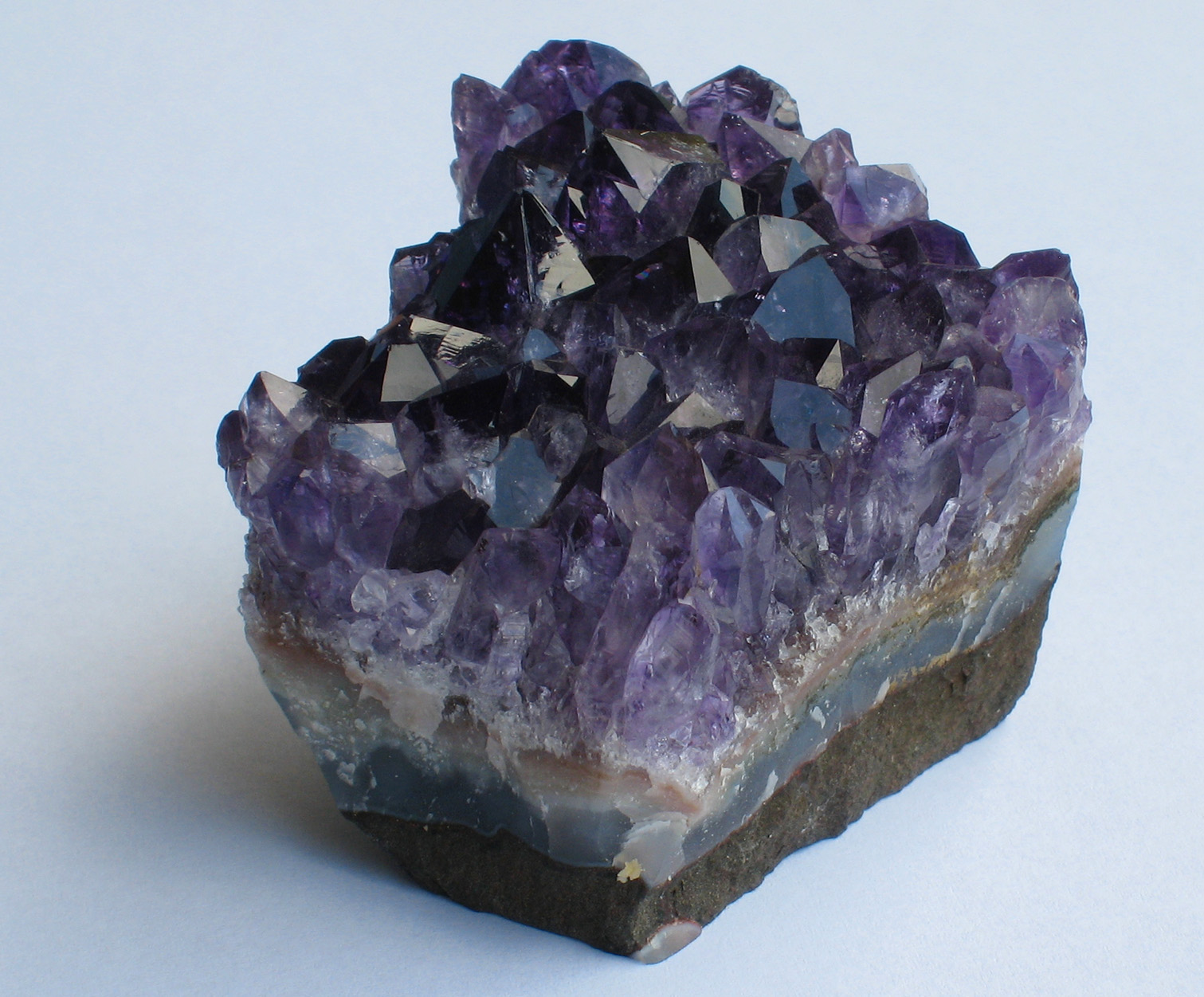
In the White Mountain National Forest near Stow, the Deer Hill area has a designated hand-collecting zone for amethyst and smoky quartz. Check current Forest Service rules and boundaries before you dig.
When to go
Maine rockhounding is a summer pursuit — roughly June through September. Snow lingers in the western mountains, and the pegmatite quarries and Deer Hill are best worked in warm, dry weather.
Gear & field tips
- For Deer Hill: hand tools only where required — a small pick, screen and patience for the quartz pockets.
- For pegmatite fee digs: heavier tools as allowed by the operator; ask about the day’s rules.
- Bring insect protection — Maine’s summer woods are buggy.
Rules & access
Maine offers a rare Northeast combination: a genuine public collecting area (Deer Hill) plus famous fee-dig pegmatites. Confirm current Forest Service rules at Deer Hill, arrange access for private mines, and never collect in protected areas. Our guide to collecting ethics & the law covers the essentials.
Clubs & shows
New England’s clubs run trips into the pegmatite country, and Maine hosts well-known mineral shows. A club is the easiest route to the private mines — see our clubs directory.
Want a piece of Maine watermelon tourmaline?
Sponsored — partner shop · Minerals KingdomFrequently asked questions
Where can I dig for free in Maine?
The Deer Hill public collecting area in the White Mountain National Forest (near Stow) allows hand collecting of amethyst and smoky quartz — check current Forest Service rules first.
Can I collect Maine tourmaline myself?
The famous tourmaline mines (Mount Mica, Newry) are private; access is via fee digs or club events. They’re worth the effort for the quality of the material.
When is the season?
Summer — roughly June to September. Western Maine’s mountains are snowbound much of the rest of the year.
Informational only — confirm access and the law with the managing agency before collecting. Written by The Field & Stone Editors · Published by KEVALEX Group.