 FIELD
FIELD Rockhounding in Colorado
Aquamarine on fourteen-thousand-foot peaks, amazonite-and-smoky-quartz pockets in Pikes Peak granite, topaz, and the rhodochrosite that’s the state mineral — Colorado is high-country gem hunting at its most dramatic.
Colorado’s mineral fame rests on its mountains. The billion-year-old Pikes Peak granite is riddled with miarolitic pockets that grew amazonite, smoky quartz and topaz; the high Sawatch Range produces gem aquamarine near the summits; and the old silver mines gave the world its finest rhodochrosite. The trade-off is access: much of the best ground is high, remote and strictly seasonal.
The geology behind the finds
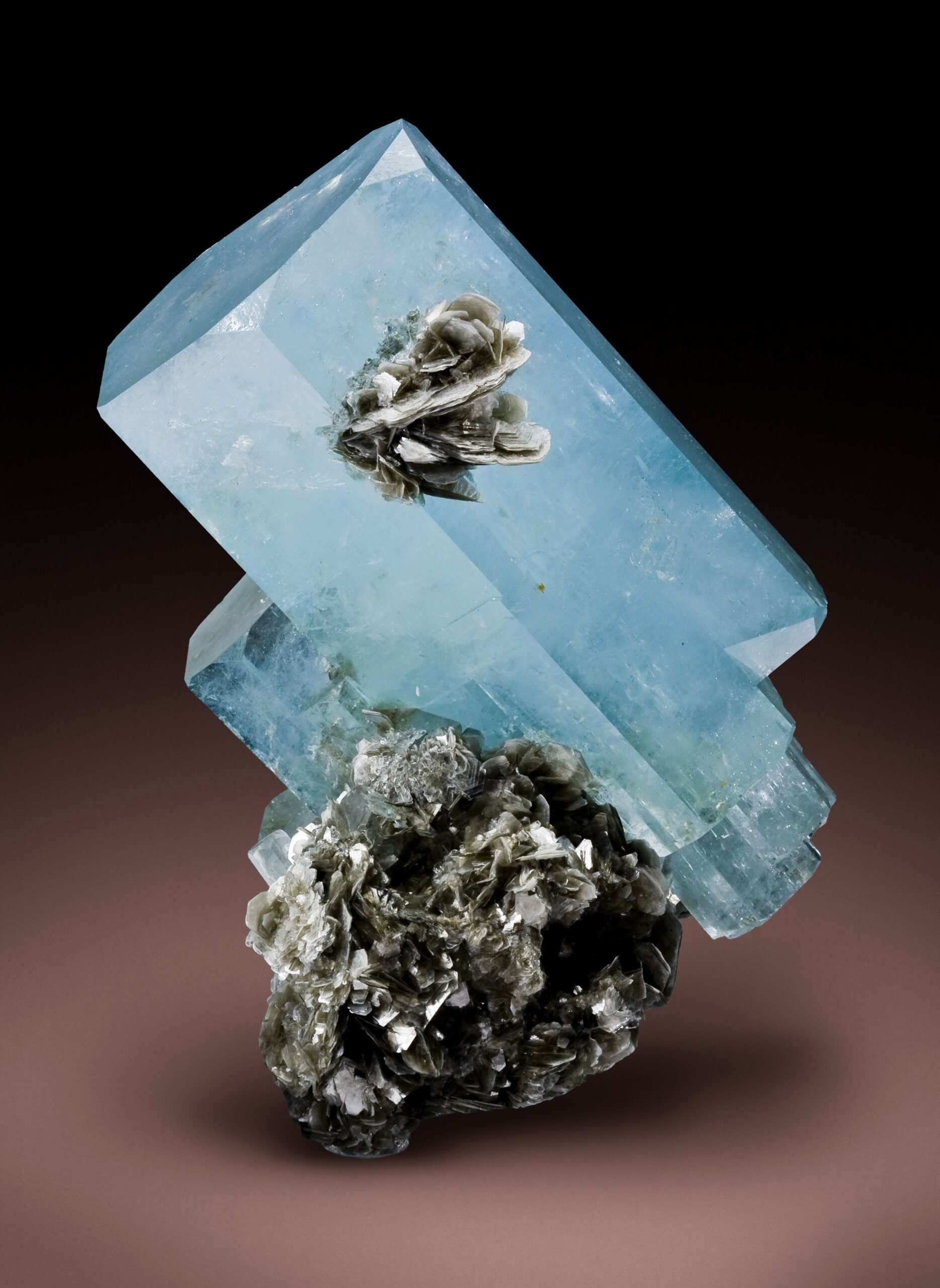
The Pikes Peak batholith is the star. As this huge granite body cooled, gas pockets (miarolitic cavities) lined themselves with crystals — the green microcline called amazonite, paired with glassy smoky quartz, plus topaz, fluorite and rare phenakite. Separately, the high Sawatch Range (Mount Antero, White Mountain) grew gem aquamarine in alpine pockets above timberline, and the silver district near Alma produced the legendary rhodochrosite of the Sweet Home Mine.
What you’ll find
Classic Colorado material
- Aquamarine — Mount Antero / White Mountain (alpine)
- Amazonite & smoky quartz — Pikes Peak / Lake George area
- Topaz — Tarryall, Devils Head
- Rhodochrosite — state mineral (mostly specimen/museum)
- Fluorite, phenakite, microcline
Before you go
- Mount Antero is high-altitude & hazardous — fitness, weather and gear matter.
- Crystal Peak area has fee-dig claims (e.g. Smoky Hawk).
- Much pegmatite ground is staked — know claim boundaries.
- Featured dig: Crystal Peak amazonite & smoky quartz.
- Read ethics & law first.
The iconic Colorado specimen is a plate of blue-green amazonite studded with smoky-quartz points — a combination found in few other places on Earth. Aquamarine from Mount Antero is harder won, requiring an alpine expedition, while rhodochrosite — the cherry-red state mineral — now reaches collectors mostly as treasured mine specimens rather than field finds.

Where to go, region by region
The Pikes Peak batholith
The granite around Lake George and Crystal Peak is famous for amazonite-and-smoky-quartz pockets. Several fee-dig operations (such as the Smoky Hawk claim) give legal, beginner-friendly access to fresh ground.
Mount Antero & the Sawatch
Aquamarine and phenakite occur near the summit of Mount Antero — one of the highest gem localities in North America. This is a serious, high-alpine hunt for experienced, well-equipped collectors only, attempted in the short summer window.
Topaz country
The Tarryall Mountains and Devils Head areas produce topaz alongside smoky quartz in the same Pikes Peak granite.
When to go
High Colorado is a June-to-September game. Snow lingers late and returns early at altitude, and afternoon lightning is a real danger above timberline — start early and be off the high peaks by midday. Lower fee-dig sites near Lake George have a slightly longer season.
Gear & field tips
- Altitude gear: layers, rain shell, sun protection and far more water than at sea level.
- Digging tools for the granite pockets — pry bars, screens and a good eye for “float” that signals a pocket nearby.
- Watch the weather obsessively; turn back for storms.
Rules & access
Two cautions dominate Colorado: mining claims (much pegmatite ground is staked, so collect only on fee-dig claims or unclaimed public land) and altitude safety (Mount Antero is genuinely hazardous). National parks and wilderness prohibit collecting. Fee-dig operations are the simplest legal entry point. Read our guide to collecting ethics & the law before heading up.
Clubs & shows
Colorado’s clubs — including the long-running Colorado Mineral Society — run field trips and the big Denver shows each fall. They’re the best way to learn the claims and find safe, legal ground; see our clubs directory.
Want a Colorado amazonite-and-smoky-quartz plate?
Sponsored — partner shop · Minerals KingdomFrequently asked questions
Where can a beginner dig in Colorado?
The fee-dig claims around Lake George / Crystal Peak (e.g. the Smoky Hawk) are the friendliest place to find amazonite and smoky quartz on fresh ground, with guidance.
Is Mount Antero safe to collect on?
Only for fit, experienced, well-equipped people in summer. It’s above 13,000 feet, with real risks from weather, altitude and terrain — and much ground is claimed.
Can I find rhodochrosite in the field?
Top rhodochrosite came from the now-closed Sweet Home Mine and reaches collectors as specimens. Field-collecting gem rhodochrosite is not a realistic public option today.
Informational only — confirm access and the law with the managing agency before collecting. Written by The Field & Stone Editors · Published by KEVALEX Group.